EasyManua.ls Logo

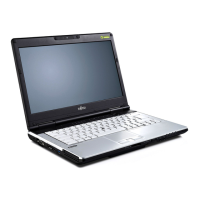
Fujitsu lifebook e736 - User Manual

Fujitsu lifebook e736
110 pages
Print Icon
To Next Page IconTo Next Page
Loading...
System
Operating Manual
FUJITSU LIFEBOOK E736
FUJITSU LIFEBOOK E746
FUJITSU LIFEBOOK E756

Table of Contents

Other manuals for Fujitsu lifebook e736

Questions and Answers

  • J
    Jody HillSep 3, 2025
    What does 'Previous boot incomplete - Default configuration used' mean on Fujitsu lifebook e736?
    • F
      francisvirginiaSep 3, 2025
      If you see the message 'Previous boot incomplete - Default configuration used' on your Fujitsu Laptop, it means that due to an error during the previous system boot, default values were used for certain settings. Press the F1 function key when prompted to do so.
  • M
    Michele TorresSep 2, 2025
    How to correct the date and time on a Fujitsu Laptop?
    • T
      Tammie MackSep 2, 2025
      You can set the date and time on your Fujitsu Laptop using the BIOS-Setup-Utility in the main menu.
  • K
    Kyle JacksonSep 1, 2025
    How to fix printer that doesn't print from Fujitsu Laptop?
    • D
      Danielle WelchSep 2, 2025
      If your printer is not printing from your Fujitsu Laptop, make sure that the printer is switched on and ready for operation. Check that the data cable connecting the notebook to the printer is properly connected. Ensure that the correct printer driver is loaded.
  • C
    Chelsea RobinsonAug 31, 2025
    Why is the LCD screen difficult to read on my Fujitsu lifebook e736 Laptop?
    • K
      Katherine WalkerAug 31, 2025
      If the LCD screen on your Fujitsu Laptop is difficult to read, it may be due to reflected glare. Try turning the notebook or adjusting the tilt of the LCD screen. Alternatively, increase the brightness of the screen.
  • S
    Steve MartinAug 30, 2025
    How to fix error messages on the Fujitsu lifebook e736 screen?
    • Y
      Yolanda JohnsonAug 31, 2025
      If you are receiving error messages on the screen of your Fujitsu Laptop, switch the notebook off, then switch it back on. If using an external keyboard, check its connection and reboot the notebook, ensuring no key is pressed during startup. Check the additional memory module is correctly inserted. If the error message persists, check the hard disk settings in the BIOS Setup. If testing the extended memory results in an error, check whether the additional memory module has been inserted correctly. If the settings of the hard disk drive are incorrect, start the BIOS Setup (Primary Master submenu) and select the correct settings. Also, make sure that the operating system is installed on the corresponding drive.
  • S
    Sarah JonesAug 30, 2025
    What to do if Fujitsu lifebook e736 stops working?
    • C
      crystalramirezAug 30, 2025
      If your Fujitsu Laptop stops working, try these steps. If the notebook is in energy saving mode, exit that mode. If an application program has caused the malfunction, close the program or restart the notebook. If the battery is dead, charge it or insert a charged battery. You can also connect the AC adapter to the notebook.
  • D
    Debra RangelAug 29, 2025
    What to do if Operating system not found on Fujitsu lifebook e736 Laptop?
    • T
      tparkerAug 29, 2025
      If your Fujitsu Laptop displays the message 'Operating system not found', check in the BIOS Setup whether your hard disk has been set correctly and ensure that the operating system is installed on the corresponding drive.
  • S
    Shannon SmithAug 28, 2025
    What to do if Fujitsu lifebook e736 Laptop LCD screen remains blank?
    • M
      Michael HernandezAug 28, 2025
      If your Fujitsu Laptop screen remains blank, try pressing a key or touching the touchpad. If you have an external monitor or television connected, press the key combination to switch the screen output.
  • B
    Blake JordanAug 27, 2025
    What to do if the notebook’s LCD screen remains blank on Fujitsu lifebook e736 Laptop?
    • J
      John DyerAug 27, 2025
      If the LCD screen of your Fujitsu Laptop remains blank, press a key or touch the touchpad to see if the monitor is switched off. If you have an external monitor or television set connected, press the key combination to switch the screen output.
  • V
    vkingAug 26, 2025
    What to do if external monitor is blank or the image is unstable on Fujitsu lifebook e736?
    • C
      cardenasscottAug 26, 2025
      If the external monitor is blank or the image is unstable on your Fujitsu Laptop, terminate the application program in Windows by pressing Alt + F4. Set the screen resolution as described in the documentation for your operating system. Select monitor 1 or 2 as described in the documentation for your operating system.

Summary

Declarations of Conformity

FCC Declaration

Details FCC compliance for the Fujitsu LIFEBOOK E736, E746, and E756 models.

Fujitsu Contact Information

Service and Support

Information on how to contact Fujitsu for service and support, including phone and website.

Notational Conventions

Symbols and Text Styles

Explains warning symbols, information symbols, and text styles used in the manual.

Ports and Controls

LIFEBOOK Model Views

Diagrams and labels for port and control views across LIFEBOOK models.

Important Notes

Safety and Handling Precautions

Essential safety information, handling guidelines, and precautions for notebook operation.

First-time Setup of Your Device

AC Adapter Connecting

Instructions on how to connect the AC adapter to the notebook and power outlet.

Working with the Notebook

Status Indicators

Explanation of the various status indicators on the notebook for power, drives, and keyboard functions.

Keyboard

Key Descriptions

Details the functions of various keys, including Backspace and Tab keys.

Virtual Numeric Keypad

Layout and Usage

Illustrates the layout of the virtual numeric keypad and how to use it with Num Lock.

Key Combinations

Common Fn Key Combinations

Lists common Fn key combinations for controlling backlight, speakers, and touchpad.

Touchpad and Touchpad Buttons

Pointer Movement and Item Selection

Instructions on moving the mouse pointer and selecting items using the touchpad.

LCD Screen

Background Lighting and Brightness

Information about the LCD backlight and how to adjust brightness.

Webcam

Usage and Features

Details on how to use the integrated webcam for pictures, video, and web chats.

Rechargeable Battery

Charging, Caring for, and Maintaining the Battery

Guidelines for charging, storing, and maintaining the notebook's battery for optimal life.

Modular Bay Devices

Types and Usage

Lists available modular bay devices and provides guidelines for their use and hot-swapping.

Optical Drive

Handling Optical Discs

Guidelines for safely handling and storing optical discs.

Inserting or Removing an Optical Disc

Manual Removal (Emergency)

Procedure for manually ejecting the optical disc drive tray in case of power failure.

Removing and Installing the Removeable Dust Filter

Cleaning the Dust Filter

Instructions for removing and cleaning the dust filter for optimal cooling.

Using the Power-Management Features

Power Saving Modes

How to utilize power-management features in Windows for energy efficiency.

SD Cards

Inserting and Removing SD Cards

Instructions for inserting and removing Secure Digital (SD) memory cards.

Speakers and Microphones

Placement and Volume Control

Information on speaker/microphone placement and volume control via key combinations.

Wireless LAN;Bluetooth Radio Components

Switching Wireless Components On;Off

Procedure for enabling or disabling wireless LAN and Bluetooth using the WirelessSelector.

Ethernet and LAN

Connecting to a Local Network

Instructions for connecting the notebook to a local area network using the LAN port.

Your Port Replicator (Optional)

Ports on the Port Replicator

Diagram identifying all ports and connectors on the Fujitsu Port Replicator.

Multi Monitoring

Possible Monitor Combinations

Table showing supported monitor configurations with LIFEBOOK and Port Replicator ports.

Connecting the Notebook to the Port Replicator

Docking Procedure

Step-by-step guide on how to connect the notebook to the Port Replicator.

Connecting the AC Adapter to the Port Replicator

Switching on the Notebook via the Port Replicator

Disconnecting the Notebook from the Port Replicator

Undocking Procedure

Instructions for safely disconnecting the notebook from the Port Replicator.

Security Functions

Configuring Password Protection in BIOS Setup Utility

Instructions for setting up supervisor and user HDD passwords in the BIOS for data security.

Removing Passwords

Steps to Remove BIOS Passwords

Procedure to remove supervisor and user HDD passwords from the BIOS Setup Utility.

Password Protection for Booting of the Operating System

Activating and Deactivating System Protection

How to enable or disable password protection for the operating system boot process.

Trusted Platform Module (TPM) (Device-Dependent)

Enabling and Disabling TPM

Instructions for activating and deactivating the Trusted Platform Module (TPM) via BIOS Setup.

SmartCard Reader

Inserting the SmartCard

Instructions on how to correctly insert a SmartCard into the reader.

Connecting External Devices

Connecting an External Monitor

Details on connecting analogue VGA, digital DisplayPort, and DVI-D monitor ports.

HDMI Port

Connecting to HDMI Devices

Instructions for connecting the notebook's HDMI port to external devices like TVs or amplifiers.

Connecting USB Devices

USB Device Connection and Drivers

Information on connecting USB devices, data transfer rates, and automatic driver installation.

USB Port with Charging Function (Anytime USB Charge)

Using the Anytime USB Charge Feature

Details on using the USB port for charging devices, including power supply recommendations.

How to Remove USB Devices Correctly

Safe Removal Procedure

Steps for safely removing USB devices to prevent data loss.

Connecting External Audio Devices

Microphone Port;Line In

Instructions for connecting external microphones or audio input devices.

Removing and Installing Components During Servicing

Notes on Installing and Removing Boards and Components

Important notes and precautions regarding static discharge (ESD) and handling components.

Removing and Installing the Memory Expansion

Memory Module Installation Guidelines

Guidelines for installing memory expansion modules, including warnings about heat and static electricity.

Removing the Hard Disk

Steps for Hard Disk Removal

Detailed steps for safely removing the hard disk drive from its compartment.

Installing the Hard Disk

Steps for Hard Disk Installation

Detailed steps for safely installing the hard disk drive into its compartment.

Settings in BIOS Setup Utility

Starting the BIOS Setup Utility

Procedure for accessing and starting the BIOS Setup Utility.

Exiting BIOS Setup Utility

Save Changes and Exit Option

Option to save changes and exit the BIOS Setup Utility.

Troubleshooting and Tips

Help if Problems Occur

Guidance on what to do when encountering unresolved computer problems.

Troubleshooting Common Issues

LCD Screen Display Problems

Troubleshooting steps for blank or difficult-to-read LCD screen issues.

External Monitor Issues

External Monitor Image Unstable

Troubleshooting steps for when the external monitor image is blank or unstable.

Notebook and Printer Operational Issues

Notebook Not Starting

Troubleshooting steps for when the notebook fails to power on or start.

Connectivity and SmartCard Issues

Wireless Network Connection Problems

Troubleshooting steps for issues with wireless network connectivity.

Error Messages on the Screen

BIOS Error Messages

Explanation and resolution for common BIOS error messages encountered during startup.

Technical Data

LIFEBOOK Specifications

Technical specifications for LIFEBOOK E736, E746, and E756 models, including dimensions.

Manufacturer’s Notes

Disposal and Recycling Information

Information on proper disposal and recycling of the notebook and its battery.

Regulatory Notices

FCC Notices

Information regarding FCC regulations, including notices to users of radios and televisions.

UL Notice

Important Safety Instructions

Crucial safety instructions for operating the notebook and its AC adapter.

FCC Regulatory Information

FCC Interference Statement

Details on FCC compliance limits for Class B digital devices and potential interference.

ENERGY STAR Compliance

Energy Saving Benefits

Information on the benefits of ENERGY STAR compliance for energy efficiency and environmental protection.

Appendix

Wireless LAN Device Information

Guidelines for using the optional Wireless LAN device, including characteristics and modes.

Image Backup and Recovery Procedures

Windows 7 Procedures

Instructions for creating DVD copies of Recovery Image and Bootable Disc for Windows 7.

Recover Your System When the Hard Drive is Not Bootable

Restore the Recovery Image for Full Hard Disk

Steps to restore the recovery image for a full hard disk recovery on Windows 7.

Windows 10 Procedures

Recovery Options in Windows 10

Table outlining recovery options like System Restore, Reset PC, and Reinstall Windows.

Create a Recovery Drive

Steps to Create a Windows 10 Recovery Drive

Detailed steps for creating a recovery drive using a USB flash drive in Windows 10.

Reset Your PC

Options for Resetting the PC

Details on 'Keep my files' and 'Remove everything' options for resetting Windows 10.

Downloading Driver Updates

Using Fujitsu Software Download Manager (FSDM)

Instructions on how to use FSDM to download the latest drivers and utilities for the system.

Fujitsu lifebook e736 Specifications

General IconGeneral
Bus typeOPI
SteppingD1
Tjunction100 °C
Processor cache4 MB
Processor cores2
Processor modeli7-6500U
System bus rate4 GT/s
Processor familyIntel® Core™ i7
Processor seriesIntel Core i7-6500 Mobile series
Processor socketLGA 1356 (Socket B2)
Processor threads4
Processor codenameSkylake
Configurable TDP-up25 W
Processor frequency2.5 GHz
Processor cache typeSmart Cache
Configurable TDP-down7.5 W
Processor lithography14 nm
Processor manufacturerIntel
Processor front side bus- MHz
PCI Express slots version3.0
Processor boost frequency3.1 GHz
Processor operating modes64-bit
ECC supported by processorNo
PCI Express configurations1x4, 4x1
Thermal Design Power (TDP)15 W
Configurable TDP-up frequency2.6 GHz
Configurable TDP-down frequency0.8 GHz
Maximum number of PCI Express lanes12
On-board graphics cardYes
On-board graphics card ID1916
Discrete graphics card modelNot available
On-board graphics card modelIntel® HD Graphics 520
Maximum on-board graphics card memory1.74 GB
On-board graphics card OpenGL version4.4
On-board graphics card base frequency300 MHz
On-board graphics card DirectX version12.0
On-board graphics card dynamic frequency (max)1050 MHz
Form factorClamshell
Product typeLaptop
Product colorGray
Memory slots2x SO-DIMM
Internal memory8 GB
Memory clock speed2133 MHz
Memory form factorSO-DIMM
Internal memory typeDDR4-SDRAM
Maximum internal memory32 GB
SSD capacityThe Solid State Drive's storage capacity in Gigabytes.
SSD interfaceSATA III
Storage mediaSSD
SSD form factor2.5\
Total storage capacity512 GB
Compatible memory cardsSD, SDHC, SDXC
Number of SSDs installed1
Display surfaceMatt
Display diagonal13.3 \
Display brightness330 cd/m²
Contrast ratio (typical)1000:1
Audio chipRealtek ALC255
Front camera resolution (numeric)2 MP
4G standardLTE
3G standardsHSPA+, UMTS
Wi-Fi standardsWi-Fi 5 (802.11ac)
Bluetooth version4.1
Ethernet LAN data rates10, 100, 1000 Mbit/s
Mobile network generation4G
Charging port typeDC-in jack
USB 2.0 ports quantity0
USB 3.2 Gen 1 (3.1 Gen 1) Type-A ports quantity3
Pointing deviceTouchpad
Keyboard number of keys85
Battery capacity6700 mAh
Battery life (max)14 h
Battery recharge time3 h
Number of battery cells6
AC adapter power65 W
AC adapter frequency50 - 60 Hz
AC adapter input voltage100 - 240 V
AC adapter output current3.42 A
AC adapter output voltage19 V
Cable lock slot typeKensington
Password protection typeBIOS, HDD, Supervisor, User
Operating temperature (T-T)5 - 35 °C
Operating relative humidity (H-H)20 - 80 %
Sustainability certificatesRoHS, EPEAT Gold, ENERGY STAR
CertificationCE, CB, WEEE, Microsoft Operating Systems (HCT / HCL entry / WHQL)
Processor codeSR2EZ
Processor ARK ID88194
Processor package size42 X 24 mm
Supported instruction setsSSE4.1, SSE4.2, AVX 2.0
Intel Secure Key Technology version1.00
Intel Stable Image Platform Program (SIPP) version0.00
Weight and Dimensions IconWeight and Dimensions
Depth228 mm
Width321 mm
Weight1600 g
Height (rear)27 mm
Height (front)20 mm

Related product manuals