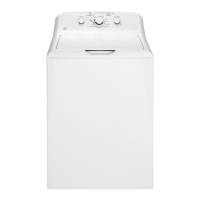
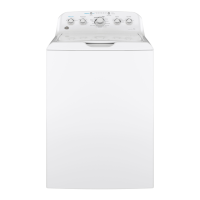
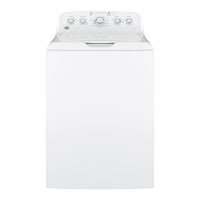
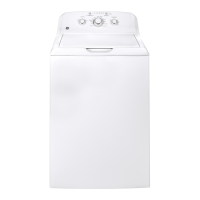
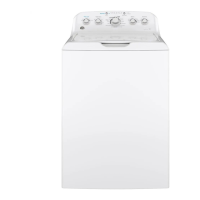
This document outlines the operation, maintenance, and installation of GE Appliances Washers. It serves as both an Owner's Manual and Installation Instructions, providing comprehensive guidance for users.
Function Description
GE Appliances Washers are designed for household laundry, offering a range of cycles and options to effectively clean various types of fabrics and soil levels. The core function involves agitating clothes in water with detergent, rinsing them, and then spinning out excess water. The washers incorporate high-efficiency (HE) washing systems, which use less water than traditional washers while still providing effective cleaning.
Usage Features
The washers feature a user-friendly control panel with a cycle selector knob and various option buttons.
- Start/Pause: Initiates or pauses a wash cycle. The lid must be closed for the cycle to start, and the Lid Locked light will illuminate. Pressing Pause unlocks the lid (if locked) and blinks the Pause indicator. To resume, press Start again. Cycles paused for more than 24 hours will be cancelled.
- Cycle Status Lights: Indicate the current stage of the wash cycle: Fill, Soak, Wash, Rinse, or Spin. If an out-of-balance condition is detected, the Spin light will blink, and the washer will attempt to correct the imbalance.
- Settings: Allows selection of agitation intensity (Soil) and water temperature (Temp). Longer spin times are available to reduce dryer time and energy consumption.
- Load Size: Users can select between Small, Medium, Large, Super, or Precise Fill. Precise Fill automatically determines the optimal water level for the load, incorporating short spins and partial water fills during sensing. Manual load size selections are also available for specialty items or wet loads.
- Wash Cycles: A cycle selector knob allows users to choose from various wash cycles tailored to different fabric types and soil levels, including:
- Colors: For normal to heavily soiled cotton clothing.
- Dark Colors: For dark items, linens, and mixed loads, minimizing fading.
- Casuals: For casual clothes and lightly soiled office wear.
- Delicates: For lingerie and special care fabrics with light soil, using a gentle agitate profile.
- SaniFresh: For high cotton content and heat-resistant items like towels and sheets, designed to eliminate common bacteria, viruses, and germs using hot water.
- Active Wear: For medium to lightly soiled athletic wear and technical fabrics, with multi-stage wash periods to treat body soils and odors.
- Speed Wash: For small, lightly soiled loads that need to be cleaned quickly.
- Drain & Spin: To extract water from wet items or for rinsing with Deep Rinse.
- Jeans: For jeans with medium to light soil.
- Heavy Duty: For sturdy fabrics with heavy to medium soil.
- Bulky Items: For non-waterproof large coats, bedspreads, mattress covers, and similar bulky items, providing a Deep Fill/max fill water level.
- Towels/Sheets: Designed for washing towels or sheets with higher water levels and a soak period.
- Whites: Tailored to clean and brighten white household linens.
- Cycle Options:
- Deep Fill: Adds an incremental amount of water to the wash load. Holding the button for 3 seconds provides the deepest fill level.
- Auto Soak: Begins with brief agitation, soaks for a specified period, then proceeds with the rest of the cycle.
- 2nd Rinse: Recommended for heavily soiled clothes or when using extra detergent/bleach to remove additional residues.
- Extra Spin: Provides additional spin time to increase energy efficiency and reduce drying times.
- 2nd Rinse + Extra Spin: Combines both a second rinse and an extra spin.
- Deep Rinse: Provides a deep rinse, especially when using fabric softener.
- Stain PreTreat: Allows users to select specific stain types (Tomato, Dirt, Grass, Wine) for a patent-pending treatment method involving tailored water temperatures, concentrated cleaning, scrubbing, and an active soak.
- Detergent Dispenser: Liquid or powdered HE detergent should be added to the right side of the dispenser drawer. Single-dose laundry packets should be placed directly in the bottom of the wash basket.
- Liquid Fabric Softener Dispenser: Liquid fabric softener should be added to the left side of the dispenser drawer. It is automatically dispensed during the rinse cycle.
- Liquid Bleach Dispenser: Liquid chlorine bleach should be added to the front left corner dispenser.
- Pretreatment: Laundry pretreatments, such as Oxi products, should be placed directly in the bottom of the wash basket.
- Consumer Help Indicator (CHI): Provides visual cues (flashing lights) for common issues like out-of-balance loads (Spin light blinking), no water entering the washer (Fill light blinking), or lid lock issues (Lid Locked light flashing).
Maintenance Features
Regular maintenance ensures optimal performance and longevity of the washer.
- Exterior Cleaning: Immediately wipe off any spills with a damp cloth.
- Interior Cleaning: Leave the lid open after washing to allow moisture to evaporate. Clean the basket with a soft cloth dampened with liquid detergent, then rinse. Avoid harsh or gritty cleaners.
- Fabric Softener Dispenser Cleaning: The dispenser can be removed from the agitator and separated for cleaning. Soak the dispenser cup and cover in a solution of warm water, heavy-duty liquid detergent, and bleach. Loosen buildup with a soft cloth if necessary, then rinse and reassemble.
- Water Supply Hoses: Hoses connecting the washer to the faucet should be replaced every 5 years to prevent leaks and water damage.
- Moving and Storage: If moving or storing the washer, ask a service technician to remove water from the drain pump and hoses. Do not store the washer where it will be exposed to freezing temperatures.
- Long Vacations: Turn off water faucets to minimize leakage. Drain all water from hoses and the water filter pump area if freezing temperatures are expected.
The manual also includes a comprehensive troubleshooting guide to help users diagnose and resolve common issues related to water, operation, performance, and sounds, reducing the need for service calls.

 Need help?
 General

 To Next Page