EasyManua.ls Logo

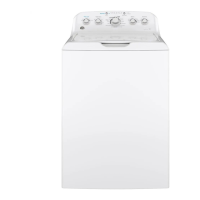
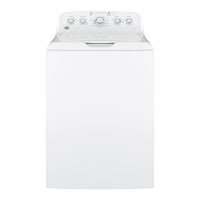
GE GTW460 - User Manual

GE GTW460
56 pages
Print Icon
To Next Page IconTo Next Page
Loading...
WASHERS
SAFETY INSTRUCTIONS ..........3
USING THE WASHER
Getting Started ...................... 5
Loading .............................15
Appliance Communication .............16
CARE AND CLEANING ............17
INSTALLATION
INSTRUCTIONS
.....................18
TROUBLESHOOTING TIPS ......23
LIMITED WARRANTY ............27
CONSUMER SUPPORT .......... 28
OWNER’S MANUAL &
INSTALLATION
INSTRUCTIONS
Write the model and serial
numbers here:
Model # _________________
Serial # _________________
You can find them under the
lid of the washer.
ENGLISH/ESPAÑOL
GE is a trademark of the General Electric Company. Manufactured under trademark license.
GTW540
GTW525
GTW500
GTW490
GTW485
GTW480
GTW465
GTW460
GTW340
GTW335
GTW330
GTW220
HTW240
HTW200
49-3000255 Rev 2 08-21 GEA
G033

Other manuals for GE GTW460

Questions and Answers

  • P
    patricia15Sep 12, 2025
    Why is water siphoning out of my GE GTW460 Washer?
    • K
      kyle90Sep 12, 2025
      Water siphoning out of your GE Washer can occur if the drain standpipe is too low or the hose is inserted too far into the standpipe. The drain hose must exceed 30” in height at some point between the washer back and the drain pipe. Use an anti-siphon clip; refer to the Installation Instructions for guidance.
  • G
    Gina CohenAug 25, 2025
    Why won't my GE GTW460 operate?
    • M
      Mr. Zachary PottsAug 25, 2025
      If your GE Washer won’t operate, several factors could be the cause. First, ensure the washer is securely plugged into a working outlet. Check that both hot and cold water faucets are fully turned on. Make sure the lid is closed and press Start, as a safety feature prevents operation when the lid is open. Inspect your house circuit breakers or fuses and replace any blown fuses or reset tripped breakers. Try resetting the electronics by unplugging the washer, waiting two minutes, plugging it back in, and pressing Start. Finally, ensure you have pressed the Start button.
  • A
    Aaron MckayAug 25, 2025
    Why are clothes too wet after washing in my GE Washer?
    • A
      April BullockAug 26, 2025
      If your clothes are too wet after washing in your GE Washer, ensure that the selected cycle matches the load type. Some fabrics may feel wetter when rinsed with cold water. If the wash load is out of balance, redistribute the load and run it through a Drain & Spin cycle.
  • J
    josephwareSep 23, 2025
    What to do if water is siphoning out of my GE GTW460?
    • A
      avilaashleySep 23, 2025
      If water is siphoning out of your GE washer, the drain hose must exceed 30” height at some point between the washer back and the drain pipe. Use an anti-siphon clip and refer to the Installation Instructions for proper setup.
  • S
    Sara NashSep 12, 2025
    Why is my GE GTW460 Washer rocking or moving?
    • Q
      qhayesSep 12, 2025
      If your GE Washer is rocking or moving, it's likely due to uneven leveling legs. Adjust the leveling legs by rotating each leg in the appropriate direction until the washer is stable.
  • C
    christopher14Sep 18, 2025
    Why are detergent packets not dissolving in my GE GTW460 Washer?
    • P
      Pamela BensonSep 18, 2025
      Laundry detergent packets should not be used in the dispensers of your GE washer. They should be added directly to the wash basket following the manufacturer’s directions.
  • C
    Calvin StanleySep 5, 2025
    Why are there snags, holes, tears, rips or excessive wear on my clothes after washing in my GE GTW460 Washer?
    • A
      Anthony SpencerSep 5, 2025
      Snags, holes, tears, rips, or excessive wear on clothes after washing in your GE washer can occur due to: * Pins, snaps, hooks, sharp buttons, belt buckles, zippers, and sharp objects left in pockets. Fasten snaps, hooks, buttons, and zippers. Remove loose items like pins, objects in pockets, and sharp buttons. Turn knits (which snag easily) inside out. * Undiluted chlorine bleach. Check the bleach package instructions for the proper amount and never add undiluted bleach to the wash or allow clothes to come into contact with undiluted bleach. * Chemicals like hair bleach or dye, or permanent wave solution. Rinse items that may have chemicals on them before washing and use the Speed Wash cycle with the Extra Rinse option (on some models).
  • N
    Nathaniel JonesSep 6, 2025
    Why is the water temperature incorrect in my GE Washer?
    • C
      Cathy AguilarSep 6, 2025
      If the water temperature in your GE Washer seems incorrect, first ensure that both hot and cold water faucets are fully turned on and that the hoses are connected to the correct faucets, noting the “H” and “C” markings on the water valves. Check the water valve screens for blockage by turning off the water source, disconnecting the hoses, cleaning the screens with a brush or toothpick, reconnecting the hoses, and turning the water back on, ensuring no leaks. Finally, verify that your house water heater is set to deliver water between 120°F and 140°F (48°C–60°C).
  • S
    scott15Sep 18, 2025
    Why does my GE Washer cause snags, holes, or tears in my clothes?
    • K
      karen60Sep 18, 2025
      Snags, holes, or tears in clothes washed in your GE washer can be caused by several factors. Fasten snaps, hooks, buttons, and zippers before washing. Remove loose items like pins, objects from pockets, and sharp buttons. Turn knits inside out to prevent snagging. Check bleach package instructions for proper amount. Never add undiluted bleach to wash or allow clothes to come in contact with undiluted bleach. Rinse items that may have chemicals on them before washing. Use Speed Wash cycle with Extra Rinse option, if available.
  • R
    rwestAug 30, 2025
    How to reduce suds in my GE GTW460 Washer?
    • R
      Rachel MaldonadoAug 30, 2025
      To reduce excessive suds in your GE Washer, consider the following: If you have soft water, use less detergent. Measure your detergent carefully, and if the load is lightly soiled, reduce the amount of soap. Also, consider switching to a High Efficiency detergent.

Summary

Safety Instructions

Important Safety Information

General safety warnings and precautions for appliance operation.

Installation and Operational Guidelines

Covers proper installation, startup, auto drain, and usage when not in use.

Parts and Accessories Ordering

Details on ordering replacement parts and accessories.

Using the Washer

Control Panel Overview

Diagram and explanation of the washer's control panel features and settings.

Automatic Load Sensing

Explanation of how the washer automatically senses load size and adjusts water.

Fabric Care and Dispenser Use

Instructions for using fabric softener dispenser, liquid bleach, and pretreatment.

Wash Cycle Guide

Matching laundry items to the best wash cycles, temperatures, and soil levels.

Cycle Options Explained

Details on Stain PreTreat, Deep Fill, Auto Soak, and rinse/spin options.

Consumer Help Indicator

Explanation of indicator lights for common troubleshooting situations.

Loading and Detergent Use

Guidelines for sorting loads, using detergent, and loading the washer.

Appliance Communication Features

Information on WiFi Connect compatibility and setup for remote monitoring.

Installation Instructions

Pre-Installation Requirements

Tools, parts needed, and important notes before starting installation.

Washer Placement and Clearances

Guidelines for selecting a location and required installation clearances.

Water Supply and Drain Requirements

Specifications for water supply lines, pressure, temperature, and drain.

Unpacking and Base Removal

Steps for unpacking the washer and removing the shipping base.

Connecting Hoses

Instructions for connecting drain and water hoses to the washer and home connections.

Drain Hose Connection Details

Ensuring proper drain hose connection to standpipe or wall drain.

Electrical Requirements and Grounding

Proper electrical connections and grounding instructions for safety.

Final Installation Checklist

Steps to verify before starting the washer for the first time.

Troubleshooting Tips

Common Operational Issues

Addresses common problems like water level, flow, leaks, and temperature.

Cycle and Performance Issues

Troubleshooting for cycle pauses, detergent issues, and basket movement.

Fabric Care and Wear Issues

Resolving lint, pilling, snags, holes, tears, and wrinkling problems.

Understanding Washer Sounds

Explains common washer noises like clicking, humming, and gurgling.

Limited Warranty

Warranty Coverage Details

Explains the limited warranty period, what is covered, and exclusions.

Exclusions and Legal Rights

Lists items not covered and explains consumer legal rights and limitations.

Consumer Support

Online Resources and Registration

Information on GE Appliances website, product registration, and extended warranties.

Service and Contact Information

How to schedule service, order parts, and contact customer support.

GE GTW460 Specifications

General IconGeneral
BrandGE
ModelGTW460
Appliance CategoryWasher
Washer TypeTop Load
ColorWhite
Number of Wash Cycles12
Spin Speed700 RPM
Energy Star CertifiedYes
Width27 in
Voltage120 V
Frequency60 Hz
Wash CyclesNormal, Delicates, Heavy Duty, Bulky Items, Quick Wash, Rinse & Spin, Colors, Jeans, Towels, Whites
Height44 in

Related product manuals