EasyManua.ls Logo

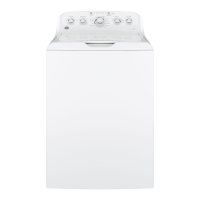
GE GTW460 - User Manual

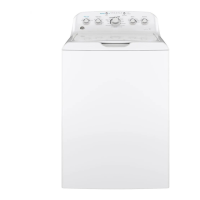
GE GTW460
56 pages
Print Icon
To Next Page IconTo Next Page
Loading...
WASHERS
SAFETY INSTRUCTIONS ..........3
USING THE WASHER
Getting Started ...................... 5
Loading .............................15
Appliance Communication .............16
CARE AND CLEANING ............17
INSTALLATION
INSTRUCTIONS
.....................18
TROUBLESHOOTING TIPS ......23
LIMITED WARRANTY ............27
CONSUMER SUPPORT .......... 28
OWNER’S MANUAL &
INSTALLATION
INSTRUCTIONS
Write the model and serial
numbers here:
Model # _________________
Serial # _________________
You can find them under the
lid of the washer.
ENGLISH/ESPAÑOL
GE is a trademark of the General Electric Company. Manufactured under trademark license.
GTW540
GTW525
GTW500
GTW490
GTW485
GTW480
GTW465
GTW460
GTW340
GTW335
GTW330
GTW220
HTW240
HTW200
49-3000255 Rev 2 08-21 GEA
G033

Other manuals for GE GTW460

Questions and Answers

  • M
    muellerhollyAug 23, 2025
    What to do if my GE GTW460 is leaking water?
    • C
      Christina MccarthyAug 23, 2025
      If your GE Washer is leaking water, there are several potential causes. First, ensure you are using the correct amount of High Efficiency detergent. Using too much detergent, especially in soft water, can cause leaks. Also, check that the fill and drain hoses are tightly connected to the faucets and the drain facility, and that rubber washers are properly installed. A clogged household drain could also be the culprit, potentially requiring a plumber. Ensure the drain hose isn't rubbing against the wall, which can cause wear. Finally, ensure the hoses are tightened at the faucets and inspect the fill hoses for damage; replace them every 5 years.
  • M
    Matthew WilliamsSep 1, 2025
    What to do if there is low water flow in my GE Washer?
    • M
      Michelle Hernandez DVMSep 1, 2025
      If you're experiencing low water flow in your GE Washer, the water valve screens might be clogged. Turn off the water supply and disconnect the hoses from the back of the washer and the faucets. Clean the hose screens and the screens in the machine using a brush or toothpick. Reconnect the hoses, turn the water back on, and check for leaks.
  • L
    Latoya BruceSep 1, 2025
    Why does the water level seem low in my GE GTW460?
    • P
      Patricia PattersonSep 1, 2025
      If the water level seems low in your GE Washer, it's likely normal. This high-efficiency washer is designed so that water may not cover the top level of the clothes.
  • A
    Anna AndersonSep 2, 2025
    How to deal with a small amount of water remaining in the dispenser of GE Washer?
    • R
      Robert JacksonSep 2, 2025
      It is normal for a small amount of water to remain in the dispenser of your GE Washer after the cycle.
  • D
    Dennis MorenoSep 3, 2025
    Why is there lint or residue on my clothes after washing in my GE GTW460?
    • R
      roy90Sep 3, 2025
      If you're finding lint or residue on your clothes after washing in your GE washer, several factors could be at play. If you air dry your clothes, they may retain more lint. Ensure you're separating lint producers from lint collectors during washing. Avoid washing loads for too long; use the Light Soil setting for smaller loads and consider using a liquid detergent with warmer water to help detergents dissolve better. Overloading the washer can also cause this issue, so load clothes loosely around the outside of the basket. Finally, check the fabric softener package for instructions, ensure correct usage, and select the Deep Rinse option if available.
  • J
    Jasmine SmithSep 4, 2025
    Why are my clothes too wet after washing in my GE Washer?
    • C
      castilloglennSep 4, 2025
      If your clothes are too wet after washing in your GE washer, it could be due to selecting the wrong cycle for the load you're washing. Also, some fabrics might feel wetter when rinsed with cold water. If the wash load is out of balance, redistribute it and run the Drain & Spin cycle.
  • H
    Heidi MendozaSep 4, 2025
    Why are there colored spots on my clothes after washing in my GE GTW460?
    • M
      Mrs. Lori HornSep 4, 2025
      Colored spots on clothes after washing in your GE washer can be due to incorrect use of fabric softener or dye transfer. Check the fabric softener package for instructions, follow directions for using the dispenser, and ensure you've selected the Deep Rinse option, if available. Sort whites or lightly colored items separately from dark colors to prevent dye transfer.
  • C
    Calvin StanleySep 5, 2025
    Why are there snags, holes, tears, rips or excessive wear on my clothes after washing in my GE GTW460 Washer?
    • A
      Anthony SpencerSep 5, 2025
      Snags, holes, tears, rips, or excessive wear on clothes after washing in your GE washer can occur due to: * Pins, snaps, hooks, sharp buttons, belt buckles, zippers, and sharp objects left in pockets. Fasten snaps, hooks, buttons, and zippers. Remove loose items like pins, objects in pockets, and sharp buttons. Turn knits (which snag easily) inside out. * Undiluted chlorine bleach. Check the bleach package instructions for the proper amount and never add undiluted bleach to the wash or allow clothes to come into contact with undiluted bleach. * Chemicals like hair bleach or dye, or permanent wave solution. Rinse items that may have chemicals on them before washing and use the Speed Wash cycle with the Extra Rinse option (on some models).
  • N
    Nathaniel JonesSep 6, 2025
    Why is the water temperature incorrect in my GE Washer?
    • C
      Cathy AguilarSep 6, 2025
      If the water temperature in your GE Washer seems incorrect, first ensure that both hot and cold water faucets are fully turned on and that the hoses are connected to the correct faucets, noting the “H” and “C” markings on the water valves. Check the water valve screens for blockage by turning off the water source, disconnecting the hoses, cleaning the screens with a brush or toothpick, reconnecting the hoses, and turning the water back on, ensuring no leaks. Finally, verify that your house water heater is set to deliver water between 120°F and 140°F (48°C–60°C).
  • A
    Ann ArnoldSep 7, 2025
    Why are my clothes grayed or yellowed after washing in my GE GTW460?
    • S
      Susan SerranoSep 7, 2025
      If your clothes are grayed or yellowed after washing in your GE Washer, ensure you are following the detergent manufacturer’s directions for the amount to use. If you have hard water, use a water conditioner or install a water softener. Make sure your water heater is delivering water at 120°F–140°F (48°C–60°C). Avoid overloading the washer; loosely load clothes no higher than the top row of holes in the washer basket, loading items around the outside for best results. Sort clothes by color, especially if the fabric label indicates that unstable dyes may be present.

Summary

Safety Instructions

Important Safety Information

General safety warnings and precautions for appliance operation.

Installation and Operational Guidelines

Covers proper installation, startup, auto drain, and usage when not in use.

Parts and Accessories Ordering

Details on ordering replacement parts and accessories.

Using the Washer

Control Panel Overview

Diagram and explanation of the washer's control panel features and settings.

Automatic Load Sensing

Explanation of how the washer automatically senses load size and adjusts water.

Fabric Care and Dispenser Use

Instructions for using fabric softener dispenser, liquid bleach, and pretreatment.

Wash Cycle Guide

Matching laundry items to the best wash cycles, temperatures, and soil levels.

Cycle Options Explained

Details on Stain PreTreat, Deep Fill, Auto Soak, and rinse/spin options.

Consumer Help Indicator

Explanation of indicator lights for common troubleshooting situations.

Loading and Detergent Use

Guidelines for sorting loads, using detergent, and loading the washer.

Appliance Communication Features

Information on WiFi Connect compatibility and setup for remote monitoring.

Installation Instructions

Pre-Installation Requirements

Tools, parts needed, and important notes before starting installation.

Washer Placement and Clearances

Guidelines for selecting a location and required installation clearances.

Water Supply and Drain Requirements

Specifications for water supply lines, pressure, temperature, and drain.

Unpacking and Base Removal

Steps for unpacking the washer and removing the shipping base.

Connecting Hoses

Instructions for connecting drain and water hoses to the washer and home connections.

Drain Hose Connection Details

Ensuring proper drain hose connection to standpipe or wall drain.

Electrical Requirements and Grounding

Proper electrical connections and grounding instructions for safety.

Final Installation Checklist

Steps to verify before starting the washer for the first time.

Troubleshooting Tips

Common Operational Issues

Addresses common problems like water level, flow, leaks, and temperature.

Cycle and Performance Issues

Troubleshooting for cycle pauses, detergent issues, and basket movement.

Fabric Care and Wear Issues

Resolving lint, pilling, snags, holes, tears, and wrinkling problems.

Understanding Washer Sounds

Explains common washer noises like clicking, humming, and gurgling.

Limited Warranty

Warranty Coverage Details

Explains the limited warranty period, what is covered, and exclusions.

Exclusions and Legal Rights

Lists items not covered and explains consumer legal rights and limitations.

Consumer Support

Online Resources and Registration

Information on GE Appliances website, product registration, and extended warranties.

Service and Contact Information

How to schedule service, order parts, and contact customer support.

GE GTW460 Specifications

General IconGeneral
BrandGE
ModelGTW460
Appliance CategoryWasher
Washer TypeTop Load
ColorWhite
Number of Wash Cycles12
Spin Speed700 RPM
Energy Star CertifiedYes
Width27 in
Voltage120 V
Frequency60 Hz
Wash CyclesNormal, Delicates, Heavy Duty, Bulky Items, Quick Wash, Rinse & Spin, Colors, Jeans, Towels, Whites
Height44 in

Related product manuals