Vol. II-2-22 Harris Stratex Networks
Chapter 2. Eclipse Terminals
Alarm Outputs
Outputs are user configurable to be normally high or normally low. Default is normally
low (relay inactive). Additionally, a user can select on the Alarm I/O connector, a
normally closed or normally open contact pair.
For information on TTL input limits and relay output voltage and current maximums,
refer to Alarm I/O Port on page 2-6.
IDU ES Layout
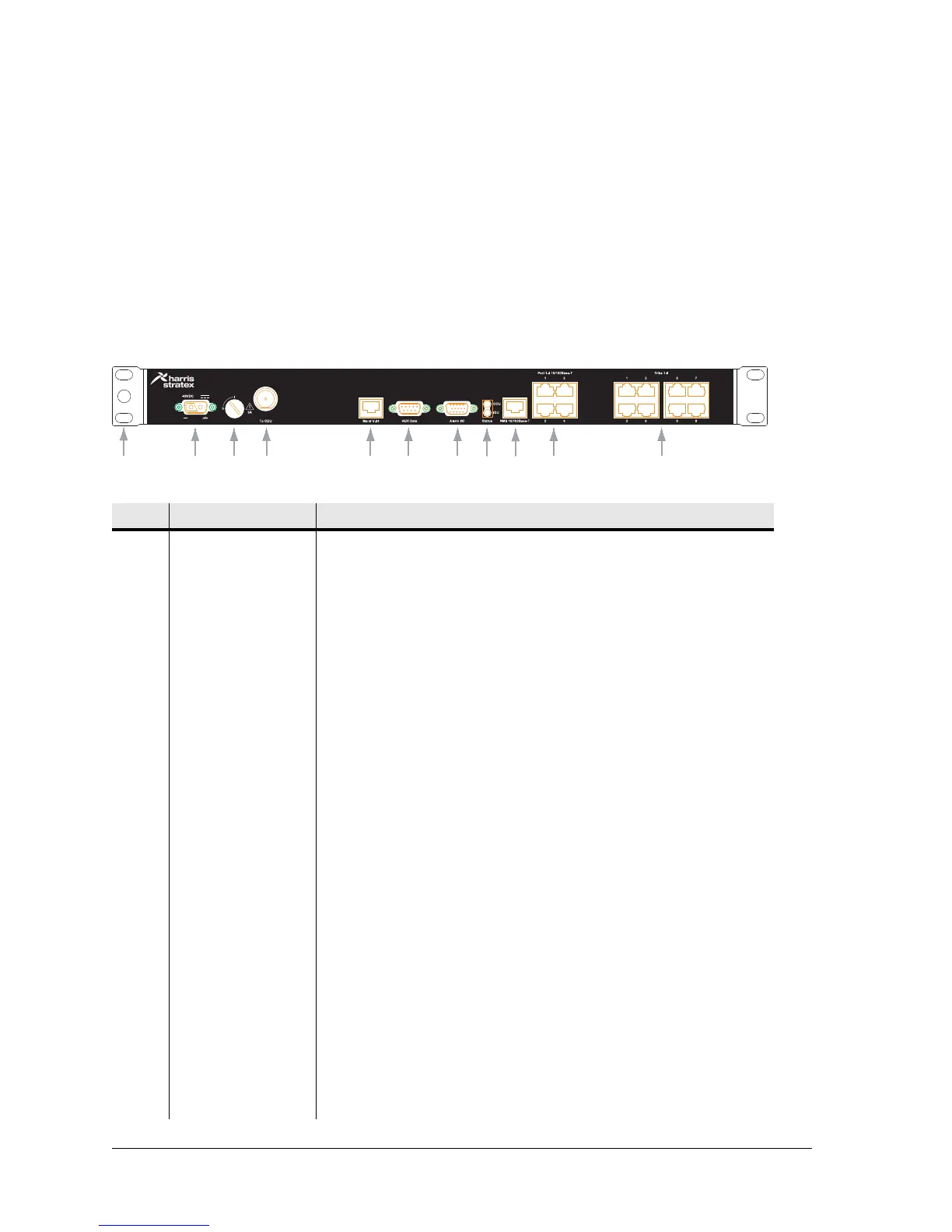
Figure 2-10 illustrates IDU ES front panel layout and interfaces.
Figure 2-10. IDU ES Front Panel Layout
No Item/Label Description
1 Rack Ear and
Grounding Stud
Rack attachment bracket for the IDU. One ear has a grounding
stud for IDU grounding. The ears can be fitted either side and
provide flush-with-rack-front mounting.
2 -48 Vdc 2-pin D-series 2W2C power connector. Includes screw
fasteners.
3 Fuse 5A time-lag fuse and power on/off switch. ON is when the fuse
head is in the vertical position; OFF is when the head is rotated
to the horizontal ‘0’ position.
4 To ODU Type N female connector for jumper cable connection to the
surge suppressor located at the cable entry point to the
building.
5 Maint V.24 RJ-45 connector provides a V.24 serial interface option for
Portal. It supports a default IP address, which means
knowledge of the Terminal IP address is not required at login.
6 Aux Data The DB-9 connector provides one synchronous or
asynchronous data service channel. Selection of synchronous
(64 kbps) or asynchronous (max 19.2 kbps) is via Portal.
7 Alarm I/O HD-15 connector provides access to two TTL alarm inputs and
four form C relay outputs. Connections are mapped in Portal.
8 ODU ODU Status LED provides indications of:
Off IDU power off
Green Normal operation
Orange flashing Configuration not supported, software/
hardware incompatible, or diagnostic mode
selected, such as Tx Mute.
Red Critical alarm (traffic affecting)



 To Next Page