EasyManua.ls Logo

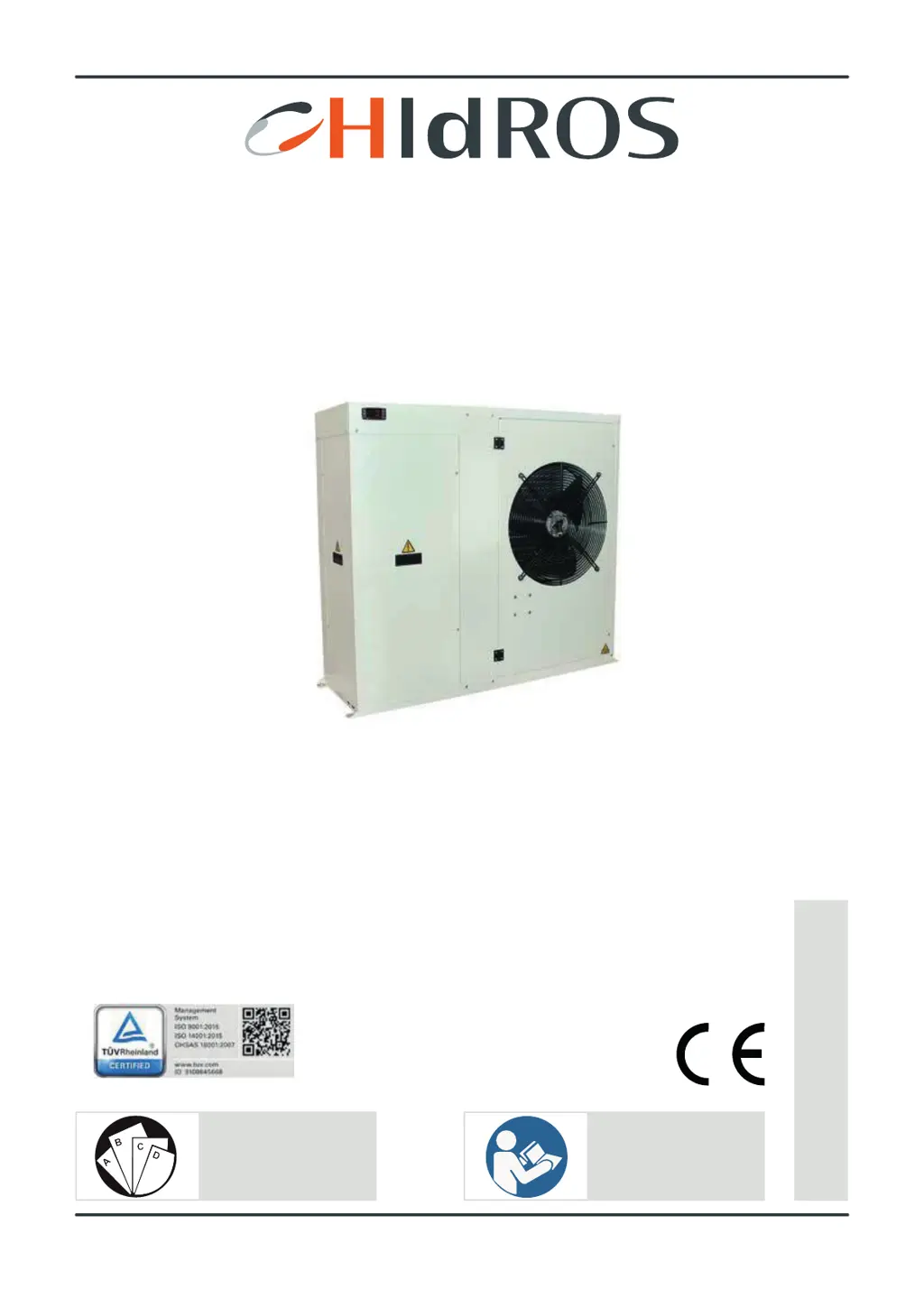
HIdRos 1LSA.014A-1A - User Manual

Default Icon
55 pages
Print Icon
To Next Page IconTo Next Page
Loading...
MTEC.3630.GB-A-1 Operation and maintenance manual LSA series English Rev. A 07-2018
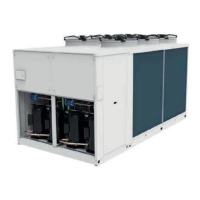
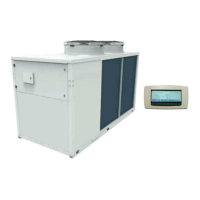
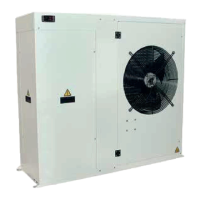
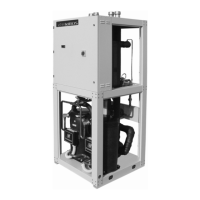
HIGH EFFICIENCY AIR TO WATER HEAT PUMPS
LSA/HP
SERIES
Multiple instructions:
&RQVXOWWKHVSHFL¿FSDUW
Read and understand
the instructions before
undertaking any work on
the unit
RETAIN FOR FUTURE REFERENCE
Incorporated in this document are the following:
• Declaration of conformity
• Technical manual
• Dimensional drawing
TECHNICAL MANUAL
Original instructions

Table of Contents

Questions and Answers

  • C
    Courtney MorenoAug 17, 2025
    What to do if high pressure switch alarm in HIdRos 1LSA.014A-1A Heat Pump?
    • S
      Sarah TorresAug 17, 2025
      The high pressure switch alarm in your HIdRos Heat Pump could be triggered by incorrect water flow in heating mode or incorrect airflow at the source fan. To resolve this, ensure the correct water flow in the circuit and restore the correct airflow at the source fan.
  • M
    Matthew TaylorAug 20, 2025
    What to do if error alarm in defrosting HIdRos 1LSA.014A-1A Heat Pump?
    • B
      bartonchristineAug 20, 2025
      An error alarm during defrosting in your HIdRos Heat Pump can occur due to several reasons: the defrost time being too long, the outside temperature being outside the working limits, or refrigerant charge leakage. To address this, check the defrost set point, restore normal working conditions, and find and repair any refrigerant leakage.
  • S
    Stacy RodgersAug 23, 2025
    What to do if overload source fan alarm in HIdRos 1LSA.014A-1A Heat Pump?
    • C
      Colin CastilloAug 23, 2025
      An overload source fan alarm in your HIdRos Heat Pump means the fan input current is outside operation limits. Check the operation of the source fan and replace it if necessary.
  • R
    Ryan SandersAug 26, 2025
    What to do if low pressure alarm in HIdRos Heat Pump?
    • S
      Samantha SawyerAug 26, 2025
      If your HIdRos Heat Pump displays a low pressure alarm, it indicates a refrigerant charge leakage. You should find the leakage and repair it.
  • C
    Craig HarrisonAug 28, 2025
    What to do if low pressure switch alarm in HIdRos 1LSA.014A-1A?
    • L
      Lisa LewisAug 28, 2025
      If your HIdRos Heat Pump displays a low pressure switch alarm, it indicates a refrigerant charge leakage. You should find the leakage and repair it.
  • A
    Angela SullivanAug 31, 2025
    What to do if source heat exchanger alarm in HIdRos Heat Pump?
    • F
      floydericaAug 31, 2025
      A source heat exchanger alarm in your HIdRos Heat Pump (air/water or water/water unit) is caused by air or dirt in the user hydraulic system. Carefully bleed the user hydraulic system, or check and clean the water service.
  • G
    Gabriela MyersSep 2, 2025
    What to do if high pressure alarm in HIdRos 1LSA.014A-1A?
    • M
      marvinvanceSep 3, 2025
      A high pressure alarm in your HIdRos Heat Pump is likely due to a transducer defect. Replace the faulty transducer to resolve this issue.
  • R
    Rachel WaltersSep 5, 2025
    What to do if EEPROM Alarm in HIdRos Heat Pump?
    • R
      Reginald RiversSep 5, 2025
      If you receive an EEPROM Alarm on your HIdRos Heat Pump, it indicates severe hardware damage in the microprocessor control system. Turn the unit off, wait a few seconds, and then turn it back on. If the alarm reappears, contact the service.
  • G
    Gary ReynoldsSep 8, 2025
    What to do if anti-freeze alarm from analog input in HIdRos 1LSA.014A-1A?
    • Y
      youngginaSep 8, 2025
      An anti-freeze alarm from analog input in your HIdRos Heat Pump is triggered by a water temperature that is too low. Check the user temperature set point to resolve this.
  • A
    Anthony HollowaySep 12, 2025
    What to do if alarm Sensor PB1 in HIdRos Heat Pump?
    • T
      Timothy DavisSep 12, 2025
      Alarm Sensor PB1 on your HIdRos Heat Pump can be caused by wrong electrical connections or a sensor defect. Check the electrical connection of the sensor to the terminal board. If the connection is correct, call the service to replace the sensor.

Summary

1. INTRODUCTION

1.6 Potential Risks

Details potential hazards associated with the unit and its components.

2. SAFETY

2.1 Warning re potentially hazardous toxic substances

Information on refrigerant and oil hazards.

2.2 Refrigerant handling

Guidelines for safe handling of refrigerants.

2.3 Prevent inhalation of high vapor concentration

Precautions against inhaling refrigerant vapor.

2.6 First Aid Measures

Emergency first aid procedures for refrigerant exposure.

3. TECHNICAL CHARACTERISTICS

3.4 Technical data

Comprehensive technical specifications and performance data.

3.5 Operational limits

Defines the operating limits for water and ambient temperatures.

4. INSTALLATION

4.1 General safety guidelines and and use of symbols

Safety rules and symbol explanations for installation.

4.2 Health and safety Considerations

Workplace safety and ventilation requirements.

4.3 Personal protective equipment

Lists required PPE for operating and maintaining the unit.

4.8 Location and minimum technical clearances

Specifies requirements for unit placement and surrounding space.

4.17 Filling the hydraulic circuit

Step-by-step guide to filling the hydraulic system.

4.19 Electric connections: preliminary safety information

Crucial safety instructions for electrical connections.

5. UNIT START UP

5.1 Preliminary checks

Essential checks before powering on the unit.

5.1.2 Safety device setting

Configuration of safety devices like thermostats and pressure switches.

5.1.4 Refrigerant charge checking

Methods for verifying the refrigerant charge.

5.2 Description of the control panel

Explanation of the unit's control panel interface and icons.

6. USE

6.4 How to change the set points

Guide to modifying heating and cooling set points.

6.7 Alarm reset

Procedure for resetting different types of alarms.

7. MAINTENANCE OF THE UNIT

7.1 General warnings

Important safety and regulatory warnings for maintenance.

7.3 Periodical checks

Schedule and procedures for routine unit checks.

9. DIAGNOSIS AND TROUBLESHOOTING

9.1 Fault finding

Guidance on identifying and resolving unit faults.

HIdRos 1LSA.014A-1A Specifications

General IconGeneral
BrandHIdRos
Model1LSA.014A-1A
CategoryHeat Pump
LanguageEnglish

Related product manuals