37
Motor
Manual
11 Disposal and environmental protection
11.1 Product disposal information
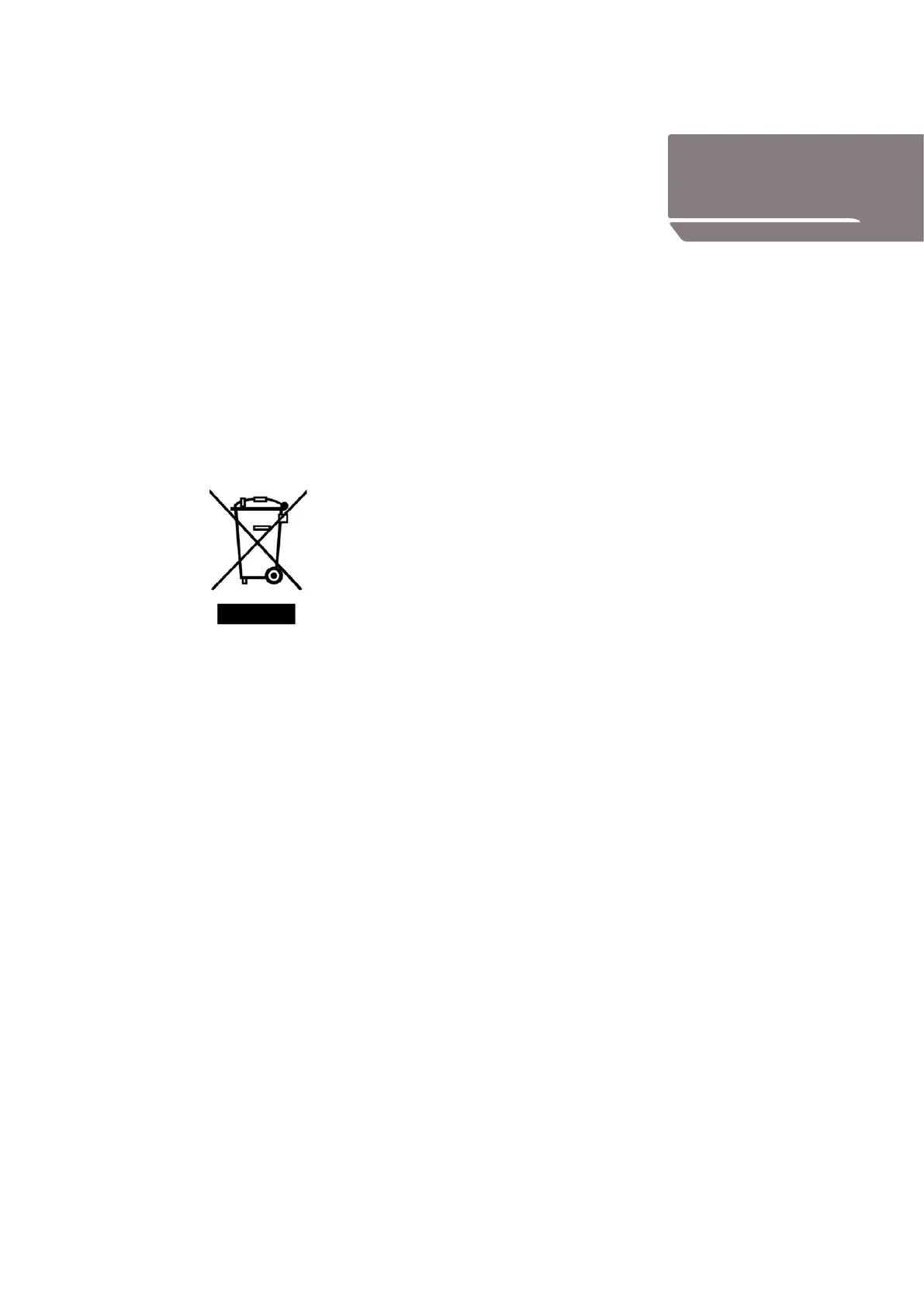
In accordance with Directive 2012/19/EU regarding waste
electrical and electronic equipment (WEEE), Hoyer mo-
tors are marked with the crossed-out wheeled bin symbol
shown in Figure 6.
The symbol can be found on the motor nameplate or on the
packaging and relevant documentation.
Figure 6 Symbol WEEE marking
The symbol indicates that electrical and electronic equip-
ment must not be disposed together with ordinary domes-
tic waste and must be treated as WEEE. Electrical and elec-
tronic equipment (EEE) contains materials, components and
substances that may be hazardous and can present a risk to
human health and the environment when waste electrical
and electronic equipment (WEEE) is not handled correctly.
More detailed information is available from the relevant lo-
cal authority.
11.2 RoHS and REACH
All motors from Hoyer Motors comply with the RoHS direc-
tive and the REACH regulation. Official documents can be
downloaded from the Hoyer Motors website
https://hoyermotors.com
11.3 Electric motors
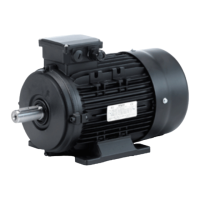
Electric motors are manufactured from ferrous metals
(steel, cast iron), non-ferrous metals (copper, aluminium)
and plastics. At the end of their service life, motors must
be disposed of according to international and local regula-
tions. Waste handling facilities must be licensed and must
comply with the environmental requirements of the mem-
ber states they are located in. Figure 2 shows the main com-
ponents of a three-phase motor. Table 1 lists the motor ma-
terials.
11.4 Packaging material
The packaging of motors from Hoyer Motors consists of
cardboard, plastic, steel and wood. These materials are re-
cyclable, and Hoyer recomments recycling them according
to the national regulations.



 To Next Page