EasyManua.ls Logo

Husqvarna K6500 Ring - User Manual

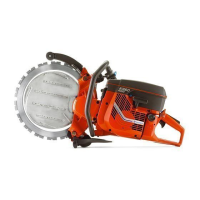
Husqvarna K6500 Ring
92 pages
Print Icon
To Next Page IconTo Next Page
Loading...
UU
UU
SS
SS
CC
CC
AA
AA
EE
EE
SS
SS
K6500 Ring
Oper
ator’s manual
Manuel d’utilisation
Manual de instrucciones
Please r
ead the operator’s manual carefully and make sure you understand the instructions before using the machine.
Lire attentivement et bien assimiler le manuel d’utilisation avant d’utiliser la machine.
Lea detenidamente el manual de instrucciones y asegúrese de entender su contenido antes de utilizar la máquina.

Table of Contents

Other manuals for Husqvarna K6500 Ring

Questions and Answers

  • E
    Eric SantosAug 18, 2025
    What to do if the Husqvarna Cutter blade does not rotate?
    • T
      Tanya MoraAug 19, 2025
      If the blade does not rotate, it might be due to several reasons. First, check if the roller knobs are fully tightened and tighten them if they are not. Second, ensure the blade is correctly fitted on the guide rollers. Finally, the rollers may be tensioned too much, so reduce the tension on them.
  • K
    Kelly NavarroAug 21, 2025
    Why is the Husqvarna K6500 Ring Cutter blade rotating too slowly?
    • P
      perezstephenAug 21, 2025
      If the blade rotates too slowly, there are several potential causes. Ensure the roller knobs are fully tightened. Additionally, the drive wheel might be worn and need replacement or repair. The V-shaped inner diameter of the blade could be worn, requiring blade replacement. Weakened springs on the guide rollers or defective roller bearings can also cause slow rotation; replace these parts as necessary.
  • C
    Cassandra GrayAug 23, 2025
    What to do if the Husqvarna K6500 Ring blade slips?
    • D
      davisjeremyAug 23, 2025
      If the blade slips, it could be due to several reasons. First, ensure the guide rollers move freely. Second, a worn drive wheel can cause slippage, so it should be replaced. Also, check for a worn guide roller flange and replace if necessary. Finally, if the blade’s groove and inner edge are worn, replace the blade.
  • J
    Jacqueline BeasleyAug 26, 2025
    What to do if Husqvarna K6500 Ring Cutter blade jumps out of its position?
    • J
      Jody ThorntonAug 26, 2025
      If the blade jumps out of position, it may be because the roller setting is too loose; adjust the roller setting. It could also be caused by worn guide rollers, which would need to be replaced. Ensure the blade is correctly fitted on the guide rollers. A damaged blade can also cause this issue, and it should be replaced.
  • K
    Kayla PhamAug 28, 2025
    Why does the Husqvarna K6500 Ring blade warp?
    • K
      Kelsey GeorgeAug 28, 2025
      Blade warping can occur if the rollers are tensioned too much; in this case, reduce the tension on the rollers. Another possible cause is blade overheating, so reduce blade overheating.
  • R
    Russell OconnellAug 30, 2025
    Why does the Husqvarna K6500 Ring Cutter blade cut too slowly?
    • S
      Sabrina WheelerAug 30, 2025
      If the blade cuts too slowly, it might be due to using the wrong blade for the material; use the correct blade for the material. Also, ensure that the right amount of water reaches the blade.
  • J
    Jennifer McgrathSep 1, 2025
    Why do segments break on my Husqvarna K6500 Ring Cutter blade?
    • C
      chavezanaSep 1, 2025
      Segments break because of a bent, twisted, or badly maintained blade. Ensure you maintain the blade properly.
  • E
    Emily GibbsSep 3, 2025
    Why is the blade rotating too slowly on my Husqvarna Cutter?
    • T
      Tyler HermanSep 4, 2025
      If the blade of your Husqvarna Cutter is rotating too slowly, several factors could be at play. Start by ensuring the roller knobs are fully tightened. If the problem persists, inspect the drive wheel for wear and replace if necessary. Also, check the blade itself for wear on the V-shaped inner diameter, and replace if needed. Weakened springs on the guide rollers or defective roller bearings can also cause slow rotation, so consider replacing these components as well.
  • K
    Kathryn MathisSep 6, 2025
    What to do if the blade jumps out of position on a Husqvarna K6500 Ring?
    • D
      David JohnsonSep 6, 2025
      If the blade on your Husqvarna Cutter jumps out of position, it could be due to a few reasons. First, check the roller setting and adjust if it's too loose. Worn guide rollers can also cause this issue, so consider replacing them. Ensure the blade is correctly fitted on the guide rollers. If the blade is damaged, it should be replaced.
  • G
    gutierrezfranciscoSep 8, 2025
    Why is the blade slipping on my Husqvarna K6500 Ring Cutter?
    • A
      Alexander MorrisSep 8, 2025
      If the blade on your Husqvarna Cutter is slipping, it could be due to several reasons. Ensure the guide rollers move freely. A worn drive wheel can also cause slipping, so replace it if necessary. Additionally, check for a worn guide roller flange and replace if needed. Finally, inspect the blade for wear on the groove and inner edge; if worn, replace the blade.

Summary

Key to Symbols

Symbols on the machine

Details symbols used in the North American version of the manual.

Explanation of warning levels

Details the three levels of warnings used in the manual.

Presentation

Dear Customer

A welcome message to the customer from Husqvarna.

Design and Features

Highlights the product's design, performance, and innovative technology.

K6500 Ring

Details the unique features and capabilities of the K6500 Ring model.

Owner Responsibility

Outlines the owner's responsibility for ensuring safe operation and maintenance.

Manufacturers Reservation

States Husqvarna's policy on product development and modification.

What is What?

What is What on the Power Cutter - K6500 Ring?

Identifies and labels all parts of the K6500 Ring power cutter.

Machines Safety Equipment

General Safety Equipment

General safety precautions and checks for the machine's safety equipment.

Throttle Lockout and ON;OFF Valve for Water

Explains the function and checks for the throttle lockout and water valve.

Blade Guard

Describes the blade guard's purpose and how to check its condition.

Vibration Damping System

Details the vibration damping system and its checks.

Blades

General Blade Information

General warnings and recommendations for using and caring for blades.

Diamond Blades

Introduces diamond blades and their composition.

Diamond Blades for Different Materials

Guides on selecting diamond blades for various cutting materials.

Sharpening Diamond Blades

Instructions on how to sharpen diamond blades to maintain performance.

Diamond Blades and Cooling

Emphasizes the necessity of water cooling for diamond blades to prevent overheating.

Vibrations on Diamond Blades

Explains causes of blade vibration and how to address it.

Drive System

Explains how the machine's drive system transfers power to the blade.

Transport and Storage of Blades

Guidelines for safely transporting and storing the machine and blades.

Assembling and Adjustments

General Assembly Precautions

General precautions before starting assembly or maintenance procedures.

Fitting the Blade

Step-by-step instructions for correctly fitting the cutting blade.

Connect the Cooling Water

How to connect the water hose for cooling the blade and machine.

Water Supply

Explains how the water valve operates with the throttle and lockout.

Water Dosage

Guidance on adjusting water flow for optimal cutting and blade life.

Operating

General Operating Safety

General safety directions and advice for operating the power tool.

Personal Protective Equipment

Lists essential personal protective equipment required for operation.

General Safety Warnings

Crucial safety warnings and instructions to prevent injury and damage.

Work Area Safety

Guidelines for maintaining a safe and suitable work area.

Electrical Safety

Important electrical safety precautions to prevent shock and damage.

Personal Safety

Advice on staying alert, using PPE, and preventing unintentional starting.

Power Tool Use and Care

Best practices for using, maintaining, and caring for the power tool.

Service and Maintenance

Information on servicing the power tool with qualified personnel and genuine parts.

Use Common Sense

Emphasizes exercising care and common sense during operation.

Basic Working Techniques

Instructions on fundamental techniques for operating the cutting machine.

Gradual Start and Overload Protection

Explains the machine's gradual start and overload protection system.

Managing Dust

Details the DEX system for dust suppression and adjusting water flow.

Kickback Hazards

Defines kickback, its causes, and the severe risks involved.

Kickback Zone

Identifies the kickback zone and warns against its use for cutting.

Climbing Kickback

Explains climbing kickback caused by using the kickback zone.

Pinching Kickback

Describes pinching kickback when the blade is trapped in the cut.

Reactive Force

Discusses reactive force and its significance, especially during pinching.

Pipe Cutting Techniques

Special precautions for cutting pipes, focusing on support and kickback avoidance.

Cutting Depth

Details the maximum cutting depth and techniques for achieving it.

Large Work Cuts

Guidance on performing large cuts using a batten as a guide.

Proper Sequence Cutting a Pipe

Step-by-step method for cutting pipes to prevent pinching.

Avoiding Kickback

Simple methods to avoid kickback by ensuring the cut stays open.

Small Work Cuts

Instructions for making shallow marking cuts and final cuts on small pieces.

Cutting Holes

Method for cutting holes, emphasizing the correct sequence of cuts.

Transport and Storage

Secure storage of the equipment to prevent unauthorized access.

Starting and Stopping

Before Starting Checks

Essential checks and precautions to take before starting the machine.

Ground Fault Circuit Interrupter

Importance and use of the RCD for personal safety.

Wash-out Port Connection

Instructions for connecting the water hose to the wash-out port.

Starting Procedure

Procedure for safely starting the machine.

Stopping Procedure

Steps for safely stopping the machine after use.

Turn Off the Tool

Final steps for turning off the tool and ensuring the blade has stopped.

Maintenance

General Maintenance

General precautions and advice for performing maintenance and service.

Maintenance Schedule

Provides a schedule for daily, weekly, and monthly maintenance tasks.

Cleaning the Machine

Instructions for cleaning the machine after use.

Functional Inspection

Details on performing functional inspections of the machine's components.

Drive Belt Maintenance

Instructions for checking, tensioning, and replacing the drive belt.

Replacing the Drive Belt

Step-by-step guide for replacing the drive belt.

Drive Wheel Inspection

Guidance on checking and replacing the drive wheel due to wear.

Replacing the Drive Wheel

Detailed steps for replacing the drive wheel.

Guide Rollers

Information on lubricating and replacing guide rollers.

Lubricating the Guide Rollers

Procedure for lubricating the guide rollers using a grease gun.

Replacing the Guide Rollers

Instructions for replacing worn guide rollers.

Replacing the Support Rollers

Steps for replacing worn support rollers and adjusting them.

Support Rollers

Criteria for replacing support rollers and initial adjustment.

Reconstructing (Re-tipping) the Blade

Warning against re-tipping blades and recommended procedures.

Troubleshooting

Mechanics

Lists common mechanical symptoms and their probable causes.

Technical Data

Technical Specifications

Provides detailed technical specifications for the K6500 Ring machine.

Wiring Diagram

Electrical Wiring Diagram

Illustrates the electrical wiring connections of the machine.

US Warranty Statement

Warranty Policy

Outlines the general warranty policy and claim procedures.

Equipment Warranty

Details the warranty period and conditions for manufactured equipment.

Husqvarna K6500 Ring Specifications

General IconGeneral
BrandHusqvarna
ModelK6500 Ring
CategoryCutter
LanguageEnglish

Related product manuals