EasyManua.ls Logo

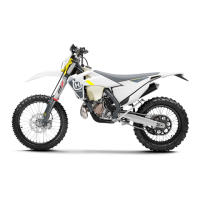
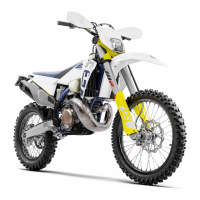
Husqvarna TE 250i 2022 - User Manual

Husqvarna TE 250i 2022
184 pages
Print Icon
To Next Page IconTo Next Page
Loading...
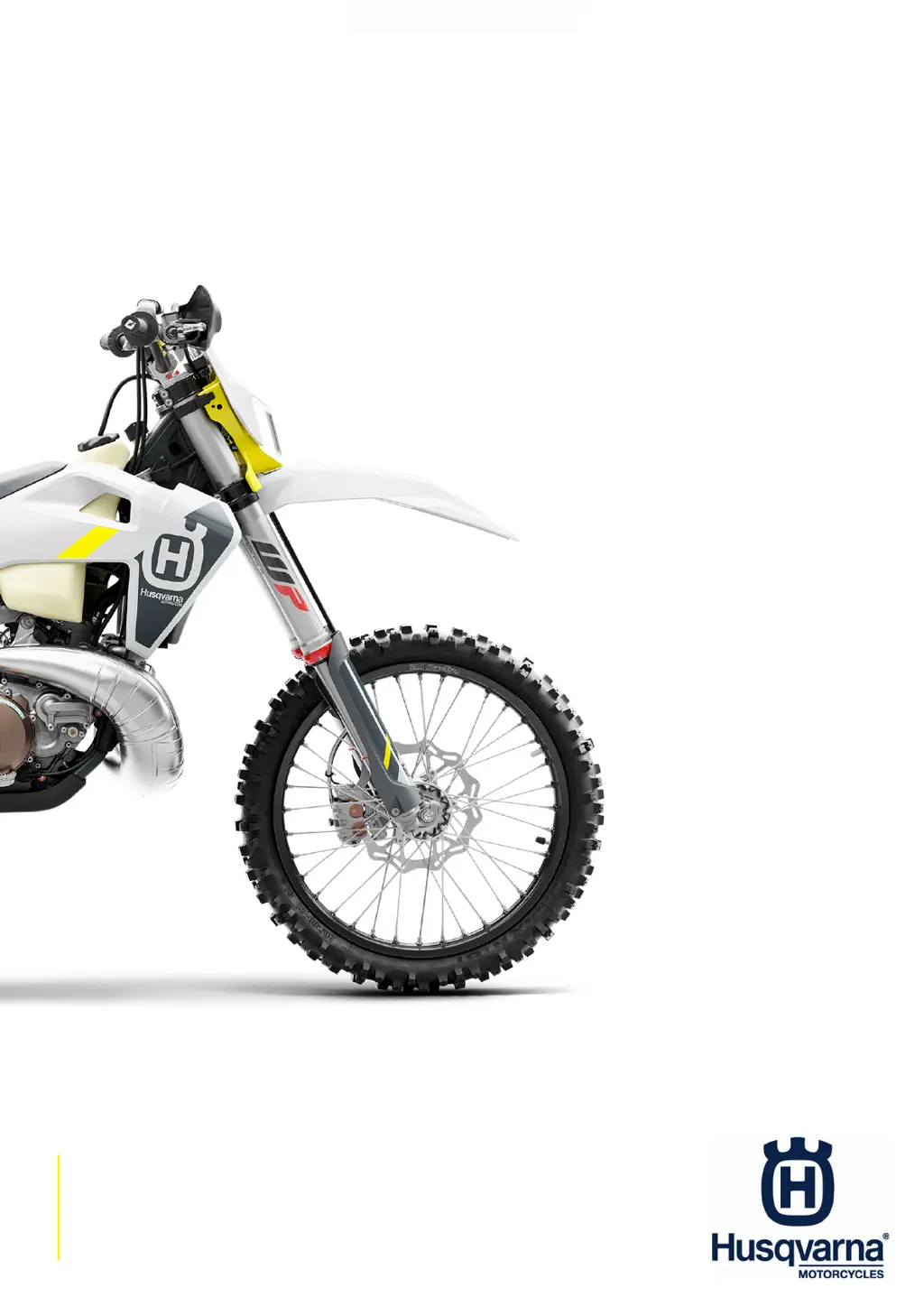
OWNER'S MANUAL 2022
TE 250i
TE 300i
TE 300i ROCKSTAR EDITION
Art. no. 3402538en

Table of Contents

Other manuals for Husqvarna TE 250i 2022

Questions and Answers

  • B
    bobsalazarSep 10, 2025
    What causes a Husqvarna Motorcycle engine to overheat?
    • T
      Tiffany MontesSep 10, 2025
      If your Husqvarna Motorcycle engine overheats, take the following steps: Check the coolant level and look for leaks in the cooling system. Ensure there's enough air stream, and switch off the engine when stationary. Clean the radiator fins if they are very dirty. If there's foam formation in the cooling system, drain and refill the coolant. Inspect the cylinder head and cylinder head gasket for damage. Replace any bent radiator hoses and check the thermostat, which should open at around 70 °C (158 °F).
  • R
    Rachel GarrettAug 23, 2025
    What to do if my Husqvarna TE 250i 2022 Motorcycle engine turns but won't start?
    • L
      lisabaileyAug 23, 2025
      If your Husqvarna Motorcycle engine turns over but doesn't start, several factors could be the cause. First, ensure you are following the correct start procedure. Other potential causes include the quick release coupling not being joined, which requires you to join it. The idle speed might not be correctly set, so you should adjust it. Check for any interruption in the fuel supply, such as a blocked fuel tank breather. Inspect the spark plug for soot or wetness; clean, dry, or replace it if necessary. Also, verify the spark plug gap and adjust it to 0.6 mm (0.024 in) if it's too wide. Finally, the connector or ignition coil might be loose or oxidized, so clean the connector and treat it with contact spray.
  • B
    Briana AndersenAug 25, 2025
    Why my Husqvarna Motorcycle engine cannot be cranked (starter motor)?
    • B
      Betty GregoryAug 25, 2025
      If your Husqvarna Motorcycle engine won't crank, it could be due to several reasons. You might not be following the correct start procedure, so ensure you are doing that properly. The 12-V battery could be discharged, requiring you to charge it, check the charging voltage, open-circuit current, and the alternator's stator winding. A blown main fuse could also be the culprit, so replace it. Finally, the starter relay or the starter motor itself might be faulty, so check them.
  • M
    Michael HoltAug 27, 2025
    Why does my Husqvarna Motorcycle engine have too little power?
    • J
      jamie60Aug 27, 2025
      If your Husqvarna Motorcycle engine has insufficient power, several factors could be responsible. A very dirty air filter or fuel filter can restrict performance, so clean the air filter and air filter box, and change the fuel filter. The fuel screen might also be dirty, so replace it. Check the fuel tank breather in case of interrupted fuel supply. Leaks in the exhaust system, deformation, or insufficient glass fiber yarn filling in the main silencer can also cause power loss, so inspect the exhaust system for damage and replace the glass fiber yarn filling if needed. Also, the ambient pressure might be incorrectly stored, so program the ambient air pressure. Finally, inspect the diaphragm and reed valve housing for damage.
  • H
    Heather GreenAug 27, 2025
    How to prevent my Husqvarna TE 250i 2022 engine from overheating?
    • D
      Debra CookAug 28, 2025
      To prevent your Husqvarna Motorcycle engine from overheating, consider these points. Ensure there's enough coolant in the system and check for leaks, also check the coolant level. Avoid prolonged idling to ensure sufficient airflow, and switch off the engine when stationary. Clean the radiator fins if they are very dirty. If there is foam formation in the cooling system, drain and refill the coolant. Also, check the cylinder head and cylinder head gasket for damage. Replace any bent radiator hoses and check the thermostat.
  • L
    Laura ShermanAug 29, 2025
    What causes a Husqvarna Motorcycle engine to have no idle speed?
    • A
      Andrea DawsonAug 29, 2025
      If your Husqvarna Motorcycle engine has no idle speed, the possible causes include a defective spark plug, which requires you to change it. Another cause may be faulty ignition, so check the ignition coil, spark plug connector and the stator winding of the alternator. The idle speed might not be set correctly, so adjust it.
  • S
    Sheryl SmithSep 18, 2025
    How to fix water in the gear oil of my Husqvarna Motorcycle?
    • J
      Joshua WoodSep 18, 2025
      If there is water in the gear oil of your Husqvarna Motorcycle, it could be due to a damaged radial shaft seal ring or water pump. Check the radial shaft seal ring and the water pump.
  • R
    Robert GarciaSep 23, 2025
    Why are the values deleted in my Husqvarna Motorcycle combination instrument?
    • M
      Michelle ColonSep 23, 2025
      If the values in the combination instrument of your Husqvarna Motorcycle are deleted (time, stop watch, lap times), the combination instrument battery is likely empty. Change the combination instrument battery.
  • R
    Rachel SmithSep 7, 2025
    How to fix a Husqvarna Motorcycle when the engine won't crank?
    • D
      Dana WestSep 7, 2025
      If your Husqvarna Motorcycle engine cannot be cranked by the starter motor, here are a few things to investigate: * First, ensure you are using the correct start procedure. * Check the 12-V battery; it may be discharged and need charging. Also, check the charging voltage, open-circuit current, and the alternator's stator winding. * Inspect the main fuse; if it's blown, replace it. * The starter relay or the starter motor itself may be faulty and require inspection.
  • F
    Frank JenkinsSep 4, 2025
    Why is my Husqvarna Motorcycle emitting white smoke?
    • J
      Joann MorganSep 4, 2025
      If your Husqvarna Motorcycle is emitting white smoke (steam) in the exhaust gas, it could be due to a damaged cylinder head or cylinder head gasket. Check these components for damage.

Summary

Means of Representation

Symbols used

Explains the meaning of specific symbols used in the manual.

Formats used

Explains the typographical formats used in the document.

Safety Advice

Use definition - intended use

Defines the intended use of the vehicle and compliance with regulations.

Misuse

Describes what constitutes misuse of the vehicle and potential dangers.

Safety advice

Provides general safety instructions and emphasizes reading them carefully.

Degrees of risk and symbols

Tampering warning

Warns against tampering with the noise control system and lists prohibited acts.

Safe operation

Provides crucial advice for safe vehicle operation, including dangers of accidents and poisoning.

Protective clothing

Work rules

Outlines essential rules and conditions to follow when performing work on the vehicle.

Environment

Owners Manual

Stresses the importance of reading the manual for safe operation, handling, and service.

Important Notes

Manufacturer warranty, implied warranty

Details warranty conditions and the necessity of authorized workshop service.

Fuel, auxiliary substances

Provides guidelines for using fuel and auxiliary substances safely and environmentally.

Spare parts, Husqvarna Motorcycles technical accessories

Recommends using approved spare parts and accessories for safety and performance.

Service

Figures

Notes that figures may depict special equipment and components might be shown disassembled.

Customer service

Provides information on contacting authorized dealers for assistance and support.

View of Vehicle

View of vehicle, front left (example)

Illustrates the front left view of the vehicle with numbered components and their references.

View of vehicle, rear right (example)

Serial Numbers

Vehicle identification number

Shows the location of the vehicle identification number on the steering head.

Type label (All EU;AR;CN models)

Indicates the location of the type label on the front of the steering head.

Key number (All EU;AR models)

Specifies where to find the key number for the steering lock on the key ring.

Engine number

Shows the location where the engine number is embossed on the engine.

Controls

Clutch lever

Describes the clutch lever, its location, and automatic adjustment mechanism.

Hand brake lever

Details the location of the hand brake lever and its function for engaging the front brake.

Throttle grip

Stop button (All EU;AR;CN models)

Explains the function and states of the stop button on the left handlebar.

Stop button (All US models)

Horn button (All EU;AR models)

Describes the horn button's location and operation for EU/AR models.

Light switch (All EU;AR;CN models)

Light switch (All US models)

Describes the function and states of the light switch for US models.

Turn signal switch (All EU;AR models)

Details the location and operation of the turn signal switch for EU/AR models.

Emergency OFF switch (All EU;AR;CN models)

Start button (All US models)

Describes the function and states of the start button for US models.

Start button (All EU;AR;CN models)

Map switch

Explains the function and possible states of the map switch for different riding characteristics.

Overview of indicator lights (All EU;AR;CN models)

Overview of indicator lamps (All US models)

Details the indicator lamps for US models and their meanings.

Opening fuel tank filler cap

Explains how to open the fuel tank filler cap, including safety warnings.

Closing the fuel tank filler cap

Opening 2-stroke oil tank cap

Describes the procedure for opening the 2-stroke oil tank cap.

Closing 2-stroke oil tank cap

Cold start button

Explains the function and states of the cold start button for fuel-injected engines.

Idle speed adjusting screw

Shift lever

Identifies the location of the shift lever and shows gear positions.

Foot brake lever

Side stand

Explains the location and use of the side stand for parking the motorcycle.

Steering lock (All EU;AR models)

Describes the function and location of the steering lock for EU/AR models.

Locking the steering (All EU;AR models)

Unlocking the steering (All EU;AR models)

Guides on how to unlock the steering using the steering lock.

Combination Instrument

Overview

Provides an overview of the combination instrument, its buttons, and display.

Activation

Explains how the combination instrument is activated.

Messages on the combination instrument

Lists and explains possible messages displayed on the combination instrument.

Adjusting the combination instrument

Details the steps for adjusting settings like unit and time on the instrument.

Setting the kilometers or miles

Setting the clock

Setting the service display

Explains how to set or reset the service interval display.

Speed, time, and DST distance 1

Speed, time, and DST2 distance 2

Details how to view and reset speed, time, and distance 2 (DST2).

AVG average speed, ART operating hours, and ODO total distance covered

Preparing for Use

Advice on preparing for first use

Provides essential safety advice and initial checks before the first ride.

Running in the engine

Starting power of lithium-ion batteries at low temperatures

Preparing the vehicle for difficult operating conditions

Advises on preparing the vehicle for various challenging riding conditions like sand or mud.

Preparing the vehicle for rides on dry sand

Preparing the vehicle for rides on wet sand

Preparing the vehicle for rides on wet and muddy circuits

Preparing vehicle for high temperatures or slow riding

Offers advice on preparing the vehicle for operation in hot conditions or slow riding.

Preparing the vehicle for low temperatures or snow

Riding Instructions

Checks and maintenance measures when preparing for use

Lists crucial checks and maintenance tasks to perform before every ride.

Starting the vehicle

Details the safe procedure for starting the motorcycle's engine.

Starting off

Shifting, riding

Provides instructions on shifting gears and general riding techniques.

Braking

Stopping, parking

Transporting

Provides notes and warnings related to transporting the motorcycle.

Refueling

Adding 2-stroke oil

Service Schedule

Additional information

Provides context on how service intervals may vary and where to find the latest schedule.

Required work

Lists essential maintenance tasks and their intervals based on operating hours.

Recommended work

Tuning the Chassis

Checking the basic chassis setting with riders weight

Explains how to adjust the chassis settings based on the rider's weight for optimal handling.

Compression damping of the shock absorber

Introduces the concept of high-speed and low-speed compression damping for shock absorbers.

Adjusting the low-speed compression damping of the shock absorber

Details how to adjust the low-speed compression damping on the shock absorber.

Adjusting the high-speed compression damping of the shock absorber

Adjusting the rebound damping of the shock absorber

Measuring the dimension of the rear wheel unloaded

Describes the preparatory steps and main work for measuring rear wheel unloaded dimension.

Checking the static sag of the shock absorber

Checking the riding sag of the shock absorber

Details the procedure for checking the riding sag of the shock absorber.

Adjusting the spring preload of the shock absorber

Adjusting the riding sag

Checking the basic setting of the fork

Provides information on checking the basic fork settings and potential issues.

Adjusting the compression damping of the fork

Adjusting the rebound damping of the fork

Explains how to adjust the rebound damping on the fork legs.

Adjusting the spring preload of the fork

Handlebar position

Describes the available handlebar positions and mounting hole dimensions.

Adjusting the handlebar position

Service Work on the Chassis

Raising the motorcycle with a lift stand

Explains how to safely raise the motorcycle using a lift stand.

Removing the motorcycle from the lift stand

Guides on how to safely remove the motorcycle from a lift stand.

Bleeding the fork legs

Describes the process of bleeding the fork legs to remove air or excess pressure.

Cleaning the dust boots of the fork legs

Removing the fork legs

Details the steps required to remove the fork legs from the motorcycle.

Installing the fork legs

Removing the fork protector

Installing the fork protector

Details how to install the fork protectors onto the front forks.

Removing the lower triple clamp

Installing the lower triple clamp

Checking the steering head bearing play

Adjusting steering head bearing play

Lubricating the steering head bearing

Describes the process of lubricating the steering head bearing.

Removing front fender

Explains how to remove the front fender.

Installing front fender

Removing the shock absorber

Installing the shock absorber

Removing the seat

Mounting the seat

Details the procedure for correctly mounting the motorcycle seat.

Removing the air filter box cover

Guides on how to remove the air filter box cover.

Installing the air filter box cover

Removing the air filter

Details the procedure for removing the air filter from the air filter box.

Cleaning the air filter and air filter box

Installing the air filter

Guides on how to correctly install the cleaned air filter.

Removing the main silencer

Installing the main silencer

Details the procedure for correctly installing the main silencer.

Changing the glass fiber yarn filling of the main silencer

Guides on how to change the internal filling of the main silencer.

Removing the right side cover

Installing the right side cover

Details how to correctly install the right side cover.

Removing the fuel tank

Installing the fuel tank

Guides on how to safely install the fuel tank, including safety warnings.

Checking the chain for dirt

Cleaning the chain

Checking the chain tension

Adjusting the chain tension

Checking the chain, rear sprocket, engine sprocket, and chain guide

Checking the frame

Checking the link fork

Guides on inspecting the link fork for damage, cracking, or deformation.

Checking the throttle cable routing

Details the preparatory steps and procedure for checking throttle cable routing.

Checking the rubber grip

Adjusting the basic position of the clutch lever

Checking;correcting the fluid level of hydraulic clutch

Changing the hydraulic clutch fluid

Removing the engine guard

Installing the engine guard

Details how to install the engine guard.

Brake System

Adjusting the basic position of the hand brake lever (All TE standard models)

Guides on adjusting the hand brake lever position for standard TE models.

Checking the free travel of the hand brake lever (All TE special models)

Explains how to check the free travel of the hand brake lever for special TE models.

Adjusting the free travel of the handbrake lever (All TE special models)

Details how to adjust the free travel of the hand brake lever for special TE models.

Checking the brake discs

Checking the front brake fluid level

Adding front brake fluid

Guides on how to add front brake fluid, including safety precautions.

Checking the front brake linings

Changing the brake linings of the front brake

Checking the free travel of the foot brake lever

Adjusting the basic position of the foot brake lever

Checking the rear brake fluid level

Adding rear brake fluid

Checking the brake linings of the rear brake

Changing the rear brake linings

Wheels, Tires

Removing the front wheel

Details the procedure for safely removing the front wheel.

Installing the front wheel

Removing the rear wheel

Installing the rear wheel

Checking the tire condition

Checking tire pressure

Explains the importance of correct tire pressure and how to check it.

Checking spoke tension

Electrical System

Removing the 12-V battery

Details the procedure for safely removing the 12-V battery, including warnings.

Installing the 12-V battery

Charging the 12-V battery

Changing main fuse

Changing the fuses of individual electrical power consumers

Removing the headlight mask with the headlight

Installing the headlight mask with the headlight

Guides on how to correctly install the headlight mask and headlight assembly.

Changing the headlight bulb

Changing the turn signal bulb (All EU;AR models)

Explains how to change the turn signal bulb for EU/AR models.

Checking the headlight setting

Adjusting the headlight range

Changing the combination instrument battery

Explains how to replace the battery for the combination instrument.

Diagnostics connector

Cooling System

Cooling system

Provides a basic overview of the motorcycle's cooling system operation.

Checking the antifreeze and coolant level

Details how to check the antifreeze and coolant levels with safety warnings.

Checking the coolant level

Draining the coolant

Guides on how to drain the coolant from the system with safety warnings.

Refilling with coolant

Changing the coolant

Tuning the Engine

Checking the play in the throttle cable

Explains how to check and measure the play in the throttle cable.

Adjusting the play in the throttle cable

Setting the characteristic map of the throttle response

Adjusting the idle speed

Programming ambient air pressure

Describes how to program ambient air pressure for altitude adjustments.

Checking the basic position of the shift lever

Adjusting the basic position of the shift lever

Details how to adjust the shift lever's position for proper engagement.

Service Work on the Engine

Changing the fuel screen

Provides instructions and safety warnings for changing the fuel screen.

Checking 2-stroke oil level

Priming oil pump

Guides on priming the 2-stroke oil pump, including warnings.

Cleaning the oil screen in the oil tank

Checking the gear oil level

Changing the gear oil

Adding the gear oil

Cleaning, Care

Cleaning the motorcycle

Offers detailed instructions and warnings for cleaning the motorcycle, emphasizing correct methods.

Checks and maintenance steps for winter operation

Storage

Preparing for use after storage

Explains the steps required to prepare the motorcycle for use after it has been stored.

Troubleshooting

Faults

Lists common faults, their possible causes, and recommended actions.

Blink Code

Blink codes

Explains the blink codes displayed by the malfunction indicator lamp.

Technical Data

Engine

Provides detailed technical specifications for the engine, including model variants.

Engine tightening torques

Lists the specified tightening torques for various engine components.

Capacities

Gear oil

Details the capacity for gear oil.

Coolant

Details the capacity for coolant.

Fuel

Details fuel tank capacity and reserve.

Chassis

Electrical system

Lists technical specifications for the electrical system components like battery, lights, and fuses.

Tires

Specifies tire sizes and types for different models and regions.

Fork

Provides technical data for the front fork, including damping and spring settings.

Shock absorber

Chassis tightening torques

Substances

Brake fluid DOT 4; DOT 5.1

Specifies the standard and recommended suppliers for brake fluid.

Coolant

Provides guidelines and recommendations for coolant usage and antifreeze protection.

Engine oil (15 W;50)

Details the standard and recommended engine oil specifications.

Engine oil, 2-stroke

Fork oil (SAE 4)

Lists specifications and recommendations for fork oil.

Shock absorber fluid (SAE 2.5)

Provides specifications and recommendations for shock absorber fluid.

Super unleaded (ROZ 95)

Specifies fuel requirements, including ethanol content limitations.

Auxiliary Substances

Air filter cleaner

Lists recommended suppliers for air filter cleaner.

Chain cleaner

Lists recommended suppliers for chain cleaner.

High viscosity grease

Lists recommended suppliers for high viscosity grease.

Long-life grease

Lists recommended suppliers for long-life grease.

Motorcycle cleaner

Off-road chain spray

Lists recommended suppliers for off-road chain spray.

Oil for foam air filter

Lists recommended suppliers for foam air filter oil.

Preserving materials for paints, metal and rubber

Lists recommended suppliers for preserving materials.

Silicone spray

Lists recommended suppliers for silicone spray.

Special cleaner for glossy and matte paint finishes, metal and plastic surfaces

Universal oil spray

Lists recommended suppliers for universal oil spray.

Standards

JASO T903 MA2

Explains the JASO T903 MA2 standard for motorcycle engine oils.

SAE

Explains SAE viscosity classifications for oils.

JASO FD

Describes the JASO FD classification for 2-stroke engine oil.

Index of Special Terms

Injection in the transfer ducts

Defines electronic fuel injection with two injection valves.

OBD

Defines On-board diagnosis system for monitoring vehicle electronics.

List of Abbreviations

List of Symbols

Red symbols

Explains red symbols indicating error conditions requiring immediate intervention.

Yellow and orange symbols

Explains yellow/orange symbols indicating errors or active driving aids.

Green and blue symbols

Explains green/blue symbols that reflect information.

Husqvarna TE 250i 2022 Specifications

General IconGeneral
Bore x Stroke66.4 mm x 72 mm
Starting SystemElectric starter
Transmission6-speed
Engine TypeSingle-cylinder, 2-stroke
ClutchWet multi-disc
FrameChromium Molybdenum steel
Front SuspensionWP XPLOR 48
Rear SuspensionWP XPLOR shock absorber
Front Brake260 mm disc
Rear Brake220 mm disc
Front Wheel21"
Rear Wheel18"

Related product manuals