EasyManua.ls Logo

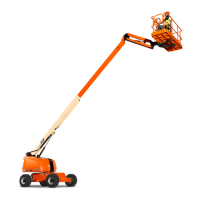
JLG 600AJ - User Manual

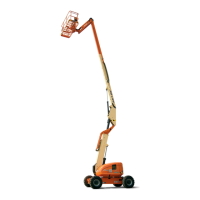
JLG 600AJ
150 pages
Print Icon
To Next Page IconTo Next Page
Loading...
ANSI
®
Operation and Safety Manual
Original Instructions - Keep this manual with the machine at all times.
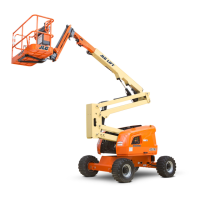
Boom Lift Models
600A
600AJ
3121204
August 1, 2016

Table of Contents

Other manuals for JLG 600AJ

Questions and Answers

  • A
    April SanchezJul 26, 2025
    Why is my JLG Boom Lifts system operating hot?
    • K
      Kari JohnsonJul 26, 2025
      Your JLG Boom Lifts system might be running hot due to several reasons. It could be due to an insufficient amount of hydraulic fluid, which fails to meet the system's cooling demands. In this case, fill the reservoir to the proper level. Another cause might be a failing or obstructed heat exchanger, which also prevents adequate cooling. Make sure the heat exchanger is receiving enough air flow and is in good condition; repair or replace it if needed. Finally, a system relief valve that's unseated for too long or malfunctioning could cause overheating. Repair or replace any faulty relief valves and check that the machine's loads aren't too high.
  • R
    Robert RobertsAug 1, 2025
    What to do if my JLG 600AJ Lifting Systems is operating hot?
    • J
      Jeremy HouseAug 1, 2025
      If your JLG Lifting Systems is operating hot, it could be due to several reasons. An insufficient amount of hydraulic fluid may not meet the system's cooling demands, so ensure the reservoir is filled to the proper level. Another cause could be a failing or obstructed heat exchanger, which may not meet the system's cooling demands; ensure the heat exchanger is receiving adequate airflow and is in good operating condition, repairing or replacing it as necessary. Additionally, a system relief valve that has become unseated or failed could cause overheating; repair or replace any malfunctioning relief valves and verify that the machine's loads are not excessive.
  • L
    Leah FordAug 9, 2025
    How to fix excessive noise and vibration in JLG Boom Lifts?
    • E
      Elizabeth TerryAug 9, 2025
      Excessive noise and vibration in your JLG Boom Lifts can stem from several issues. Insufficient hydraulic fluid can cause cavitation, leading to system noise; ensure the reservoir is filled to the correct level and that oil supply to the motor is adequate and unobstructed. Trapped air in system lines or the motor can also cause cavitation; make sure all system lines and components are purged of air. A loose or incorrect shaft coupling can produce vibrations; verify the correct coupling is used and fits properly. Misaligned shafts create frictional vibration; ensure shafts are properly aligned. Finally, hydraulic oil viscosity above acceptable limits can cause cavitation; replace the hydraulic oil with the appropriate fluid for your operating conditions.
  • G
    ggregoryAug 17, 2025
    Why is there excessive noise and vibration in my JLG 600AJ?
    • G
      Gloria DavisAug 17, 2025
      Excessive noise and vibration in JLG Lifting Systems can stem from several issues. It could be due to insufficient hydraulic fluid causing cavitation; ensure the reservoir is filled to the correct level and that the oil supply to the motor is adequate and unobstructed. Trapped air in the system lines or motor can also cause cavitation; make sure all system lines and components are purged of air. Other potential causes include a loose or incorrect shaft coupling, misaligned shafts creating excessive friction, or hydraulic oil viscosity being above acceptable limits. Verify the shaft coupling is correct and properly fitted, the shafts are correctly aligned, and replace the hydraulic oil with the appropriate fluid for the operating conditions.

Summary

Section 1: Safety Precautions

1.1 General Safety Precautions

Outlines general safety precautions for machine operation and maintenance.

1.2 Pre-Operation Safety Procedures

Details essential pre-operation checks and safety requirements before use.

1.3 Safe Machine Operation Guidelines

Covers general operating safety, hazards, and best practices for machine use.

1.4 Towing, Lifting, and Hauling Safety

Provides essential guidelines for safely towing, lifting, and hauling the equipment.

1.5 Additional Hazards and Safety Measures

Addresses other potential hazards and specific safety considerations.

Section 2: User Responsibilities, Machine Preparation, and Inspection

2.1 Personnel Training Requirements

Emphasizes the necessity of trained personnel for safe operation and maintenance.

2.2 Machine Preparation and Inspection Procedures

Details recommended periodic inspections and maintenance tasks.

2.3 Daily Walk-Around Inspection Checklist

Provides a comprehensive checklist for daily walk-around inspections.

Section 3: Machine Controls and Indicators

3.1 General Controls and Indicator Overview

Introduces the use of symbols, controls, and indicators on the machine.

3.2 Ground Controls

Explains the functions and operation of the ground control panel.

3.3 Ground Control Indicator Panel Details

Details the meaning and function of indicators on the ground control panel.

3.4 Platform Controls

Describes the controls and their operation on the platform console.

3.5 Platform Control Indicator Panel Details

Explains the meaning and function of indicators on the platform control panel.

Section 4: Machine Operation

4.1 Machine Operation Overview

Provides a general description of the aerial lift's operational capabilities.

4.2 Operating Characteristics and Limitations

Covers essential operating characteristics, capacities, and limitations.

4.3 Engine Operation Procedures

Details engine starting, warm-up, and shutdown procedures.

4.4 Traveling and Driving Safely

Instructions and warnings for safe machine movement and driving.

4.5 Steering System Operation

Explains how to operate the machine's steering system.

4.6 Platform Leveling and Rotation

Covers procedures for platform level adjustment and rotation.

4.7 Boom Operation and Movement

Details safe procedures for boom swinging, raising, and lowering.

4.8 Shut Down and Park Procedures

Essential steps for safely shutting down and parking the machine.

4.9 Oscillating Axle Lockout Test

Procedure for performing the oscillating axle lockout system test.

4.10 Steer;Tow Selector Functionality

Explains the operation and purpose of the steer/tow selector valve.

4.11 Safe Towing Guidelines

Provides instructions and warnings for safely towing the equipment.

4.12 Auxiliary Power - Non ADE Machines

How to activate and use auxiliary power on non-ADE equipped machines.

4.13 Auxiliary Power - ADE Equipped Machines

How to activate and use auxiliary power on ADE equipped machines.

4.14 Dual Fuel System Operation

Information on operating the machine with the dual fuel system.

4.15 Re-synchronize Lower Lift Cylinder

Procedure for re-synchronizing the lower lift cylinder.

4.16 Tie Down and Lifting Procedures

Instructions for securing and lifting the machine for transport or maintenance.

4.17 SkyGuard System Operation

Explains the SkyGuard system, its activation, and function effects.

Section 5: Emergency Procedures

5.1 General Emergency Guidelines

General steps to be taken in case of an emergency situation.

5.2 Incident Notification Procedures

Procedures for notifying JLG Industries of any incidents involving their products.

5.3 Emergency Machine Operation

Steps for operating the machine under emergency conditions.

5.4 Emergency Towing Procedures

Guidelines and provisions for emergency towing of the machine.

5.5 Manual Descent Operation

Instructions for manually lowering the boom in case of power failure.

Section 6: General Specifications & Operator Maintenance

6.1 Introduction to Specifications and Maintenance

Provides additional information on machine operation and maintenance.

6.2 Key Operating Specifications

Lists essential operating specifications like capacity, grades, and weights.

6.3 Operator Maintenance Tasks

Details routine daily and periodic maintenance tasks for operators.

6.4 Tires and Wheels Information

Information on tire inflation, damage assessment, and replacement guidelines.

6.5 Oscillating Axle Lockout Test Procedure

Step-by-step procedure for testing the oscillating axle lockout system.

6.6 Draining Propane Regulator Oil Build-Up

Instructions for draining oil build-up from the propane regulator.

6.7 Propane Fuel Filter Replacement

Steps for removing and replacing the propane fuel filter.

6.8 Propane Fuel System Pressure Relief

Procedure for safely relieving pressure in the propane fuel system.

6.9 Supplemental Information and Directives

Information related to European directives, noise, and vibration levels.

Section 7: Inspection and Repair Log

Inspection and Repair Log

A log for recording machine inspections and repairs performed.

Transfer of Ownership Information

Owner Information Update Form

Form to provide updated ownership information to JLG for safety notifications.

JLG 600AJ Specifications

General IconGeneral
Platform Height60 ft
Horizontal Outreach40 ft / 12.19 m
Platform Capacity - Unrestricted500 lbs
Machine Width8 ft / 2.44 m
Machine Length40.75 ft / 12.42 m
Machine Height8.25 ft / 2.51 m
Gradeability - 4WD45%
Working Height66 ft
Jib Length6 ft
ControlsProportional
Power SourceDiesel
Engine TypeDeutz D2.9L4
Platform Capacity - Restricted1000 lbs
Weight22, 000 lb / 9979.03 kg
Drive Speed - 4WD3.5 mph
Swing360 Degrees Continuous
Platform Rotator180 Degrees
Wheelbase8 ft
Ground Clearance1 ft
Machine Weight22, 000 lb / 9979.03 kg

Related product manuals