EasyManua.ls Logo

Johnson Controls Sabroe SAB 193 L - User Manual

Johnson Controls Sabroe SAB 193 L
171 pages
Print Icon
To Next Page IconTo Next Page
Loading...
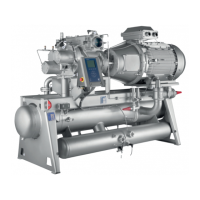
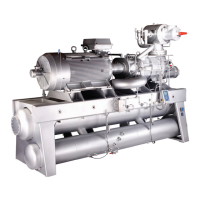
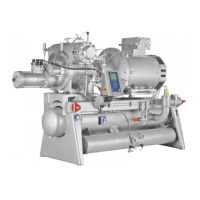
SAB 193-233-283 S A-frame (including ATEX)
Screw compressor units
Engineering manual
en

Table of Contents

Questions and Answers

  • M
    Morgan BrownSep 12, 2025
    What to do if there is rapid oil loss in my Johnson Controls Sabroe SAB 193 L?
    • D
      Donald RomanSep 12, 2025
      Rapid oil loss with no oil level in the coalescer section sight glass in your Johnson Controls Air Compressor can occur if, on shutdown, the compressor unit suction check valve did not close, so repair the valve. The suction check valve bypass may be open too far, so close the valve. Coalescers may be loose or not seated properly, so correct or replace them. On an economized unit, the economizer check valve may not be working, so repair or replace it.
  • R
    Richard TurnerAug 23, 2025
    Why is the discharge pressure excessively high in my Johnson Controls Air Compressor?
    • R
      rfletcherAug 23, 2025
      Excessively high discharge pressure in your Johnson Controls Air Compressor can be due to several reasons. The safety cut-out might be set too low, so check the settings of alarms and warnings. There could be high discharge line loss, so inspect the valves. A malfunctioning condenser may also be the cause; check the condenser, liquid drain, refrigerant charge, water/air inlet temperature, and water/air flow. Finally, air or non-condensable gasses in the system can cause this issue, so purge the air from the condenser side.
  • M
    Mark JohnsonAug 25, 2025
    How to fix excessively low suction pressure in Johnson Controls Air Compressor?
    • D
      Daniel GarzaAug 25, 2025
      Excessively low suction pressure in your Johnson Controls Air Compressor can be caused by a refrigeration load that's lower than the compressor capacity; in this case, reduce compressor capacity. It could also be due to high suction line loss, so check the valves and strainers. Another cause might be a malfunction of the evaporator, so inspect the evaporator for fouling or accumulated oil. Also, check the liquid expansion valve system, filter in the liquid line, and ensure there is sufficient refrigerant charge.
  • J
    Jeffrey LeblancAug 26, 2025
    What to do if my Johnson Controls Sabroe SAB 193 L has excessive noise and vibration?
    • D
      Daniel GrayAug 26, 2025
      Excessive noise and vibration in your Johnson Controls Air Compressor could stem from several issues. The main oil injection valve may be closed or open too far, so open or adjust it accordingly. Bearing damage or excessive wear can also cause this, requiring bearing replacement. Additionally, the slide valve/slide stop might be out of calibration, needing calibration. A loose coupling on the shaft should be tightened or replaced if damaged. Finally, refrigerant flood back (liquid slugging) can lead to these symptoms, so correct the underlying system problem.
  • J
    Jose GriffinAug 29, 2025
    Why won't the capacity slide valve move on my Johnson Controls Air Compressor?
    • D
      David MillerAug 29, 2025
      If the capacity slide valve or slide stop on your Johnson Controls Air Compressor won't move, preventing unloading/loading, it could be due to insufficient oil pressure, so check the oil pressure. The solenoid coils might be burned out, requiring replacement. Incorrect valve settings in the hydraulic system could also be the cause, so check according to the hydraulic system description. Lastly, a malfunction of the 4-way control valve of slide components could be the issue, so check according to the description of main components.
  • P
    Patrick McguireAug 30, 2025
    What causes high suction pressure and insufficient refrigeration capacity in a Johnson Controls Sabroe SAB 193 L Air Compressor?
    • K
      Kelsey CooperAug 31, 2025
      High suction pressure combined with insufficient refrigeration capacity in your Johnson Controls Air Compressor can occur if the compressor protection valve is opening or leaking, so check the discharge pressure safety cut-out settings and the pilot/main protection valve. An oil return valve that is fully open can also cause this issue, so adjust the regulating valve. Finally, a clogged suction strainer can lead to these symptoms, so clean the strainer.
  • C
    Catherine MillerSep 18, 2025
    Why is grease leaking from the vent port of my Johnson Controls Sabroe SAB 193 L?
    • R
      Ryan BerrySep 18, 2025
      Grease leaking from the vent port in the side of the pump body is normal and will cease after initial operation. However, black oil leaking from this vent indicates oil seal wear or failure. If leakage exceeds the normal allowable rate of 7 drops per minute, replace the seal.
  • A
    Andrew SimsNov 26, 2025
    Why is the oil temperature too high in my Johnson Controls Air Compressor?
    • J
      Jamie LinNov 26, 2025
      High oil temperature in your Johnson Controls Air Compressor, accompanied by high discharge temperature, can be attributed to several factors. Check that the valves in the oil system are fully open. If you have a 3-way oil temperature control valve, check its function and replace the sensor element if needed. For water-cooled systems, check the oil cooler for fouling, water inlet temperature, and water flow. For refrigerant-cooled systems, check/drain accumulated oil in the oil cooler and ensure the gravity-fed refrigerant system is fully flooded. For liquid injection systems, check the settings in the control system, valves, and strainer in the liquid injection line. Also, verify that the compressor protection valve is not open or leaking by checking the discharge pressure safety cut-out ...
  • F
    fmayerSep 9, 2025
    What causes gradual oil loss in my Johnson Controls Sabroe SAB 193 L Air Compressor?
    • M
      mcclainstevenSep 9, 2025
      Gradual oil loss in your Johnson Controls Air Compressor, with an oil level in the coalescer section sight glass, can be due to maintaining too high an oil level; lower the level by opening/adjusting the oil return valve. It could also be caused by refrigerant carry-over or liquid injection overfeeding, so correct the operation. Loss of suction superheat can also contribute, so adjust evaporator feeds. Contaminated oil or damaged coalescer elements may be the cause, so replace the oil charge and coalescers. A closed coalescer return valve should be opened. Finally, a blocked coalescing oil return line strainer should be cleaned.
  • S
    Stephanie LiSep 6, 2025
    Why is the discharge temperature very low in my Johnson Controls Sabroe SAB 193 L?
    • D
      Darrell DavisSep 6, 2025
      A very low discharge temperature in your Johnson Controls Air Compressor, accompanied by low oil temperature and potential oil foaming in the oil separator, can be caused by excessive liquid in the suction line or liquid slugging. Check the evaporator and expansion valve function, and decrease the rate of evaporator temperature "pull down." Alternatively, liquid injection may be overfeeding, so check the settings in the control system and the stability of the liquid injection.

Summary

Safety Precautions for Compressor Operation

Areas of Application for Screw Compressors

Defines the correct usage and limitations for screw compressors.

Application of Combustion Engines

Discusses the inapplicability of installing combustion engines in refrigeration machine rooms.

General Safety Precautions

Provides general safety guidelines for operating and maintaining the unit.

Work Area Safety Guidelines

Emphasizes keeping the work area clean, clear, and safe.

Safety During Operation

Highlights critical safety checks before operation, including interlocks and ventilation.

Safety During Maintenance and Service

Details safety measures required before and during maintenance activities.

Electrical Installation Safety

Covers safety aspects of electrical installations, especially for ATEX units.

Power Supply Safety

Warns about electrical hazards and precautions for power supply.

Lubricating Oils Safety

Provides guidelines on handling and safety for lubricating oils.

Refrigerant Handling Safety

Advises caution when dealing with refrigerants due to asphyxiation and frostbite risks.

Purging a Refrigeration Plant Safely

Explains safe procedures for purging air and non-condensable gases.

F-gas Regulation Compliance

Outlines requirements related to fluorinated greenhouse gases and F-gas regulation.

First Aid for Ammonia Accidents

Provides first aid measures for exposure to ammonia.

First Aid for HFC;HCFC Accidents

Offers guidance on first aid for accidents involving HFC/HCFC refrigerants.

Operator and Environmental Protection

Highlights measures for protecting operators and the environment, focusing on refrigerants and oils.

Technical Description of Compressor Units

Description of the Screw Compressor

Provides an overview of the screw compressor unit's design and construction.

Marine Application Considerations

Discusses installation requirements and considerations for marine applications.

Main Components and Systems

Lists and briefly describes the major subsystems of the screw compressor unit.

Control System: UniSAB III

Introduces the UniSAB III control and monitoring system.

Compressor Unit Details

Describes the compressor block, suction strainer, and discharge gas flow.

Compressor Lubrication System

Details the functions and types of compressor lubrication systems.

Oil Injection Valve Function

Describes the role and operation of the oil injection valve.

No Pump Oil System

Explains the self-lubricating design of the unit without a dedicated oil pump.

Demand Pump Oil System

Describes the demand pump system for lubrication when differential pressure is low.

Flow Security Measures

Details the oil level transmitter (LIT) for ensuring lubrication before start-up.

Compressor Oil Separation System

Explains the oil-flooded compressor and the oil separation process.

Automatic Oil Return Valve

Describes the function of the EVRB valve for returning separated oil to the compressor.

External Oil Filter Description

Details the external oil filter, its construction, and protection mechanism.

Unit with Double Oil Filter

Explains the operation when the unit is equipped with two parallel oil filters.

Compressor Hydraulic System

Describes the hydraulic system for moving the slide valve and slide stop.

Compressor Oil Cooling Systems

Outlines the different systems for controlling compressor oil temperature.

Liquid Injection Oil Cooling Details

Explains single-port and dual-port liquid injection cooling methods.

Ambient Temperature and Humidity Requirements

Specifies operating limits for ambient conditions and precautions for refrigerant condensation.

Oil Carry-Over to Plant Estimation

Provides formulas and methods for estimating total oil carry-over.

Selecting Lubricating Oil

Guidance on selecting the correct lubricating oil recommended by Sabroe.

Oil Charge Specifications

Refers to subsection 11.13 for details on oil charge quantity.

Heating Rod Element for Oil Heating

Describes the electric heating element for maintaining oil temperature during standstill.

Oil Level Switch Functionality

Explains the oil level switches and their role in monitoring and control.

Cold-Start System Operation

Details the special discharge valve ensuring rapid oil pressure development at start-up.

Compressor Protecting System

Describes the system with main valves and pilot valves for overpressure protection.

Oil Cooling System and Piping Layout

Provides general information on oil cooling systems and their piping layout.

Liquid Injection Oil Cooling Methods

Explains single-port and dual-port liquid injection cooling for different compressor ratios.

Thermosyphon Oil Cooling Principle

Describes the operation and advantages of thermosyphon oil coolers.

Water-Cooled Oil Cooling System

Details the water-cooled oil cooler, its connections, and water supply requirements.

Connection to AlfaNova Oil Cooler

Provides permitted connection forces and moments for AlfaNova heat exchangers.

KRACHT Oil Pump Description

Explains the operation and features of the KRACHT external toothed gear pump.

Economiser System (High-Stage, Optional)

Describes the economiser option for increasing system capacity and efficiency.

General Piping Diagram Explanation

Presents general piping diagrams for SAB 193 units.

Technical Data for Compressor Units

Installation Instructions for Compressor Units

Variable Speed Drive (VSD) Equipment

Discusses potential resonance and vibration issues with VSD equipment.

Operating Instructions for Compressors

Maintenance Instructions for Compressor Units

Faultfinding Instructions for Compressor Units

Commissioning Instructions for Plants

Johnson Controls Sabroe SAB 193 L Specifications

General IconGeneral
BrandJohnson Controls
ModelSabroe SAB 193 L
CategoryAir Compressor
LanguageEnglish

Related product manuals