EasyManua.ls Logo

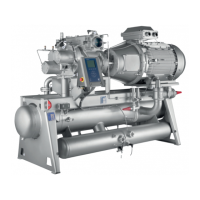
Johnson Controls Sabroe SAB 233 L - User Manual

Johnson Controls Sabroe SAB 233 L
171 pages
Print Icon
To Next Page IconTo Next Page
Loading...
SAB 193-233-283 S A-frame (including ATEX)
Screw compressor units
Engineering manual
en

Table of Contents

Questions and Answers

  • M
    Michelle OdomSep 12, 2025
    What to do if there is rapid oil loss in my Johnson Controls Sabroe SAB 233 L?
    • D
      Dawn ThompsonSep 12, 2025
      Rapid oil loss with no oil level in the coalescer section sight glass in your Johnson Controls Air Compressor can occur if, on shutdown, the compressor unit suction check valve did not close, so repair the valve. The suction check valve bypass may be open too far, so close the valve. Coalescers may be loose or not seated properly, so correct or replace them. On an economized unit, the economizer check valve may not be working, so repair or replace it.
  • N
    nwashingtonAug 23, 2025
    Why is the discharge pressure excessively high in my Johnson Controls Sabroe SAB 233 L Air Compressor?
    • J
      Jennifer KaneAug 23, 2025
      Excessively high discharge pressure in your Johnson Controls Air Compressor can be due to several reasons. The safety cut-out might be set too low, so check the settings of alarms and warnings. There could be high discharge line loss, so inspect the valves. A malfunctioning condenser may also be the cause; check the condenser, liquid drain, refrigerant charge, water/air inlet temperature, and water/air flow. Finally, air or non-condensable gasses in the system can cause this issue, so purge the air from the condenser side.
  • B
    Brian NguyenAug 25, 2025
    How to fix excessively low suction pressure in Johnson Controls Air Compressor?
    • J
      jtorresAug 25, 2025
      Excessively low suction pressure in your Johnson Controls Air Compressor can be caused by a refrigeration load that's lower than the compressor capacity; in this case, reduce compressor capacity. It could also be due to high suction line loss, so check the valves and strainers. Another cause might be a malfunction of the evaporator, so inspect the evaporator for fouling or accumulated oil. Also, check the liquid expansion valve system, filter in the liquid line, and ensure there is sufficient refrigerant charge.
  • N
    Natasha CortezAug 27, 2025
    What to do if my Johnson Controls Air Compressor has excessive noise and vibration?
    • S
      Steven VaughanAug 27, 2025
      Excessive noise and vibration in your Johnson Controls Air Compressor could stem from several issues. The main oil injection valve may be closed or open too far, so open or adjust it accordingly. Bearing damage or excessive wear can also cause this, requiring bearing replacement. Additionally, the slide valve/slide stop might be out of calibration, needing calibration. A loose coupling on the shaft should be tightened or replaced if damaged. Finally, refrigerant flood back (liquid slugging) can lead to these symptoms, so correct the underlying system problem.
  • N
    Nathan GonzalesAug 29, 2025
    Why won't the capacity slide valve move on my Johnson Controls Sabroe SAB 233 L Air Compressor?
    • A
      Alison SmithAug 29, 2025
      If the capacity slide valve or slide stop on your Johnson Controls Air Compressor won't move, preventing unloading/loading, it could be due to insufficient oil pressure, so check the oil pressure. The solenoid coils might be burned out, requiring replacement. Incorrect valve settings in the hydraulic system could also be the cause, so check according to the hydraulic system description. Lastly, a malfunction of the 4-way control valve of slide components could be the issue, so check according to the description of main components.
  • A
    austincharlesAug 31, 2025
    What causes high suction pressure and insufficient refrigeration capacity in a Johnson Controls Air Compressor?
    • A
      Andrea OrtizAug 31, 2025
      High suction pressure combined with insufficient refrigeration capacity in your Johnson Controls Air Compressor can occur if the compressor protection valve is opening or leaking, so check the discharge pressure safety cut-out settings and the pilot/main protection valve. An oil return valve that is fully open can also cause this issue, so adjust the regulating valve. Finally, a clogged suction strainer can lead to these symptoms, so clean the strainer.
  • K
    Kenneth DaughertySep 18, 2025
    Why is grease leaking from the vent port of my Johnson Controls Sabroe SAB 233 L Air Compressor?
    • A
      Amanda CochranSep 19, 2025
      Grease leaking from the vent port in the side of the pump body is normal and will cease after initial operation. However, black oil leaking from this vent indicates oil seal wear or failure. If leakage exceeds the normal allowable rate of 7 drops per minute, replace the seal.
  • A
    Allison MartinezNov 26, 2025
    Why is the oil temperature too high in my Johnson Controls Air Compressor?
    • M
      Monica HamiltonNov 26, 2025
      High oil temperature in your Johnson Controls Air Compressor, accompanied by high discharge temperature, can be attributed to several factors. Check that the valves in the oil system are fully open. If you have a 3-way oil temperature control valve, check its function and replace the sensor element if needed. For water-cooled systems, check the oil cooler for fouling, water inlet temperature, and water flow. For refrigerant-cooled systems, check/drain accumulated oil in the oil cooler and ensure the gravity-fed refrigerant system is fully flooded. For liquid injection systems, check the settings in the control system, valves, and strainer in the liquid injection line. Also, verify that the compressor protection valve is not open or leaking by checking the discharge pressure safety cut-out ...
  • P
    Perry McdonaldSep 9, 2025
    What causes gradual oil loss in my Johnson Controls Air Compressor?
    • D
      Dillon RobinsonSep 9, 2025
      Gradual oil loss in your Johnson Controls Air Compressor, with an oil level in the coalescer section sight glass, can be due to maintaining too high an oil level; lower the level by opening/adjusting the oil return valve. It could also be caused by refrigerant carry-over or liquid injection overfeeding, so correct the operation. Loss of suction superheat can also contribute, so adjust evaporator feeds. Contaminated oil or damaged coalescer elements may be the cause, so replace the oil charge and coalescers. A closed coalescer return valve should be opened. Finally, a blocked coalescing oil return line strainer should be cleaned.
  • D
    David GallegosSep 6, 2025
    Why is the discharge temperature very low in my Johnson Controls Sabroe SAB 233 L Air Compressor?
    • J
      jordan55Sep 6, 2025
      A very low discharge temperature in your Johnson Controls Air Compressor, accompanied by low oil temperature and potential oil foaming in the oil separator, can be caused by excessive liquid in the suction line or liquid slugging. Check the evaporator and expansion valve function, and decrease the rate of evaporator temperature "pull down." Alternatively, liquid injection may be overfeeding, so check the settings in the control system and the stability of the liquid injection.

Summary

Introduction to Sabroe Screw Compressor Units

Signs and Warnings in Equipment Operation

Labelling of Explosion-Proof Equipment (ATEX)

Explains ATEX marking symbols (II, 2, G, T3/T4) and their meaning for material group, category, and temperature class.

Comprehensive Safety Precautions for Operation

Areas of Application for Screw Compressors

Defines the correct application scope for screw compressors, including limitations and ATEX considerations.

General Safety Precautions

Provides essential safety guidelines for setup, operation, and maintenance, emphasizing competent personnel and PPE.

Safety During Operation and Maintenance

Covers safety measures during operation, handling of rotating parts, pressure systems, and detailed procedures for maintenance.

Electrical Installation Safety

Details safety requirements for electrical installations, especially on ATEX-compliant units, and power supply safety.

Lubricating Oils and Refrigerant Handling

Specifies oil types, safe handling of refrigerants, and procedures for purging refrigeration plants.

First Aid Measures for Chemical Exposure

Provides first aid procedures for accidents involving ammonia and HFC/HCFC refrigerants.

Technical Description of Compressor Systems

Control System: UniSAB III

Describes the UniSAB III control system's capabilities for safety, monitoring, and regulating compressor operation.

Compressor Oil Cooling Systems

Details various oil cooling systems (liquid injection, thermosyphon, water-cooled) and their operating temperature ranges.

Selecting Lubricating Oil for Sabroe Compressors

Emphasizes using recommended oils and warns against mixing types to prevent damage.

Compressor Protecting System

Describes the protecting system with main valves (220) and pilot valves (221) to prevent high pressure.

Physical and Connection Data for Compressor Units

Technical Data for Compressor Units

Compressor Operating Limits Explained

Shows example operating limits for a compressor, influenced by factors like refrigerant and cooling method.

Selecting the Appropriate Electric Motor

Discusses factors to consider when selecting an electric motor, including power demand and plant type.

Motor Sizing and Starting Torque Considerations

Covers motor sizing adequacy for operating conditions and the importance of starting torque capacity.

Motor and Compressor Torque Matching

Emphasizes ensuring motor starting torque exceeds compressor requirements, considering different starting methods.

Emergency Stop System Functionality

Details the requirements for the compressor's emergency stop system, ensuring safety and proper operation.

Vibration Data and Test Pressure Levels

Covers vibration standards, limits for screw compressors, and test pressure levels for components.

Test Pressure Levels for Compressors and Components

Specifies standard test pressure levels for compressor blocks and units, including strength and leak testing.

Installation Instructions for Compressor Units

Safe and Effective Equipment Installation

Outlines dangers of non-compliance and provides guidance on safe installation practices.

Safety Precautions Before Installation

Emphasizes reading safety precautions from chapter 3 and individual sections before proceeding with installation.

Installation and First Start-up Procedures

Covers mechanical, electrical, and safety equipment installation according to codes and standards like EN 378.

Personnel Requirements for Installation

Defines required competencies for personnel involved in installation, including refrigeration techniques and authorizations.

Alignment of Compressor and Unit

Explains the importance of proper alignment for service life and vibrationless operation, listing causes of vibrations.

Alignment of Compressor and Motor

Provides specific steps for aligning the compressor and motor, ensuring parallel shafts in horizontal and vertical planes.

Damping Using Vibration Dampers

Covers the selection and use of vibration dampers to reduce vibrations transmitted to the foundation.

VSD Equipment and Vibration Considerations

Discusses potential resonance and critical vibrations with VSD equipment and the need for feasibility assessment.

Instruction for Mounting of Coupling

Details the procedure for mounting the coupling between the motor and compressor, including checking rotation.

Connecting Electricity Supply Safely

Outlines safety precautions and procedures for connecting the unit's electricity supply, including motor connection.

Pressure Testing Procedures

Details the requirements and methods for pressure testing the refrigeration plant and unit.

Oil Charging Procedure

Describes the procedure for charging the compressor unit with oil using a portable oil charging pump.

Final Installation Check

Provides a checklist for a final inspection after installation, covering foundation, alignment, connections, and oil level.

Components of the Screw Compressor Unit

Settings and Control System Configuration

Maintenance Instructions for Compressor Units

Safety Precautions for Servicing

Emphasizes reading chapter 3 safety precautions before performing any maintenance tasks.

Maintenance Schedule for Compressor Unit

Divides maintenance into daily, periodic, and major overhaul tasks, outlining procedures for each.

Charging Compressor with Lubricating Oil

Details the procedure for charging the compressor with lubricating oil using a portable pump.

Faultfinding Instructions for Compressor Units

How to Carry Out Faultfinding

Outlines the situations requiring faultfinding and emphasizes a systematic approach.

Troubleshooting Common Refrigeration Plant Issues

Provides a table of common refrigeration plant symptoms, probable causes, and solutions for issues like suction/discharge pressure.

Troubleshooting Compressor Unit General Issues

Lists common compressor unit problems, probable causes, and solutions for issues like starting, oil levels, and temperatures.

Transport Instructions for Equipment

Safety Precautions During Transport

Emphasizes reading safety precautions before transport and highlights risks of injury or damage.

Loading Instructions and Safety Warnings

Provides instructions for lifting and loading the unit with a crane, warning about its top-heavy nature.

Commissioning Instructions for Plant Start-up

Safety Precautions During Commissioning

Emphasizes reading safety precautions before commissioning and highlights risks associated with non-compliance.

Preparations for Commissioning: Final Checks

Outlines final installation checks and personnel requirements, stressing knowledge of refrigeration systems.

Evacuation and Charging of Refrigerant

Covers the procedures for evacuating the plant and charging it with the prescribed refrigerant, checking for leaks.

Start-up Procedure and Alignment Check

Guides on plant start-up, including checking motor-compressor alignment after initial operation.

Commissioning Checklist for Start-up

Provides a checklist for tasks to be completed before and after start-up, ensuring all systems are functional.

Final Disposal Procedures and Safety

Safety Precautions Before Dismantling

Emphasizes reading safety precautions before dismantling and highlights risks associated with cutting tools.

Johnson Controls Sabroe SAB 233 L Specifications

General IconGeneral
BrandJohnson Controls
ModelSabroe SAB 233 L
CategoryAir Compressor
LanguageEnglish

Related product manuals