This prevents any amount of condensed or liquid creosote from running down the outside of
the pipe or the stove top. All joints, including the flue collar connection must be secured with
three sheet metal screws to ensure that the sections do not separate. For the best
performance the chimney connector should be as short and direct as possible, with no more
than two 90° elbows. The maximum horizontal run is 36" and a recommended total length of
chimney connector should not exceed 10 feet. Always slope horizontal runs upward 1/4
"
per
foot toward the chimney. Note the chimney connector pipe should not pass through an attic
or roof space, closet or similar concealed space, or a floor or ceiling.
DO NOT CONNECT TO OR USE IN CONJUCTION WITH ANY AIR DISTRIBUTION
DUCTWORK (unless specifically approved for such installations).
DO NOT CONNECT WITH ANY SYSTEM SERVING ANOTHER APPLIANCE.
For venting vertically into a Class A chimney, single wall pipe (at least 24 gauge) may be
used in the room where the stove is installed. Refer to the manufacturer's instructions for
the connection to the listed chimney. The chimney/chimney connector must not be smaller
than 6" (15 cm) in diameter. For venting directly into a masonry chimney or through a
thimble, the top of the single wall pipe must be at least 18" (46 cm) below a combustible
ceiling and conform to NFPA 211 or CAN/CSA-B365, Installation Code for Solid-Fuel-
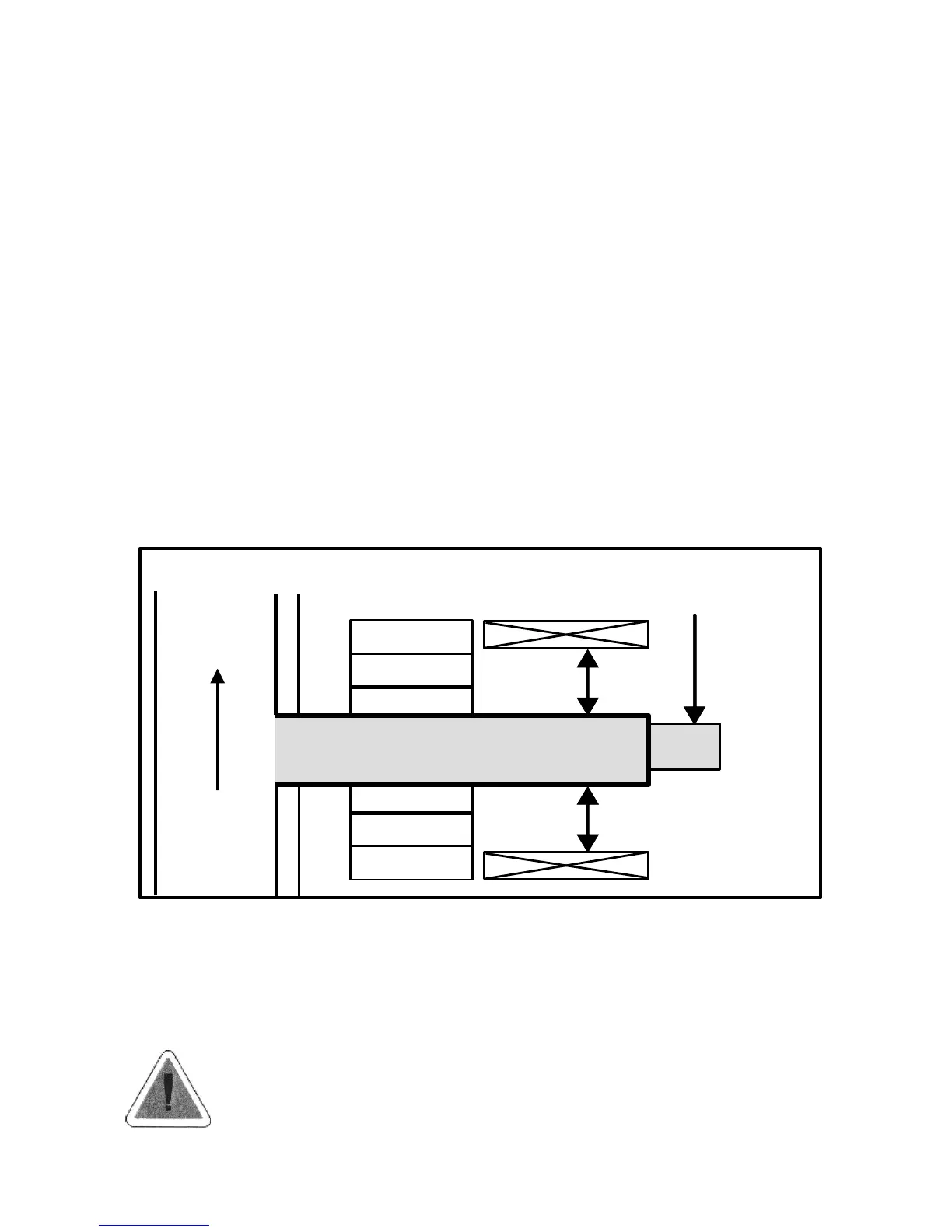
Burning Appliances and Equipment guidelines and methods. See diagram below.
Fresh air
Modern, well-insulated buildings should have fresh-air vents to admit fresh air from outside.
Modern buildings are now so well insulated that the volume of air indoors can be low. A
regular supply of air to the building from outside prevents negative pressure indoors.
For rear venting or other not listed configurations, consult the local building codes and
follow
the NFPA 211 or CAN/CSA-B365, Installation Code for Solid-Fuel-Burning Appliances and
Equipment guidelines. If the chimney connector is fitted
with a baffle, it must be manually
operated, visibly placed for ease of use, and must not
close completely. Consult your chimney
expert if you have any questions.
Make sure that there is easy access to the chimney cleanout door.
Read the instructions on page 7 carefully before connecting: "Chimney
Connector Systems and Clearances from Combustible Walls for
Residential Heating Appliances".



 To Next Page