EasyManua.ls Logo

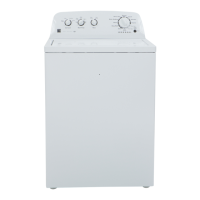
Kenmore 2002 Series - User Manual

Kenmore 2002 Series
52 pages
Print Icon
To Next Page IconTo Next Page
Loading...
Use & Care Guide
Manual de uso y cuidado
Guide d'Ufilisation et d'Entretien
English / Espa_oJ / Fran_ais
TabJe of Contents / indice / TabJe des mati_res ...... 2
ModeJs/ModeJos/Mod_Jes: 2002 _, 2110 _, 2111_, 2118 _, 2120 _, 2129 _, 5072 _
Ke
®
ing Washer
@
carga
............®veus÷ " rge÷ent par ÷ dessus
¢: = color numlllser_ nOmero de color_ le num@o de la couleur
P/N W10280511F
Sears Brands Management Corporation
Hoffman Estates, IL 60179 U.S.A.
www.kenmore.com
www0sears.com
Sears Canada inc.
Toronto, Ontario, Canada MSB 2B8
www.sears.ca

Other manuals for Kenmore 2002 Series

Questions and Answers

  • D
    David BurkeAug 18, 2025
    Why is my Kenmore 2002 not draining or spinning and loads are still wet?
    • J
      Jesus CarneyAug 18, 2025
      Your Kenmore washer may not be draining or spinning properly, leaving loads wet, for several reasons. Small items might be caught in the pump or between the basket and tub, slowing drainage; adding a 2nd Rinse to the selected cycle can help. Using cycles with lower spin speeds removes less water than high-speed cycles, so select the recommended cycle/speed spin for your garment. Reduce load size to improve water removal, as tightly packed loads prevent proper spinning. Ensure the drain hose is correctly installed, not taped over, and not clogged. Always measure and follow detergent directions; too much detergent can cause extra suds. To remove these extra suds, select Rinse/Spin without adding detergent.
  • S
    susan08Aug 23, 2025
    Why Kenmore 2002 Washer stops mid cycle?
    • S
      Sara GrahamAug 23, 2025
      The lid of your Kenmore Washer must be closed for it to operate. The washer also pauses during certain phases of the cycle, so avoid interrupting it. If the washer is tightly packed, this can prevent it from running correctly. Remove several items, rearrange the load evenly in the basket, close the lid, and press START/PAUSE/Unlock Lid. Avoid adding more than 1 or 2 additional items after the cycle has started. Adding extra water to the washer is not recommended.
  • J
    Jose GilbertAug 26, 2025
    What to do if my Kenmore 2002 won't run or fill?
    • A
      Anthony BenderAug 26, 2025
      If your Kenmore Washer won’t run or fill, or stops working, start by checking the power supply. Ensure the power cord is plugged into a grounded 3-prong outlet and that the outlet has power. Avoid using an extension cord. Also, reset any tripped circuit breakers or replace blown fuses. Note that the lid must be closed for the washer to run, and the washer will pause during certain cycles. If the washer is tightly packed, remove several items and rearrange the load evenly. Do not add more than 1 or 2 additional items after a cycle has started, and do not add more water to the washer.
  • J
    john84Aug 28, 2025
    How to fix wet loads after spin cycle in Kenmore 2002 Washer?
    • R
      Rebecca GravesAug 28, 2025
      If loads are still wet after a wash in your Kenmore Washer, make sure to empty pockets and use garment bags for small items to prevent them from getting caught in the pump. Cycles with lower spin speeds remove less water, so use the recommended cycle and spin speed for your garments. To remove extra water, select the Drain/Spin cycle. Also, ensure the drain hose is correctly installed and not clogged. Too much detergent can also slow down draining and spinning, so always measure and follow detergent directions. To remove extra suds, select Rinse/Spin without adding detergent.
  • O
    Olivia CooperAug 30, 2025
    What to do if my Kenmore 2002 won’t run or fill, or stops working?
    • J
      John EricksonAug 30, 2025
      If your Kenmore washer isn't running, filling, or stops mid-cycle, check the following: Ensure the power cord is plugged into a grounded 3-prong outlet and avoid using extension cords. Verify there's power to the outlet, and reset any tripped circuit breakers or replace blown fuses. Note that if problems persist, contact an electrician. Make sure the lid is closed for the washer to operate. The washer may pause during certain cycle phases or to reduce suds; avoid interrupting the cycle. If the washer spins the load before filling to determine load size, remove several items and rearrange the load evenly. Do not add more than 1 or 2 additional items after a cycle has started, and do not add more water to the washer.
  • C
    christopher33Sep 2, 2025
    Why is my Kenmore 2002 load not rinsed properly?
    • H
      hjohnsonSep 2, 2025
      If your Kenmore washer load isn't rinsing properly, make sure the hot and cold inlet hoses are not reversed. Both hoses must be attached and have water flowing to the inlet valve, and both hot and cold water faucets must be on. Check that the inlet valve screens on the washer are not clogged and remove any kinks in the inlet hose. Too much detergent can cause excessive suds, preventing the washer from operating correctly, so always measure detergent and follow directions based on load size and soil level. Load garments in loose heaps evenly around the basket wall, use a cycle designed for the fabrics being washed, and add only 1 or 2 garments after the washer has started.
  • T
    Tina AllenSep 4, 2025
    Why are there incorrect or wrong wash or rinse temperatures in my Kenmore 2002 Washer?
    • J
      James BruceSep 4, 2025
      If you're experiencing incorrect wash or rinse temperatures with your Kenmore washer, first ensure that the hot and cold inlet hoses are not reversed. Both hoses must be attached to both the washer and faucet, with both hot and cold water flowing to the inlet valve. Check that the inlet valve screens are not clogged, and remove any kinks in the hoses. Also, be aware that Energy Star washers use cooler wash temperatures than older models, including cooler hot and warm washes, and all rinses are cold.
  • N
    Nicholas WoodsSep 7, 2025
    How to prevent fabric damage in Kenmore Washer?
    • D
      Danielle NguyenSep 7, 2025
      To prevent fabric damage in your Kenmore washer, empty pockets, zip zippers, and snap or hook fasteners before washing to avoid snags and tears. Tie all strings and straps before starting a wash load. Load garments in loose heaps evenly around the basket wall, and use a cycle designed for the fabrics being washed.
  • R
    rporterSep 9, 2025
    Why is my laundry load tangling in Kenmore 2002 Washer?
    • G
      Gregory DunnSep 9, 2025
      To address tangling in your Kenmore washer, see “Using Your Washer” section. Select a cycle with a slower wash action and spin speed; however, items will be wetter than those using a higher speed spin. Load garments in loose heaps evenly around the basket wall. Reduce tangling by mixing types of load items and using the recommended cycle for the type of garments being washed.
  • T
    Tyler GreenSep 12, 2025
    Why are there dry spots on load after cycle in my Kenmore 2002 Washer?
    • C
      ckingSep 12, 2025
      The high spin speeds combined with air flow during the final spin can cause items near the top of the load to develop dry spots during the final spin. This is normal because high speed spins extract more moisture than your previous washer.

Summary

Washer Safety

Important Safety Instructions

Basic precautions to reduce risk of fire, electric shock, or injury.

State of California Proposition 65 Warnings

Product warnings related to cancer and reproductive harm.

Whats New Under the Lid?

Lid Lock

Explains lid locking mechanism for high spin speeds and pausing.

Sensing

Describes load balancing check via spins, clicks, and whirring noise.

Sounds

Details cycle stage sounds and pauses different from older washers.

Spray Rinse

Explains spray rinse function and checking "Cycle Guide" for details.

Control Panel and Features

Load Size

Selects water amount for load size, ensures free movement of items.

Wash Temp

Senses and maintains water temperature for washing based on fabric type.

Rinse Options

Options like One Rinse, 2nd Rinse, and with Fabric Softener.

Wash Cycle Knob

Used to select wash cycles; refer to "Cycle Guide" for details.

Start;Pause;Unlock Lid Button

Button to start, pause, or unlock lid; note on unlocking time.

Cycle Status Lights Indicator

Sensing

Describes washer filling, lid locking, and operation after closing lid.

Wash

Details agitator movement, motor sounds, and wash time determination.

Rinse

Mentions rinse sounds, motor turning, fabric softener addition, and spray rinsing.

Spin

Explains washer spinning at increasing speeds for water removal.

Cycle Complete

Indicates cycle completion; prompt removal of load is advised.

Lid Locked

Describes lid locking for high spin speeds and how to unlock.

Cycle Guide

Heavy Duty Super

Cycle for heavily soiled white fabrics.

Heavy Duty Regular

Cycle for normally soiled or sturdy fabrics; can clean washer interior.

Normal Super

Cycle for heavily soiled cottons and mixed fabric loads with spray rinse.

Normal Regular

Cycle for normally soiled cottons and mixed fabric loads with spray rinse.

Normal Light

Cycle for lightly soiled cottons and mixed fabric loads with spray rinse.

Normal Express

Cycle for lightly soiled fabrics with spray rinse.

Casual

Cycle for no-iron fabrics like sport shirts, blouses, casual wear.

Delicates

Cycle for lightly soiled garments like silks or lingerie, with spray rinse.

Rinse;Spin

Combines rinse and spin for loads needing extra rinse or to complete a load.

Drain;Spin

Uses spin to shorten drying time for heavy fabrics; drains washer after canceling.

Soak

Cycle to soak small spots of set-in stains; intermittent agitation.

Using Your Washer

Sort and Prepare Your Laundry

Instructions for sorting, preparing laundry, closing zippers, mending rips.

Add Laundry Products

Instructions for adding detergent, boosters, or fabric softener.

Loading and Adding Products

Load Laundry into Washer

Guidance on loading garments evenly, avoiding tight packing, and free movement.

Add Liquid Chlorine Bleach to Dispenser

Instructions for adding liquid chlorine bleach to the dispenser.

Add Fabric Softener to Dispenser

Instructions for adding fabric softener to dispenser or manually during rinse.

Select Cycle

Instructions to turn cycle knob to choose wash cycle, refer to "Cycle Guide".

Selecting Wash Settings

Select Load Size

Selects load size setting for appropriate water amount and item movement.

Select Wash Temp

Selects wash temperature by turning knob, instructions for fabric care.

Select Options (on some models)

Selects desired cycle options, including fabric softener options.

Press Start;Pause;Unlock Lid

Instructions to start cycle, status lights, and how to unlock lid to add garments.

Washer Maintenance

Water Inlet Hoses

Information on replacing inlet hoses after 5 years to reduce risk of failure.

Washer Care

Recommendations for keeping washer clean and performing optimally.

Cleaning Your Top Loading Washer

Routine cleaning procedure to control soil and detergent buildup.

Recommended Cycle for Cleaning the Washer

Suggests using "Cycle Guide" for optimal cleaning cycle with cleaner or bleach.

Cleaning the Dispensers

Instructions for cleaning residue buildup in dispensers with a damp cloth.

Cleaning the Outside of the Washer

Advice on wiping spills with a soft cloth and mild soap.

Non-Use and Vacation Care

Steps for washer care when not in use or during vacation.

Winter Storage Care

Instructions for winterizing the washer to prevent damage from freezing.

Transporting Your Washer

Reinstalling;Using Washer Again

Troubleshooting

Vibration or Off-Balance

Addresses causes and solutions for washer vibration or off-balance loads.

Noises

Explains common noises like clicking, gurgling, or humming during operation.

Water Leaks

Discusses causes and checks for water leaks from fill hoses, drain connections, or plumbing.

Washer Not Performing as Expected

Covers issues like won't run/fill, stops working, or wash light remains on.

Washer Not Draining;Spinning, Loads Are Still Wet or Spin Light Remains On

Solutions for issues with draining, spinning, or wet loads.

Dry Spots on Load After Cycle

Explains normal occurrence of dry spots due to high spin speeds.

Incorrect or Wrong Wash or Rinse Temperatures

Addresses temperature issues due to Energy Star settings or reversed hoses.

Load Not Rinsed

Solutions for loads not rinsing properly, related to detergent or load size.

Sand, Pet Hair, Lint, etc. on Load After Washing

Explains how residue appears and suggests additional rinsing.

Load is Tangling

Causes and solutions for load tangling, related to packing and cycle selection.

Not Cleaning or Removing Stains

Addresses issues with cleaning performance due to detergent, cycle, or loading.

Incorrect Dispenser Operation

Issues with dispenser use, clogging, or product addition.

Fabric Damage

Causes of fabric damage like sharp items, tangling, or tight packing.

Odors

Causes of odors and maintenance recommendations.

Lid Locked Light is Flashing

Explains flashing lid lock light due to lid not being closed or cycle pause.

Single-Dose Laundry Packet Not Dissolving

Correct method for adding laundry packets to avoid dissolution issues.

Protection Agreements

Master Protection Agreements

Information on extended service agreements and their benefits.

Sears Installation Service

Contact information for professional appliance installation services.

Kenmore Appliance Warranty

One Year Limited Warranty

Details of the one-year limited warranty coverage and exclusions.

Disclaimer of Implied Warranties; Limitation of Remedies

Legal disclaimers on warranties and remedies.

Kenmore 2002 Series Specifications

General IconGeneral
ColorWhite
Number of Wash Cycles12
Maximum Spin Speed700 RPM
Control TypeElectronic
Voltage120 V
Washer TypeTop Load
Height43 inches

Related product manuals