EasyManua.ls Logo

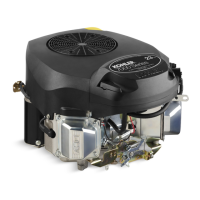
Kohler KT745 - Service Manual

Kohler KT745
96 pages
Print Icon
To Next Page IconTo Next Page
Loading...
132 690 03 Rev. I KohlerEngines.com
Service Manual
2 Safety
3 Maintenance
5 Speci cations
21 Tools and Aids
24 Troubleshooting
28 Air Cleaner/Intake
30 Fuel System
49 Governor System
50 Lubrication System
52 Electrical System
59 Starter System
63 Emission Compliant Systems
66 Disassembly/Inspection and Service
79 Reassembly
IMPORTANT: Read all safety precautions and instructions carefully before operating equipment. Refer to operating
instruction of equipment that this engine powers.
Ensure engine is stopped and level before performing any maintenance or service.
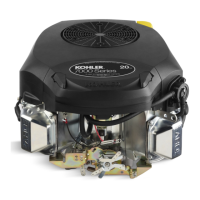
KT610-KT620, KT715-KT745

Other manuals for Kohler KT745

Questions and Answers

  • C
    Cynthia RussellNov 21, 2025
    How to fix Kohler KT745 Engine when it cranks but will not start?
    • J
      Joseph MarshNov 21, 2025
      If your Kohler Engine cranks but doesn't start, several factors could be at play. First, check if the fuel tank is empty and refill it if needed. Ensure the fuel shut-off valve is open. Inspect the choke to make sure it is closing properly. Examine the battery connections and reconnect if connected backwards. Replace the fuse if it's blown. Also, verify that the key switch or kill switch is in the ON position. Low oil level can also prevent starting, so check and refill if necessary. Replace the fuel with fresh quality fuel to eliminate issues with fuel quality. If these steps don't resolve the issue, further inspection of components like the carburetor solenoid, fuel line or filter, diode in the wiring harness, DSAI or DSAM, electronic control unit, ignition coil(s), spark plug(s), fuel p...
  • S
    Sarah SandovalAug 25, 2025
    Why Kohler KT745 Engine loses power?
    • P
      Paul OwensAug 26, 2025
      If your Kohler Engine loses power, start by cleaning or replacing the air cleaner element. Ensure the engine isn't overheating by allowing it to cool down. Reduce the engine load if it's excessive. Inspect and clear any restrictions in the exhaust system. Check and replace the spark plug(s) if faulty. Verify and adjust the crankcase oil level if it's too high. Adjust the governor setting if it's incorrect. If the battery is low, charge or replace it. Inspect the engine for compression issues if compression is low. Check and refill the crankcase oil if the level is low. Finally, replace the fuel with fresh quality fuel to rule out fuel issues.
  • E
    Emily WaltonAug 27, 2025
    What to do if Kohler KT745 starts but does not keep running?
    • H
      harristaraAug 27, 2025
      If your Kohler Engine starts but doesn't keep running, there are several possible causes. A faulty carburetor could be the issue, so inspect and replace it if necessary. Also, a faulty cylinder head gasket can cause this problem, requiring replacement. Adjust the choke or throttle controls if they are faulty or misadjusted. Inspect the fuel pump and hoses for any malfunctions or clogs. Look for intake system leaks and repair them. Loose wires or connections that intermittently ground the ignition kill circuit can also be the cause, so tighten them. Replace the fuel with fresh quality fuel to ensure fuel quality isn't the problem. Lastly, clean or replace the fuel tank cap if the vent is restricted.
  • J
    John RyanAug 27, 2025
    What causes Kohler KT745 will not crank?
    • C
      Crystal Johnson DVMAug 27, 2025
      If your Kohler Engine will not crank, it could be due to several reasons. The battery might be discharged, so try charging or replacing it. Inspect and replace the electric starter or solenoid if they are faulty. Check and replace the key switch or ignition switch if they are faulty. Make sure the interlock switch is not engaged or faulty. Tighten any loose wires or connections that might be grounding the ignition kill circuit. Check the pawls engagement. Finally, inspect the engine for seized components.
  • S
    sandovalrossAug 29, 2025
    Why Kohler KT745 starts hard?
    • S
      Samantha MedinaAug 29, 2025
      If your Kohler Engine starts hard, consider these potential causes: a clogged fuel line or fuel filter, which you should clean or replace. If the engine overheated, allow it to cool down. Inspect and replace the ACR mechanism if it's faulty. Adjust the choke or throttle controls if they are faulty or misadjusted. Inspect and replace the spark plug(s) if they are faulty. Replace the flywheel key if it's sheared. Inspect the fuel pump and hoses for any malfunctions. Check the interlock switch to ensure it is not engaged or faulty. Tighten any loose wires or connections that might be grounding the ignition kill circuit. Inspect the engine for compression issues if compression is low. Replace the fuel with fresh quality fuel. Finally, inspect the ignition system for a weak spark.
  • J
    Jennifer ByrdSep 18, 2025
    What causes Kohler KT745 Will Not Idle?
    • M
      Matthew RivasSep 18, 2025
      If your Kohler engine will not idle, it could be due to the engine overheating, faulty spark plugs, improperly set idle fuel adjusting needles or idle speed adjusting screw, inadequate fuel supply, low compression, poor fuel quality (dirt, water, stale, or improper mixture), or a restricted fuel tank cap vent.
  • C
    cdawsonSep 15, 2025
    Why Kohler Engine Knocks?
    • R
      Ryan SmithSep 15, 2025
      A knocking sound in your Kohler engine can be caused by excessive engine load, hydraulic lifter malfunction, incorrect oil viscosity/type, internal wear or damage, low crankcase oil level, or poor fuel quality (dirt, water, stale, or improper mixture).
  • O
    ogibsonSep 17, 2025
    What to do if Kohler KT745 Engine Will Not Crank?
    • C
      Cynthia FosterSep 18, 2025
      If your Kohler engine won't crank, it could be due to a discharged battery, a faulty electric starter or solenoid, a faulty key or ignition switch, an engaged or faulty interlock switch, loose wires intermittently grounding the ignition kill circuit, pawls not engaging in the drive cup, or seized internal engine components.
  • T
    Timothy BallardSep 7, 2025
    What causes Kohler KT745 Uses Excessive Amount of Oil?
    • J
      Jason RobinsonSep 7, 2025
      Excessive oil consumption in your Kohler engine could be due to loose or improperly torqued fasteners, a blown head gasket or overheating, a broken breather reed, a clogged or inoperative crankcase breather, an overfilled crankcase, incorrect oil viscosity/type, a worn cylinder bore, worn or broken piston rings, or worn valve stems/valve guides.
  • H
    harrischristopherSep 5, 2025
    How to troubleshoot Kohler KT745 Engine Starts Hard?
    • C
      Christina MartinezSep 5, 2025
      If your Kohler engine starts hard, the issue might stem from a clogged fuel line or fuel filter, the engine overheating, a faulty ACR mechanism, faulty or misadjusted choke or throttle controls, faulty spark plugs, a sheared flywheel key, a fuel pump malfunction (clogged or leaking vacuum hose), an engaged or faulty interlock switch, loose wires intermittently grounding the ignition kill circuit, low compression, poor fuel quality (dirt, water, stale, or improper mixture), or a weak spark.

Summary

Safety

Safety Precautions

General safety warnings and precautions before operating the engine.

Maintenance

Maintenance Instructions

Instructions and warnings for performing maintenance tasks on the engine.

Maintenance Schedule

Schedule of maintenance tasks based on operating hours.

Oil Recommendations

Guidance on selecting and using engine oil based on temperature.

Storage Procedures

Procedures for storing the engine for extended periods.

Fuel Recommendations

Requirements and guidelines for using gasoline in the engine.

Specifications

Engine Dimensions - Flywheel Side

Detailed measurements and diagrams of engine dimensions for various configurations.

Engine Dimensions - Oil Filter Side

Engine dimensions for Low Profile/High Performance Air Cleaner (Oil Filter Side).

Engine Dimensions - PTO End

Engine dimensions for Low Profile/High Performance Air Cleaner (PTO End).

Engine Identification Numbers

Details on engine model, serial, and specification identification.

General Specifications

Key engine specifications including bore, stroke, and displacement.

Torque Specifications

Recommended torque values for various engine fasteners and components.

Clearance Specifications

Specified clearances for engine components like camshaft, crankshaft, and piston rings.

Tools and Aids

Separate Tool Suppliers

List of suppliers for specialized tools and their contact information.

Tools List

Catalog of specific tools required for engine service and their part numbers.

Aids List

List of approved lubricants and sealants for engine assembly and maintenance.

Troubleshooting

Troubleshooting Guide

General guide to diagnose and resolve common engine starting and running issues.

Common Engine Issues

Categorized list of common engine problems and potential causes.

Crankcase Vacuum Test

Procedure for testing crankcase vacuum to diagnose engine issues.

Compression and Leakdown Tests

Methods for performing compression and cylinder leakdown tests on the engine.

Air Cleaner;Intake

Air Cleaner System Overview

Information on CARB/EPA certified air cleaner systems and components.

Air Cleaner Components Diagram

Diagram and identification of various air cleaner components.

Precleaner Servicing

Instructions for servicing the precleaner element of the air cleaner.

Paper Element Servicing

Instructions for servicing or replacing the paper element of the air cleaner.

Fuel System

Fuel Pump Replacement

Step-by-step guide for replacing the fuel pump on the engine.

Auto Choke Operation

Information on troubleshooting Smart-Choke or eChoke systems.

Fuel System Tests

Procedures for testing the fuel system to diagnose starting issues.

Carburetor Overview and Troubleshooting

General information about the carburetor and common troubleshooting checks.

Carburetor Adjustments

Procedures for adjusting idle speed and high speed settings on the carburetor.

High Altitude Operation

Information on operating the engine at high altitudes and required kits.

Smart-Choke System Operation

Explanation of the Smart-Choke system's operation and components.

Troubleshooting Smart-Choke Issues

Diagnosing and resolving issues related to the Smart-Choke system.

Electronic Choke (eChoke) System

Explanation of the eChoke integrated control system.

eChoke System Diagnostics

Standard checks, blink codes, and diagnostic routines for the eChoke system.

Starting Engine with eChoke

Procedure for starting an engine equipped with the eChoke system.

Unitized Throttle and Choke Control

Explanation of the unitized throttle and choke control system.

Starting with Unitized Controls

Procedure for starting an engine using unitized throttle/choke controls.

Governor System

Governor Overview

Overview of the governor system's function in maintaining engine speed.

Governor Components Diagram

Diagram and identification of governor system parts.

Governor Adjustments

Warnings and instructions regarding governor setting adjustments.

Lubrication System

Lubrication Components Diagram

Diagram and identification of lubrication system components.

Check Oil Level

Procedure for checking and maintaining the engine oil level.

Change Oil and Filter

Steps for changing the engine oil and oil filter.

Oil Sentry System Information

Information and testing procedures for the Oil Sentry™ pressure switch.

Electrical System

Spark Plugs

Information on spark plug inspection, service, and specifications.

Electronic Ignition Systems

Overview of electronic ignition system design and maintenance.

Battery Requirements and Testing

Information on battery requirements and testing procedures.

Ignition System Tests

Procedures for testing the electronic ignition system.

Battery Charging System Tests

Procedures for testing the battery charging system's performance.

Starter System

Troubleshooting Starting Difficulties

Common starting problems and their possible causes and conclusions.

Solenoid Shift Starters Overview

Explanation of how solenoid shift starters operate.

Starter Disassembly

Step-by-step instructions for disassembling the solenoid shift starter.

Starter Reassembly

Step-by-step instructions for reassembling the starter motor.

Solenoid Tests

Procedures for testing the starter solenoid's functionality.

Emission Compliant Systems

Evaporative Emission System

Information on the evaporative emission control system using a carbon canister.

Secondary Emission System

Information on secondary air induction (SAI) systems for emission compliance.

SAI System Operation and Maintenance

How the secondary air induction system works and its maintenance.

Disassembly;Inspection and Service

External Engine Components Overview

Diagram and identification of major external engine components.

Component Removal Procedures

Steps for removing spark plugs, oil, filter, muffler, fuel pump, housing, controls.

Air Cleaner, Carburetor, Starter, Ignition Removal

Procedures for removing air cleaner, carburetor, starter, and ignition modules.

Intake Manifold, Rectifier-Regulator, Cylinder Head Procedures

Steps for removing intake manifold, rectifier-regulator, and cylinder heads.

Valve Train Disassembly and Inspection

Procedures for removing and inspecting valve covers, heads, and valve train.

Flywheel, Crankshaft, and Piston;Rod Procedures

Steps for removing flywheel, crankshaft, oil pan, connecting rods, pistons, and rings.

Piston and Rings Inspection

Information on inspecting pistons and piston rings for wear and damage.

Reassembly

Flywheel End Oil Seal and Breather Cover Installation

Steps for installing the flywheel end oil seal and breather cover.

Stator, Backing Plate, and Flywheel Installation

Steps for installing the stator, backing plate, flywheel, and fan.

Connecting Rods, Pistons, Rings, and Valve Train Installation

Steps for installing connecting rods, pistons, rings, valve tappets, and camshaft.

Cylinder Head, Valve Cover, and Spark Plug Installation

Procedures for installing cylinder heads, valve covers, and spark plugs.

Ignition, Intake Manifold, and Carburetor Installation

Steps for installing ignition modules, intake manifold, and carburetor.

Starter Motor, Fuel Pump, and Oil Filter Installation

Procedures for installing starter motor, fuel pump, and oil filter.

Prepare and Test Engine for Operation

Final checks and testing procedures before operating the engine after reassembly.

Kohler KT745 Specifications

General IconGeneral
Fuel SystemCarburetor
Cooling SystemAir
Governor TypeMechanical
Ignition SystemElectronic
LubricationFull Pressure
Displacement747 cc
Power25 hp
Oil Capacity2.0 U.S. quarts (1.9 liters)

Related product manuals