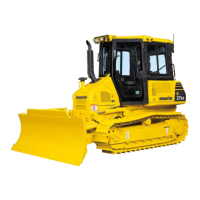
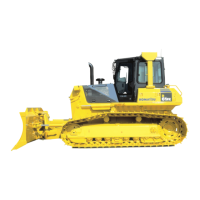
This document is an Operation & Maintenance Manual for Komatsu PC200, 200LC-7, PC210, 210LC-7, PC220, and 220LC-7 series hydraulic excavators. The manual, identified by part number YEAM200201, provides comprehensive guidelines for the safe and effective use and maintenance of these machines.
Function Description
The Komatsu hydraulic excavators covered by this manual are designed for a variety of heavy-duty construction tasks. Their primary functions include:
- Digging work: Excavating earth and other materials.
- Leveling work: Preparing surfaces to a desired grade.
- Ditching work: Creating trenches and drainage channels.
- Loading work: Lifting and moving materials onto trucks or other transport.
- Demolition work: Breaking down structures.
The manual emphasizes that these are the main applications, with further details available in the "RECOMMENDED APPLICATIONS (PAGE 3-97)" section.
Important Technical Specifications
The manual lists specific serial number ranges for the covered models, indicating the applicability of the document:
- PC200-7: DBB0001 and up
- PC200LC-7: DBE0001 and up
- PC210-7: DBF0001 and up
- PC210LC-7: DBG0001 and up
- PC220-7: DBH0001 and up
- PC220LC-7: DBJ0001 and up
The manual also provides information on the location of the machine serial number plate (bottom right of the operator's cab) and the engine serial number plate (top of the No.1 cylinder head cover, with the EPA auxiliary nameplate on the No. 5 cylinder head cover). The service meter is located on top of the machine monitor.
For electrical safety, the manual specifies minimum safety distances from high-voltage cables:
- 100V - 200V (Low voltage): 2m
- 6,600V (Low voltage): 2m
- 22,000V: 3m
- 66,000V: 4m
- 154,000V (Very high voltage): 5m
- 187,000V (Very high voltage): 6m
- 275,000V (Very high voltage): 7m
- 500,000V (Very high voltage): 11m
Usage Features
The manual highlights several key usage features and operational guidelines:
- Safety First: Operators and maintenance personnel are required to read and understand the manual and all safety labels before operation or maintenance. Safety messages are categorized with signal words: DANGER (imminent hazard, death/serious injury), WARNING (potential hazard, death/serious injury), and CAUTION (potential hazard, minor/moderate injury).
- Operator's Cab Orientation: The terms "front," "rear," "left," and "right" refer to the travel direction as seen from the operator's cab when facing forward, with the sprocket at the rear.
- Manual Storage: The Operation and Maintenance Manual must be kept in the magazine box on the left side of the operator's seat for easy reference.
- Machine Compliance: Komatsu machines are delivered in compliance with the regulations and standards of the shipping country. Users are advised to consult their Komatsu distributor if the machine was purchased from another country to ensure local compliance.
- Emergency Exit: In case the cab door cannot be opened, the rear window serves as an emergency escape route.
- Visibility: Operators must check for persons and obstacles around the machine and ensure good visibility. Working lamps and front lamps should be used in dark places, and additional lighting set up if necessary. Operations should cease if visibility is poor due to mist, snow, rain, or dust.
- Work Equipment Combinations: Users are advised to check for potential interference between work equipment and other machine parts, especially with unfamiliar equipment, and operate with caution.
- Prohibited Modifications: Any unauthorized modifications can create hazards, and Komatsu will not be responsible for issues arising from such changes.
- Attachment Handling: Specific sections detail the handling of various attachments, including buckets with hooks, rubber pad shoes, road liners, trapezoidal buckets, extension arms, and clamshell buckets.
- Cold Weather Operation: Dedicated sections provide information on operation and maintenance in cold weather conditions, including automatic warming-up procedures.
- Troubleshooting: The manual includes guidance for common issues such as running out of fuel, phenomena that are not failures, towing the machine, and handling a discharged battery.
Maintenance Features
The manual provides extensive information on maintenance to ensure the longevity and safe operation of the excavator:
- Safety Labels: Instructions are given for understanding and maintaining safety labels, including replacement if damaged or unreadable.
- Working Wear and Protective Items: Personnel must wear appropriate safety gear (hard hat, safety shoes, glasses, mask, gloves, ear plugs, safety belt) and avoid loose clothing.
- Fire Extinguisher and First Aid Kit: Users are required to have fire extinguishers and first aid kits readily available, ensure they are in working order, and perform periodic checks.
- Machine Cleanliness: The machine, especially the electrical system and operator's compartment, must be kept clean to prevent malfunctions, slips, and injuries.
- Leaving Operator's Seat: Before leaving the seat, the work equipment must be lowered to the ground, the safety lock lever set to LOCK, and the engine stopped. The key should be removed and kept in a specified place.
- Handrails and Steps: Always use handrails and steps, maintaining three-point contact, and keep them clean and free of oil, grease, or mud. Do not grip control levers when mounting/dismounting.
- Burn Prevention: Precautions are detailed for handling hot coolant and oil, emphasizing waiting for components to cool down and slowly releasing pressure before opening caps.
- Fire Prevention: Guidelines include not smoking near fuel/oil, stopping the engine before refueling, tightening caps, avoiding spills on hot surfaces, using well-ventilated areas for storage, cleaning up spills, and removing flammable materials before welding/grinding. Non-flammable oil should be used for cleaning parts.
- Electrical System Maintenance: Electrical connections must be kept clean and tight, and wiring checked daily for damage.
- High-Pressure Systems: Safety rules are provided for handling high-pressure grease (for track tension adjustment) and high-pressure hoses, and for working with accumulators (never drill, cut, hit, or disassemble, keep away from open flame).
- Asbestos Dust Hazard Prevention: Measures include spraying water to keep dust down, operating from an upwind position, using approved respirators, and ensuring only genuine Komatsu parts are used.
- Maintenance Schedule: The manual includes a detailed maintenance schedule chart, covering intervals such as initial 250 hours, when required, before starting, every 100 hours, every 250 hours, every 500 hours, every 1000 hours, every 2000 hours, every 4000 hours, and every 5000 hours.
- Lubricants, Coolant, and Filters: Information is provided on handling oil, fuel, coolant, and performing oil clinic, as well as proper selection based on ambient temperature.
- Tightening Torque Specifications: A list of tightening torques is included for various components.
- Periodic Replacement of Safety Critical Parts: A section is dedicated to the replacement of parts crucial for safety.
- Two-Worker Maintenance: For maintenance with the engine running, two workers are required.
- Proper Tools: The importance of using proper tools for maintenance is emphasized.
- Waste Materials: Guidelines for handling and disposing of waste materials are included.
- Air Conditioner Maintenance: Specific instructions for maintaining the air conditioning system are provided.
- Compressed Air: Safety precautions for using compressed air are outlined.

 Need help?
 General

 To Next Page