
 Need help?
Do you have a question about the La Crosse Technology 925-1418 and is the answer not in the manual?
Instructions for securing the sensor shield base to a flat surface using a screw.
Guide to attaching the shield bracket to a wall or post via screws or zip ties.
Steps for attaching the sensor with Velcro or zip tie and placing it inside the shield.
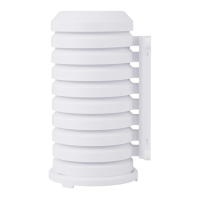
The Sensor Weather Shield is a protective enclosure designed to safeguard outdoor sensors from environmental elements, primarily rain and snow, while offering limited protection from the sun's heat. This device is compatible with various types of sensors, including temperature sensors, temperature/humidity sensors, and probe sensors, ensuring their longevity and accurate operation in diverse weather conditions.
The primary function of the Sensor Weather Shield is to create a barrier between the delicate electronic components of an outdoor sensor and harsh weather. By deflecting rain and snow, it prevents moisture ingress that could lead to corrosion, short circuits, or malfunction of the sensor. While its main purpose is protection from precipitation, the shield also provides a degree of thermal insulation, mitigating extreme temperature fluctuations caused by direct sunlight. This limited sun protection helps maintain a more stable microclimate around the sensor, which can contribute to more consistent readings, although it is not designed for comprehensive solar radiation shielding. The design incorporates multiple louvered vents that allow for air circulation, preventing heat buildup within the shield while still keeping out precipitation. This balance is crucial for accurate ambient temperature and humidity measurements. For probe sensors, a dedicated hole in the base allows the probe wire to pass through, ensuring the sensor itself remains protected within the shield while the probe extends to its measurement point.
The Sensor Weather Shield offers versatile mounting options and straightforward sensor insertion, making it user-friendly for various outdoor setups.
The shield can be mounted in two primary ways: to a flat surface or to a wall/post.
Mounting to a Flat Surface:
Mounting to a Wall or Post:
Inserting a sensor into the shield is a simple process designed to secure the sensor and ensure its proper functioning.
The Sensor Weather Shield is designed for minimal maintenance, focusing on durability and ease of access for sensor management.
In summary, the Sensor Weather Shield is a practical and essential accessory for anyone using outdoor sensors. Its protective capabilities, combined with user-friendly mounting and sensor insertion features, ensure that sensors remain functional and accurate, providing reliable data regardless of the weather. The design prioritizes ease of use and durability, making it a low-maintenance solution for outdoor environmental monitoring.
 General
| Type | Wireless Weather Station |
|---|---|
| Indoor Temperature Range | 32°F to 122°F (0°C to 50°C) |
| Outdoor Temperature Range | -40°F to 140°F (-40°C to 60°C) |
| Display | LCD |
| Model Number | 925-1418 |
| Color | Black |
| Material | Plastic |
| Power | 2 AA batteries (not included) |
| Compatible Models | LTV-W1 sensor |


 To Next Page