
 Need help?
Do you have a question about the La Crosse Technology TX145R and is the answer not in the manual?
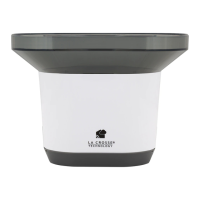
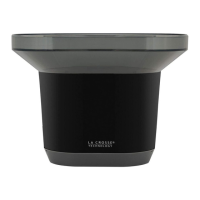
This manual describes the TX145R Rain Sensor, a device designed to measure rainfall and transmit this data to a compatible weather station. The rain sensor is intended for outdoor use and is built to provide accurate rainfall readings when properly installed and maintained.
The primary function of the TX145R Rain Sensor is to collect and measure rainfall. It features a funnel that directs rainwater into a tipping bucket mechanism. As the bucket fills to a specific level, it tips, registering a unit of rainfall, and then empties, ready to collect more rain. This tipping action is detected by the sensor, and the accumulated rainfall data is then transmitted wirelessly to a connected weather station. The sensor operates on battery power, ensuring portability and ease of placement in optimal outdoor locations. The design includes drainage holes at the bottom, allowing the sensor to self-empty after rainfall, preventing water accumulation and ensuring continuous, accurate operation.
To begin using the rain sensor, the user must first power it up. This involves removing the funnel and inserting two "AA" batteries into the designated battery compartment. Once powered, the sensor is ready for mounting. Proper mounting is crucial for accurate readings. The sensor should be placed horizontally and ensured to be level, ideally more than three feet above the ground. It is important to select an open area for placement, free from obstructions that might interfere with rainfall collection, such as trees, overhangs, or buildings. The base of the sensor should not be in a depression where water might collect, as this could affect the accuracy of the readings or the sensor's self-emptying function. For visual guidance on mounting, a dedicated video resource is provided.
Once mounted and powered, the rain sensor will begin collecting rainfall data. The collected data is then transmitted wirelessly to a compatible weather station. The manual emphasizes that users should refer to their specific weather station's manual for instructions on how to read and interpret the rain sensor data displayed on the station itself. This ensures that users can effectively monitor rainfall patterns and amounts. The device is designed for ease of use, with a straightforward setup process that allows users to quickly integrate it into their existing weather monitoring system.
Maintaining the TX145R Rain Sensor is essential for its longevity and continued accuracy. The manual provides several key care and maintenance guidelines. Battery management is a critical aspect of maintenance. Users are advised not to mix old and new batteries, nor to mix different types of batteries (Alkaline, Lithium, standard, or rechargeable). It is important to always purchase the correct size and grade of battery suitable for the intended use. Before installing new batteries, users should clean both the battery contacts on the sensor and the battery terminals themselves to ensure a good connection. Batteries must be inserted with the correct polarity. If the equipment will not be used for an extended period, batteries should be removed to prevent potential leakage and damage. Promptly removing expired batteries is also recommended for the same reason.
Beyond battery care, the physical placement and condition of the sensor contribute to its maintenance. Ensuring the sensor remains level and in an open area helps maintain its accuracy. The self-emptying design, with drainage holes, is a built-in maintenance feature that prevents water accumulation. Regular checks of the sensor's location and ensuring it is free from debris that could block the funnel or drainage holes will help ensure optimal performance. The device is designed to be robust, but adherence to these simple care and maintenance practices will help prolong its operational life and ensure reliable rainfall measurements.
 General
| Sensor Type | Temperature and Humidity |
|---|---|
| Temperature Range | -40°F to 140°F (-40°C to 60°C) |
| Frequency | 433 MHz |
| Power Source | 2 x AA batteries (not included) |
| Humidity Range | 10% to 99% |
| Transmission Range | Up to 300 feet (91 meters) in open space |
| Weight | 2.4 ounces (68 grams) |
| Battery Life | Approximately 2 years |


 To Next Page