18 19
7. TROUBLESHOOTING
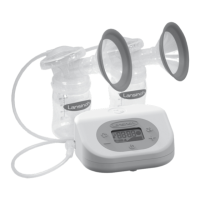
Troubleshooting the Lansinoh
®
Smartpump
™
Double Electric Breast Pump
Interruption of Electrical Service
If you experience an interruption in the normal operation of the electrical and/or
mechanical functioning of the pump, simply do the following:
●
Unplug the AC adapter cord from the electrical outlet.
●
Wait a few seconds, and then plug the AC adapter cord back into the electrical outlet.
If you still experience electrical failure, try using the pump with the six AA batteries
making sure the AC adapter is removed.
Discomfort While Pumping
If you feel any discomfort, you may need a dierent size ange.
Visit www.lansinoh.com/store or call 800-292-4794.
Decreased Suction
If it feels like the suction has decreased, try the following:
●
Remove the tubing from pump and place a nger over the tubing connector.
●
If you feel suction, the pump is operating properly, but the Breastmilk Expression
Set may not be correctly assembled or the white valve may be damaged.
●
Make sure the Breastmilk Expression Set has been properly assembled.
Check the assembly information in the section “Assembling the Breastmilk
Expression Set,” page 10-12.
●
Inspect the white valve for a tear or pinhole. This component is critical to
achieving proper suction. Replace the white valve with one of the spare
valves provided with the product.
●
If no suction is felt on your nger, try unplugging the adapter from the electrical
outlet, wait a few seconds, and plug it back into the electrical outlet.
●
When single pumping, check the tubing connector on the front of the pump to make sure
it is closed for single pumping. If open, close the connector.
●
If double pumping, ensure that the Breastmilk Expression Set is securely connected on
both breasts before starting the pump.
Increased suction level for single pumping:
If it feels like the suction is higher than usual when single pumping, check that the plug for
the pipe is clean and that the airway in the plug is not blocked.
8. BREASTMILK STORAGE GUIDELINES
Breastmilk Storage and Thawing Guidelines For Healthy Term Babies
Check with your healthcare provider or an International Board Certied Lactation
Consultant for specic storage instructions. When freezing, store in the back of the
freezer and do not store milk in the door as temperature can uctuate as the door is
opened and closed.
Date all breastmilk and use the oldest breastmilk rst.
Thawing
Thaw frozen milk in the refrigerator or place the containers under cool running
water, gradually warming the water until the milk is thawed. Thawed milk can be
kept in a refrigerator for up to 24 hours.
Gently swirl thawed milk before feeding to baby to mix the layers that have
separated. Breastmilk is not homogenized and the “cream” will rise to the top of
the bottle. Breastmilk can vary in color and consistency depending upon the time of
the day that the milk was expressed, what you have eaten, and the age of the baby
at the time of pumping.
NOTE: DO NOT refreeze milk once it is thawed.
NOTE: DO NOT MICROWAVE HUMAN MILK! Microwaving alters the
composition of the milk. Microwaving also may create “hot spots” in the milk
that could burn the infant.
NOTE: DO NOT thaw breastmilk in hot or boiling water.
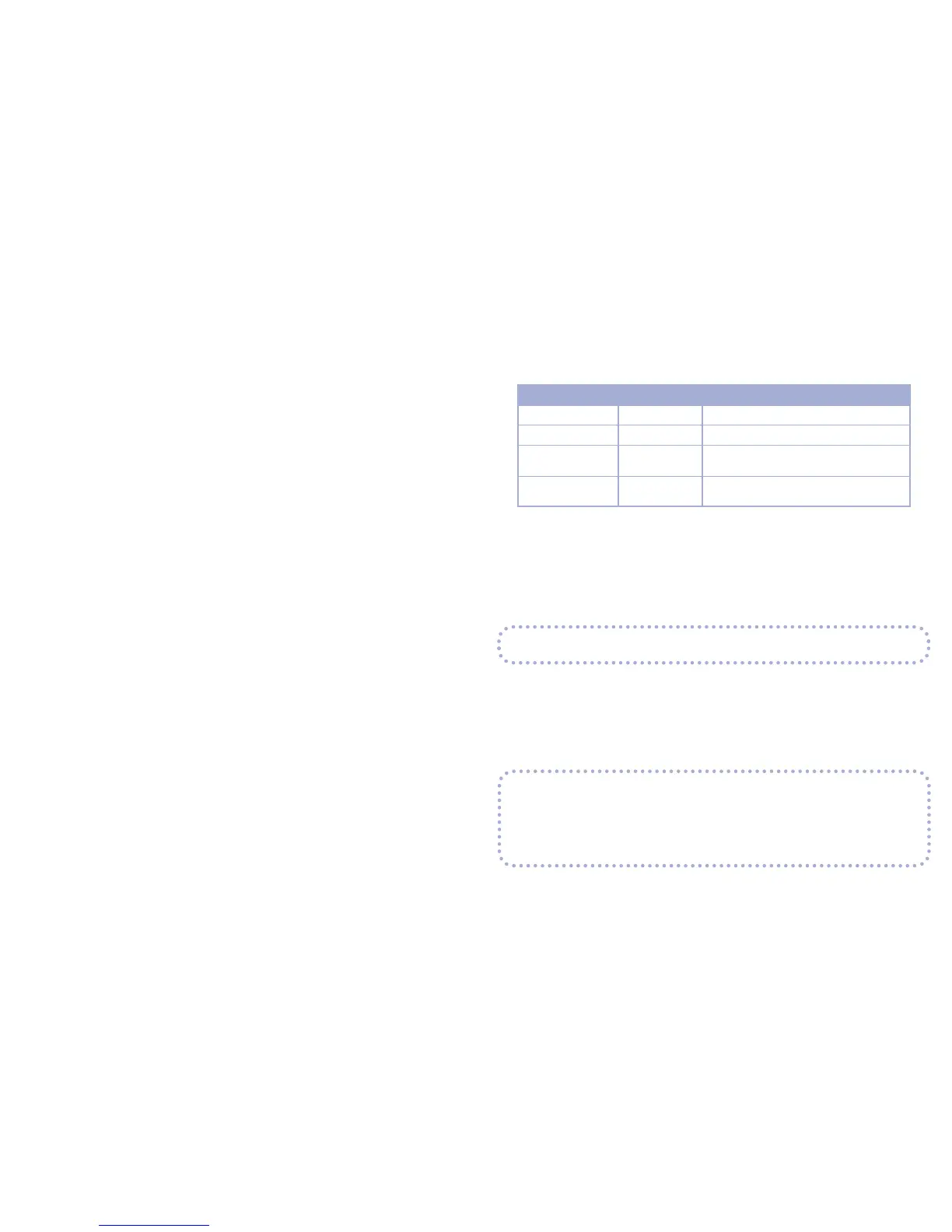
WHERE TEMPERATURE TIME
At Room Temperature 66-78°F (19-26°C) 4 hours (ideal) up to 6 hours (acceptable)
In a Refrigerator <39°F (<4°C) 72 hours (ideal) up to 8 days (acceptable)
Freezer 0°F (-18°C) 3 months (ideal) up to
6 months (acceptable)
Deep Freezer -4°F (-20°C) 6 months (ideal) up to
12 months (acceptable)
Source: La Leche League International 2014






 To Next Page