4
1. Smoke Alarm: What To Do When the Alarm Sounds
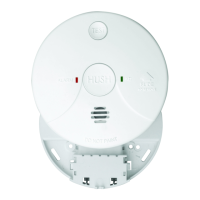
Smoke alarm pattern is three long beeps, a 1.5 second pause, and three long beeps repeating.
The red LED flashes every second during alarm.
• Alert small children in the home as well as anyone else who may have difficulty recognising the impor-
tance of the alarm sounding or who may have difficulty leaving the area without help.
• Leave immediately by your escape plan. Every second counts, so don’t waste time getting dressed or
picking up valuables.
• In leaving, don’t open any inside door without first feeling its surface. If hot, or if you see smoke seeping
through cracks, don’t open that door! Instead, use your alternate exit. If the inside of the door is cool,
place your shoulder against it, open it slightly and be ready to slam it shut if heat and smoke rush in.
• If the escape route requires you to go through smoke, stay close to the floor where the air is cleaner.
Crawl if necessary, and breathe shallowly through a cloth, wet if possible.
• Once outside, go to your selected meeting place and make sure everyone is there.
• Call the fire department from your mobile phone outside, or from your neighbour’s home-not from
yours!
• Don’t return to your home until the fire officials say that it is all right to do so.
• There are situations where a smoke alarm may not be effective to protect against fire.
For instance:
a) smoking in bed
b) leaving children home alone
c) cleaning with flammable liquids, such as petrol or methanol


 To Next Page