EN
26
In
more
detail...
MLM1737
by MacAllister
3. Never cut off more than one-third of the total length of the grass for a healthy
lawn. In the autumn, lawns should only be cut as long as there is growth.
4. Slowly push the product forward.
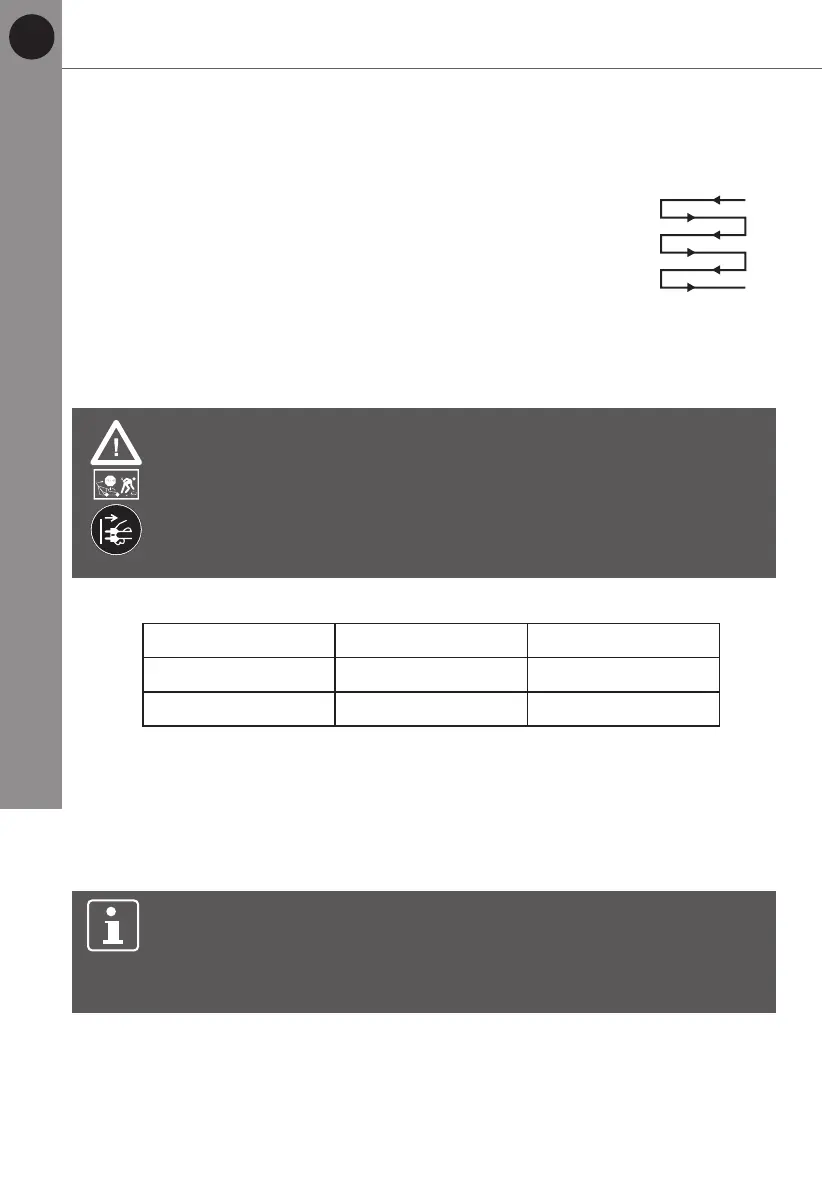
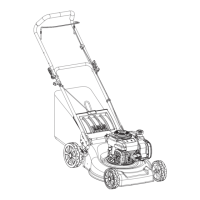
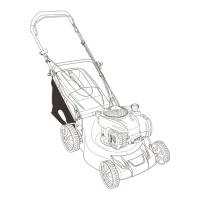
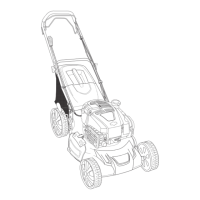
5. Mow in slight overlapping rows. The most effective pattern
for mowing lawns is straight lines along one of the sides.
This will keep the rows even and ensures that all the lawn is
cut without missing any spots (Fig. 18).
6.
Circle around flower beds. When reaching a flower bed in the
middle of the lawn, cut a row or two around the circumference of
the bed.
7. Pay special attention when changing direction.
8. Empty the grass catcher (8) regularly.
9. Prepare the product according to required application.
Grass collection
1. Remove the mulching insert (19) and attach the grass catcher (8).
2. Empty the grass catcher (8) regularly.
Mulching
1. Insert the mulching insert (19) into the rear discharge chute (18), make sure
the grass catcher (8) is not tted to the product.
2. Avoid mowing when the grass is wet from rain or dew. Wet grass may form
clumps which interfere with the mulching action and reduce runtime. The
best time to mow grass is late afternoon when the grass is dry and the newly
WARNING!
If the product strikes a foreign object stop immediately! Let
the product cool down and thoroughly inspect the product for damage!
Have any damage repaired before restarting!
Extensive vibration of the product during operation is an indication of
damage! The product should be promptly inspected and repaired!
Operation
NOTE:
Mulching means cutting and returning the grass clippings to
the lawn in one step: the grass clippings are cut very fine and then
distributed evenly back onto the lawn. Under normal conditions, the
mulched grass will biodegrade quickly to provide nutrients to the lawn.
Fig. 18
Function Grass catcher Mulching insert
Grass collection attached removed
Mulching removed inserted



 To Next Page