MILESTONE
USER MANUAL
Ethos EZ User manual MA073-006 Introduction Chapter -7-
FAST VESSELS AIR COOLING FOR HIGHER THROUGHPUT
The ETHOS EZ is equipped with a heavy duty air flow system, placed above the microwave
cavity. The air flow rapidly cools the external surfaces of the vessels. An acid resistant flexible
hose connects the exhaust fan to a fume hood ensuring a safe working environment.
ETHOS EZ FLEXIBILITY
Milestone offers a wide range of closed vessel rotors to completely answer to your needs. See
below a brief description of all the options.
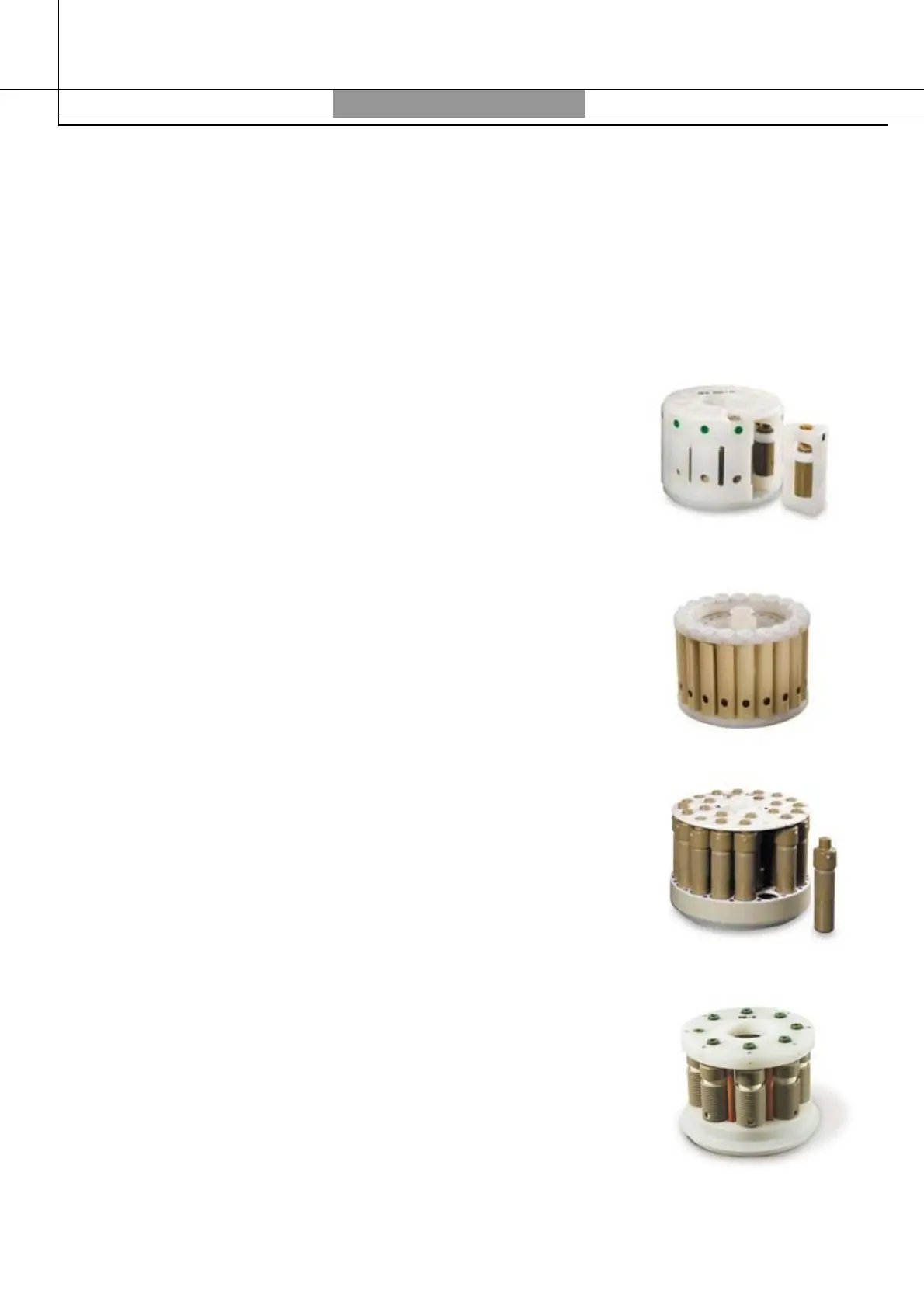
HIGH PRESSURE
The high strength SK rotor body holds up to 12 digestion vessels
made of high purity TFM, with a volume of 100 ml. These rotors
ensure complete digestion of any sample, including relatively
difficult organic and inorganic refractory materials.
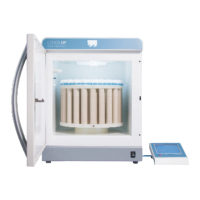
HIGH PURITY
The Q-20 rotor holds 20 high-purity quartz vessels and it offers
superior performances especially for ultra-trace analysis, with
unmatched ease of use and full control of all digestion parameters in
all vessels.
Minimal quantities of acid are needed, lowering the analytical blank.
Just 3 ml of nitric acid are sufficient to digest 250 mg of organics!
The Q-20 allows for the complete digestion of a variety of organic
samples, such as foods and feeds, plants, polymers,
pharmaceuticals, clinical, biological and oils.
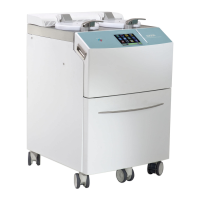
HIGH VERSATILITY
The PRO-24 is a very versatile rotor, suitable for easy organic
samples or environmental applications, according to the US EPA
method 3051A. It offers very easy handling and rapid cooling
capabilities.
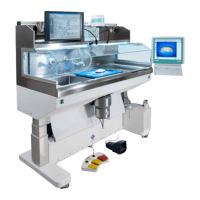
HIGH TEMPERATURE
The NOVA-8 rotor holds 8 TFM vessels with a volume of 75 ml, and
allows the digestion of ceramics and refractory materials, samples
that often pose a challenge to users, as the very high temperatures
and pressures required to digest them may result in damaging
conventional pressure vessels or shortening their lifetime.
The Milestone NOVA-8 rotor is especially designed to work at
sustained high temperature up to 300°C, allowing for a safe and
complete digestion of the most difficult matrices


 To Next Page