20
Before starting on the running rigging, have all
your blocks stropped and/or seized to a line as
much as possible. Some running lines may
pass thru a sheave hole, then require a block. If
so, try starting at the block and rigging back-
ward. Of course, if in such a situation a block
is required on both sides of the sheave you are
stuck with having to seize at least one of the
blocks on the model.
As noted in Stage E, the instructions concentrate
on a rig without sails. However, if you intend to
install sails, either full-up or furled, refer back to
Stage E for some of the suggested details.
1. Foremast Staysail Rigging
The fore staysail, fore topmast staysail, Inner
jib, outer jib, and flying jib are all rigged essen-
tially the same. Except for the fore staysail,
they have a halliard, downhaul, tack, and
sheets which ar
e fitted por
t and starboar
d.
With sails removed, the sheets and tack are
generally removed along with the sails. The
halliard and downhaul can remain and hooked
together. Place the hook point just above the
downhaul block which is seized to the lower
end of the stay just above the jibboom.
The downhauls belay to the cleats on top of
the bowsprit inboard as shown on the belaying
diagram.
The fore staysail does not have a downhaul.
B
ring the halliard down to the deck and hook
it to the bottom of the forestay on one of the
bullsey
e lanyar
ds.
Topside, all halliards feed thru a single block
seiz
ed at the mast or on the stay as sho
wn on
the plans. The halliards then go to the deck
and are belayed to belaying pins on the fore
fife rail. Refer to the belaying diagram on
plan S
heet 2.
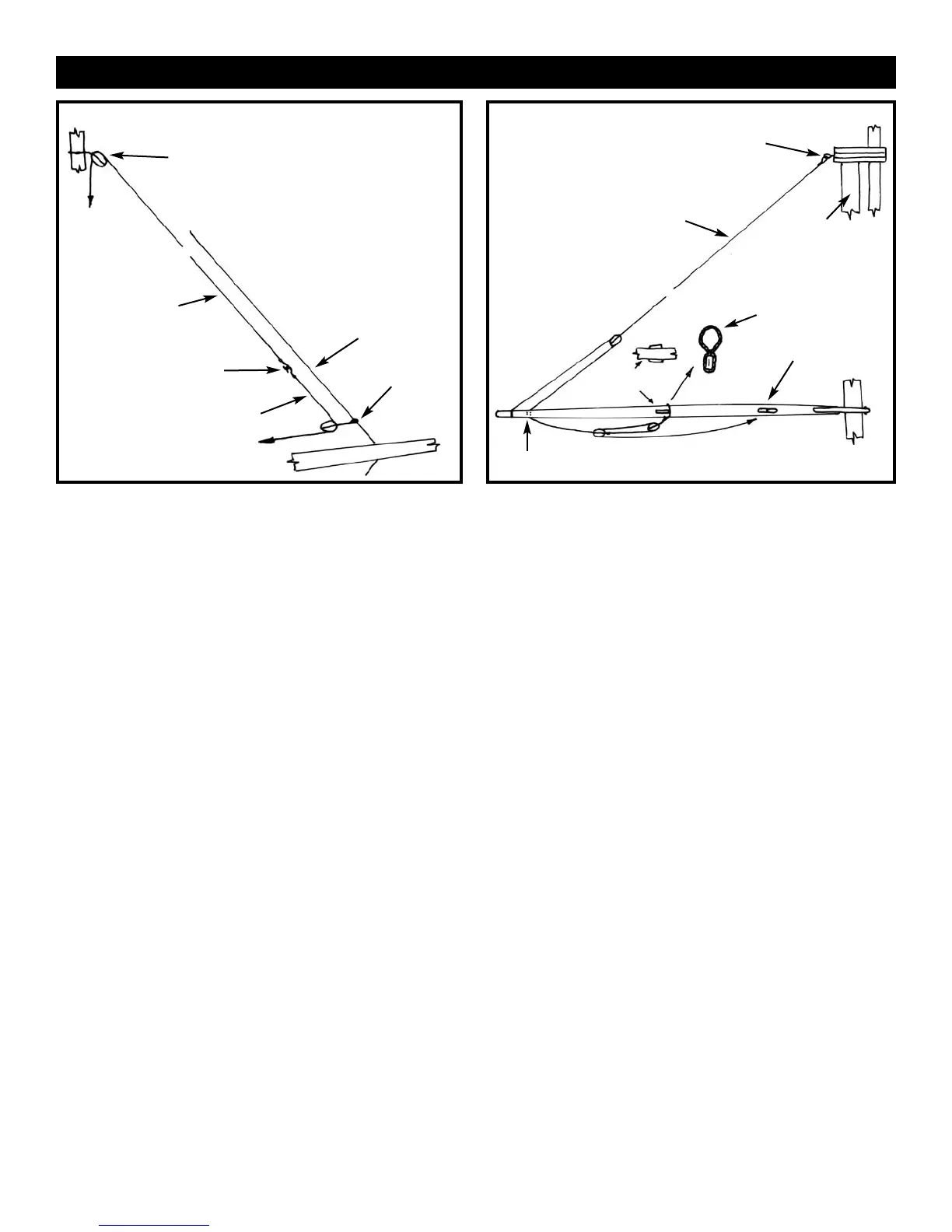
Figure H-1 illustrates some of the staysail
rigging.
2. Main Staysail Rigging
The main staysail, main topmast staysail, and
main topgallant staysail rig is similar to the fore-
mast staysails with the following exceptions:
Halliards - The halliards feed thru single
blocks seized to the top of the stays. The belay-
ing diagram does not specifically indicate
where these lines are belayed. Belay the main
topgallant staysail halliard to spare pin 52 on
the port pin rail. Belay the main topmast stay-
sail halliard to spare pin 59 on the starboard
pin rail. Belay the main staysail halliard to
spare pin 45 on the main fife rail.
D
o
wnhauls
-
The blocks for the do
wnhauls
ar
e located differently from the fore staysails.
H
o
w
ev
er
, just hook the halliar
ds to the do
wn
-
haul just abo
v
e the blocks.
The do
wnhauls
belay to the fore fife rail.
3. Spanker & Gaff Topsail Rigging
With no sails you must decide how to display
the gaff; up or down. The appropriate decision
is down and about parallel with the boom.
Some modelers like it up to fill the space aft of
the mast. You can do this but with no vangs on
this particular rig, the gaff would tend to flop
sideways. One solution is to glue or pin the jaff
jaws to the mast.
We will assume the gaff is down and proceed on
that basis. You were advised earlier to add mast
hoops on the mainmast before it was installed.
You should have some mast hoops for the
spanker and the gaff topsail on the mast. How-
ever, these are not supplied in the kit. Ignore
them or make your own from wood or use
some brass rings.
B
oom
T
opping Lift & B
oom S
heet
- Rig the
topping lift first to position the boom, then the
sheet to hold it down. The topping lift is fixed
to an eyebolt at the mast cap. Rig the running
tackle below the boom and belay it to the cleat
on the starboard side of the boom (Figure H-2).
The lower block for the boom sheet is hooked
to an eyebolt on centerline at the deck. The two
hauling ends belay to cleats on the bulwark port
and starboard (Figure H-3).
Spanker Outhaul - Tie a knot at the outer end
of the boom, run the outhaul thru the hole in
the boom and belay it to the cleat on the port
side of the boom.
Gaff Throat and Peak Halliards - Rig the hal-
liards per the plan. The peak halliard goes down
on the starboar
d side and belays to the starboar
d
pin rail on the bulwark. The throat halliard goes
gown on the port side and belays on the fife rail.
T
o pr
ev
ent the gaff fr
om swinging side
ways,
loop a line around the aft end of the boom and
gaff (F
igur
e H-4).
Gaff Topsail Inhaul & Outhaul - With the
sails off hook the inhaul and outhaul together
just above the gaff. The outhaul passes thru a
hole in the gaff and belays to a cleat on the star-
boar
d side of the boom.
The inhaul passes thr
u
a block under the gaff jaws, then belays to the
fife rail (por
t side).
Gaff Topsail Halliard, & Downhaul - Hook
the halliard and downhaul somewhere near the
mainmast top. The downhaul goes to port and
belays to pin 41 on the fife rail. The halliard
goes to starboar
d and belays to pin 44 on the
fife rail.
F
lag H
alliar
d
-
The flag halliar
d belays to the
cavil on the starboard bulwark. However, with
the gaff in the down position the line would be
draping across the deck, so it is best to leave the
halliard off.
STAGE H: RUNNING RIGGING
FIG. H-1 STAYSAIL RIGGING FIG. H-2 BOOM TOPPING LIFT
SINGLE BLOCK
ST
AY
SEIZE
BLOCK
T
O STAY
EYEBOLT IN
CAP
T
OPPING
LIFT
HOLE IN
BOOM
MAINMAST
COLLAR
AR
OUND BOOM
CLEAT(S)
BELAY
ST
OP
CHOCKP/S
HALLIARD
HOOK
TOGETHER
DO
WNHAUL


 To Next Page