• This respirator will perform as designed only if used and maintained according to the manufacturer's instructions. The
Program Administrator and the users must read and understand these instructions before using or servicing this product.
• If the respirator does not perform as specified in this manual, it must not be used until it has been checked by authorized
personnel.
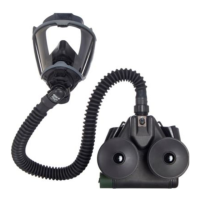
• DO NOT alter, modify, or substitute any components. The OptimAir TL PAPR has no user-serviceable parts except as
indicated in this manual. DO NOT disassemble the product beyond the manufacturer’s recommendations.
• Inspect the respirator regularly and maintain it according to the instructions. Repairs must only be made by properly trained
personnel.
• This respiratory protective device does not supply oxygen. Use only in adequately ventilated areas which conform to the
appropriate standard.
• This respirator must be used in conjunction with the proper chemical or particulate canister/cartridge(s) for protection
against specific contaminants. If you cannot determine that the filter canister/cartridge(s) used with this device is designed
for the contaminant, or if you do not know the identity of the contaminant, do not use this device. Call MSA Customer
Service, 1-800-MSA-2222 (1-800-672-2222) for more information.
• DO NOT use when concentrations of contaminants are unknown.
• DO NOT allow blockage of the cartridge inhalation port.
• DO NOT use when appropriate exposure limit (PEL, REL, TLV, etc.) is not known.
• Leave the contaminated area immediately if:
– Breathing becomes difficult
– Dizziness or other distress occurs
– You taste or smell the contaminant
– You experience nose or throat irritation
– Instructed by responsible individuals
– An alarm sounds
• Use strictly according to the instructions, labels, and limitations pertaining to this device. Follow an established
canister/cartridge(s) change out schedule.
• This respirator may not provide a satisfactory seal with certain facial characteristics, such as beards or large sideburns that
prevent direct contact between the skin and the sealing surface of the facepiece. Do not use this facepiece if such
conditions exist.
• DO NOT wear eyeglasses under the facepiece. The temples or sidebars on eyeglasses will prevent an air-tight seal. If you
must wear glasses, install the spectacle kit.
• The user must perform a respirator fit test (Quantitative Test or Qualitative Test) when tightfitting facepieces are used and
follow all warnings and limitations specified.
• Wear impermeable protective clothing to prevent exposure to gases and vapors that can poison by skin absorption.
• DO NOT use this respiratory protective device in explosive atmospheres.
• DO NOT use for urethane paints or other paints containing isocyanates unless an appropriate cartridge change-out
schedule is developed. Due to their poor warning properties, over exposure can occur without user awareness and result in
severe permanent damage to the respiratory system. If unable to develop an appropriate change-out schedule, use an air
supplied respirator or SCBA.
• DO NOT drop the OptimAir TL PAPR. If the OptimAir TL PAPR is dropped leave the contaminated area immediately and
inspect the unit for damage. If the plastic cartridge or blower housing is cracked it may cause contaminants to get into the
system.
• Follow cartridge installation instructions (see the Installing the Cartridges section) very carefully to prevent cross threading.
Failure to follow these warnings can result in serious personal injury or death.
OptimAir TL PAPR 6
US 1 Introduction


 To Next Page