EasyManua.ls Logo

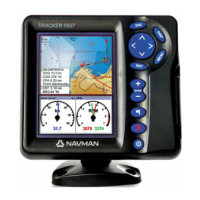
Navman Tracker 5507 - User Manual

Navman Tracker 5507
79 pages
Print Icon
To Next Page IconTo Next Page
Loading...
w w w . n a v m a n . c o m
Installation and
Operation Manual
Tracker
5507/ 5607
NAVMAN
Chartplotters

Table of Contents

Question and Answer IconNeed help?

Do you have a question about the Navman Tracker 5507 and is the answer not in the manual?

Summary

IMPORTANT SAFETY INFORMATION

FCC Compliance Statement

Details equipment testing and compliance with FCC rules on radio frequency interference.

Industry Canada Compliance

Specifies conditions for device operation regarding interference acceptance.

1 Introduction to the NAVMAN 5507;5607

1-1 Overview

Introduction to the chartplotter, its features, and manual scope.

1-2 Cleaning and Maintenance

Guidelines for cleaning the display and handling plug-in cards.

1-3 Plug-in Cards

Explanation of C-MAP chart cards and user cards for data storage.

1-4 Display Unit Removal and Replacement

Instructions for detaching and reattaching the display unit.

2 Basic Operation

2-1 Key Functions and Basic Operations

Overview of unit keys, basic operations, menus, power, and alarms.

2-7 Simulate Mode and Window Management

Using simulate mode and managing main windows, multi-window displays, and favorites.

2-8 Data Header and Compass Display

Customizing the data header and enabling the compass display.

3 Navigation: Chart

3-1 Navigating

Methods for navigating to destinations, including points, waypoints, and routes.

3-2 Chart Window Functionality

Understanding the chart display, modes, symbols, scale, and finding chart symbols.

3-3 Navigation Aids

Tools for measuring distances, bearings, plotting courses, and displaying projected positions.

3-5 Tracks and Tracking

Recording, displaying, and managing boat track data.

5 Navigation: Waypoints

5-1 Waypoints Window

Viewing entered waypoints and their details.

5-2 Managing Waypoints

Creating, editing, deleting, and sorting waypoints.

6 Navigation: Routes

6-1 Routes Window

Listing created routes and their start/end points.

6-2 Managing Routes

Creating, editing, displaying, and deleting routes.

7 Satellites

7-1 GPS and DGPS Systems

Explanation of GPS navigation and Differential GPS correction methods.

7-2 Satellite Window Details

Displaying satellite status, time, HDOP, and signal strengths.

8 Gauges Window

8-1 Gauges Window Operation

Selecting and customizing analog gauge displays for boat data.

9 Data Window

9-1 Data Window Customization

Selecting and configuring the data fields displayed in the Data window.

10 Fuel Functions and Display

10-1 Fuel Computer Overview

What the fuel computer does and how to view fuel data in the Fuel window.

10-3 Fuel Management and Alarms

Procedures for updating fuel levels, setting low fuel alarms.

10-5 Speed Sensors and Economy

Selecting speed sources and understanding fuel economy.

10-6 Fuel Consumption Curves and Calibration

Creating, using curves, and calibrating fuel sensors.

11 Tides Window

11-1 Tides Window Functionality

Displaying tide information at stations and choosing dates for tide charts.

12 User Card Window

12-1 User Card Data Management

Saving and loading waypoints, routes, and tracks to/from the user card.

13 AIS Functions

13-1 AIS System Overview

Introduction to AIS and displaying vessel information on charts.

13-2 Dangerous Vessels and AIS Windows

Identifying dangerous vessels and accessing AIS message lists.

14 DSC;Buddy Track Windows

14-1 DSC;Buddy Track Window Overview

Understanding Distress, Poll, and Buddy track windows.

14-2 Using DSC;Buddy Track Features

Displaying, navigating to, and managing boats in DSC/Buddy track windows.

15 Setting up the 5507;5607

15-1 System and Chart Setup

Configuring basic system settings and customizing chart display options.

15-3 GPS, Fuel, and Track Setup

Setting up GPS, fuel sensors, and track recording parameters.

15-6 AIS, Logs, Alarms, and Units Setup

Configuring AIS filtering, logs, alarms, and display units.

15-10 Communication and Advanced Setup

Setting up communication, calibration, time, favorites, and simulate modes.
Summary

IMPORTANT SAFETY INFORMATION

FCC Compliance Statement

Details equipment testing and compliance with FCC rules on radio frequency interference.

Industry Canada Compliance

Specifies conditions for device operation regarding interference acceptance.

1 Introduction to the NAVMAN 5507;5607

1-1 Overview

Introduction to the chartplotter, its features, and manual scope.

1-2 Cleaning and Maintenance

Guidelines for cleaning the display and handling plug-in cards.

1-3 Plug-in Cards

Explanation of C-MAP chart cards and user cards for data storage.

1-4 Display Unit Removal and Replacement

Instructions for detaching and reattaching the display unit.

2 Basic Operation

2-1 Key Functions and Basic Operations

Overview of unit keys, basic operations, menus, power, and alarms.

2-7 Simulate Mode and Window Management

Using simulate mode and managing main windows, multi-window displays, and favorites.

2-8 Data Header and Compass Display

Customizing the data header and enabling the compass display.

3 Navigation: Chart

3-1 Navigating

Methods for navigating to destinations, including points, waypoints, and routes.

3-2 Chart Window Functionality

Understanding the chart display, modes, symbols, scale, and finding chart symbols.

3-3 Navigation Aids

Tools for measuring distances, bearings, plotting courses, and displaying projected positions.

3-5 Tracks and Tracking

Recording, displaying, and managing boat track data.

5 Navigation: Waypoints

5-1 Waypoints Window

Viewing entered waypoints and their details.

5-2 Managing Waypoints

Creating, editing, deleting, and sorting waypoints.

6 Navigation: Routes

6-1 Routes Window

Listing created routes and their start/end points.

6-2 Managing Routes

Creating, editing, displaying, and deleting routes.

7 Satellites

7-1 GPS and DGPS Systems

Explanation of GPS navigation and Differential GPS correction methods.

7-2 Satellite Window Details

Displaying satellite status, time, HDOP, and signal strengths.

8 Gauges Window

8-1 Gauges Window Operation

Selecting and customizing analog gauge displays for boat data.

9 Data Window

9-1 Data Window Customization

Selecting and configuring the data fields displayed in the Data window.

10 Fuel Functions and Display

10-1 Fuel Computer Overview

What the fuel computer does and how to view fuel data in the Fuel window.

10-3 Fuel Management and Alarms

Procedures for updating fuel levels, setting low fuel alarms.

10-5 Speed Sensors and Economy

Selecting speed sources and understanding fuel economy.

10-6 Fuel Consumption Curves and Calibration

Creating, using curves, and calibrating fuel sensors.

11 Tides Window

11-1 Tides Window Functionality

Displaying tide information at stations and choosing dates for tide charts.

12 User Card Window

12-1 User Card Data Management

Saving and loading waypoints, routes, and tracks to/from the user card.

13 AIS Functions

13-1 AIS System Overview

Introduction to AIS and displaying vessel information on charts.

13-2 Dangerous Vessels and AIS Windows

Identifying dangerous vessels and accessing AIS message lists.

14 DSC;Buddy Track Windows

14-1 DSC;Buddy Track Window Overview

Understanding Distress, Poll, and Buddy track windows.

14-2 Using DSC;Buddy Track Features

Displaying, navigating to, and managing boats in DSC/Buddy track windows.

15 Setting up the 5507;5607

15-1 System and Chart Setup

Configuring basic system settings and customizing chart display options.

15-3 GPS, Fuel, and Track Setup

Setting up GPS, fuel sensors, and track recording parameters.

15-6 AIS, Logs, Alarms, and Units Setup

Configuring AIS filtering, logs, alarms, and display units.

15-10 Communication and Advanced Setup

Setting up communication, calibration, time, favorites, and simulate modes.

Navman Tracker 5507 Specifications

General IconGeneral
BrandNavman
ModelTracker 5507
CategoryGPS
LanguageEnglish

Related product manuals