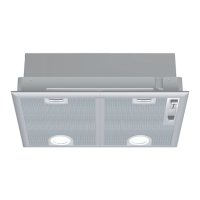
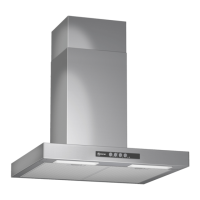
This document provides comprehensive instructions for the installation, use, and maintenance of a NEFF extractor hood. It emphasizes safety, environmental protection, and optimal performance.
Function Description
The NEFF extractor hood is designed for domestic use to remove cooking fumes, odours, and vapours from the kitchen environment. It can operate in two primary modes: exhaust air mode and circulating air mode.
In exhaust air mode, the air drawn into the appliance is cleaned by grease filters and then conveyed to the exterior through a pipe system. This mode requires a flue duct to be fitted. It is crucial to ensure adequate fresh air in the room when operating in exhaust air mode simultaneously with room air-dependent heat-producing appliances (e.g., gas, oil, wood, or coal-operated heaters) to prevent the risk of poisoning from flue gases being drawn back in. The appliance should not convey exhaust air into a functioning smoke or exhaust gas flue or a shaft used to ventilate rooms containing heat-producing appliances without the consent of the heating engineer. If exhaust air is conveyed through an outer wall, a telescopic wall box is recommended.
In circulating air mode, the air drawn in is cleaned by both grease filters and an activated carbon filter before being conveyed back into the kitchen. This mode requires an activated carbon filter to bind odours. The flue duct is not necessary for this mode. This mode offers unrestricted operation, especially when room air-dependent heat-producing appliances are also in use.
The appliance features a fan with multiple speed settings, including an intensive mode for heavy cooking fumes. It also includes independent lighting to illuminate the cooking area.
Usage Features
Operating the Fan:
The fan can be switched on and off by touching the dedicated symbol. It typically starts at fan setting 2. Users can select different fan settings (1, 2, or 3) by touching the corresponding symbols. The intensive mode (P symbol) is available for significant build-up of odours and fumes/vapours. This mode automatically switches back to fan setting 3 after approximately 6 minutes, but it can be manually switched off earlier. For optimal effectiveness, it is recommended to switch on the extractor hood when cooking begins and switch it off several minutes after cooking is finished.
Operating the Lighting:
The lighting can be operated independently of the fan. It can be switched on and off by touching the light symbol. The LED lights are designed to be bright, and users are advised not to look directly into them for extended periods (over 100 seconds) due to their dazzling nature.
Energy Saving Tips:
To save energy, ensure a sufficient air supply during cooking for efficient and quiet operation. Adjust the fan speed to the intensity of cooking fumes, using intensive mode only when necessary, as lower speeds consume less energy. If cooking fumes are intense, select a higher fan speed promptly to prevent them from spreading. Switch off the extractor hood and lighting when no longer needed. Regular cleaning and replacement of filters enhance ventilation effectiveness and prevent fire risks.
Maintenance Features
Cleaning and Maintenance:
Regular cleaning is essential for the appliance's safety and performance. Before cleaning, ensure the appliance has cooled down and is disconnected from the power supply (unplugged or circuit breaker switched off). Protective gloves should be worn due to sharp edges inside the appliance. High-pressure cleaners or steam cleaners must not be used to avoid electric shock.
Cleaning Agents:
Only use cleaning products suitable for the specific surfaces of the appliance. Avoid harsh, abrasive, or high-alcohol content cleaning agents, hard scouring pads, pressure washers, steam cleaners, descaling products, aggressive all-purpose cleaners, or oven spray. Stainless steel surfaces should be cleaned in the direction of the grain using hot soapy water and a soft cloth, or special stainless steel cleaning products. Painted surfaces, aluminium, and plastic should be cleaned with hot soapy water and a soft cloth. Glass surfaces can be cleaned with glass cleaner and a soft cloth, but glass scrapers should not be used. Controls should be cleaned with a damp cloth; avoid wet cloths to prevent humidity ingress into electronic circuitry.
Cleaning Metal Mesh Grease Filters:
Fatty deposits in the grease filter can catch fire, so regular cleaning (recommended every 2 months) is crucial. The appliance should never be operated without a grease filter. The metal grease filters can be cleaned by hand or in a dishwasher.
- By hand: Soak filters in hot soapy water, clean with a brush, rinse thoroughly, and let them drain on absorbent material. Special degreasers can be used for stubborn dirt.
- In the dishwasher: Use normal domestic dishwashing detergents. Avoid cleaning heavily soiled filters with cookware. Place filters with ample space, ensuring they are not trapped. Select a temperature of no more than 50 °C. Slight discolouration may occur but does not affect performance.
When cleaning the metal grease filters, also clean the grease filter holder in the appliance with a damp cloth.
Removing and Installing Metal Mesh Grease Filters:
The stainless steel flap should be opened and closed slowly. To remove, open the stainless steel flap, unlatch the lock, and swing down the filter, holding it from underneath. Then, take it out of the holder. When installing, insert the filter and lock it in place, ensuring it is correctly positioned.
Troubleshooting:
The manual provides a troubleshooting table for common issues like the appliance not working, lighting not functioning, or button illumination failure. It advises checking power supply, fuses, and contacting customer service for defective LED lights or control unit issues. Incorrect repairs are dangerous and should only be carried out by trained after-sales technicians.
Customer Service:
For service inquiries, customers are advised to quote the product number (E no.) and production number (FD no.) found on the rating plate. The manual provides contact numbers for customer service in GB and IE, noting call charges. It emphasizes relying on professional, trained service technicians for repairs using original spare parts.
Accessories:
The document lists various optional accessories for air recirculation mode, including starter sets for different hood types (with or without chimney) and easy-change filters, some of which are regenerable. These accessories are available from specialist retailers, customer service, or the online shop, and their installation instructions should be followed.



 To Next Page
 General