11
It is very important to keep the secondary flames burning to maximize heat output and minimize air pollution, so some
experimentation will be necessary because each installation is different. Wood moisture content will also affect the
amount of time that a unit will need to burn on high after each reload.
SECONDARY AIR allows the woodstove to burn clean. This preheated air enters the upper firebox just below the baffle
plate. This superheated air mixed with the wood gases and flames ignites, reaching temperatures in the 1100F to 1600F
range. Without Secondary Air these volatile gases would exit the stove unburned as creosote, smoke, particulates, and
high levels of Carbon Monoxide, greatly decreasing efficiency. Heat comes from burning the wood gases, not the wood,
which itself turns into black charcoal after the gases are all released. Secondary air increases a stoves efficiency by
approximately 40% greatly reducing the amount of wood required for a heating season (easily up to 1/3 less wood).
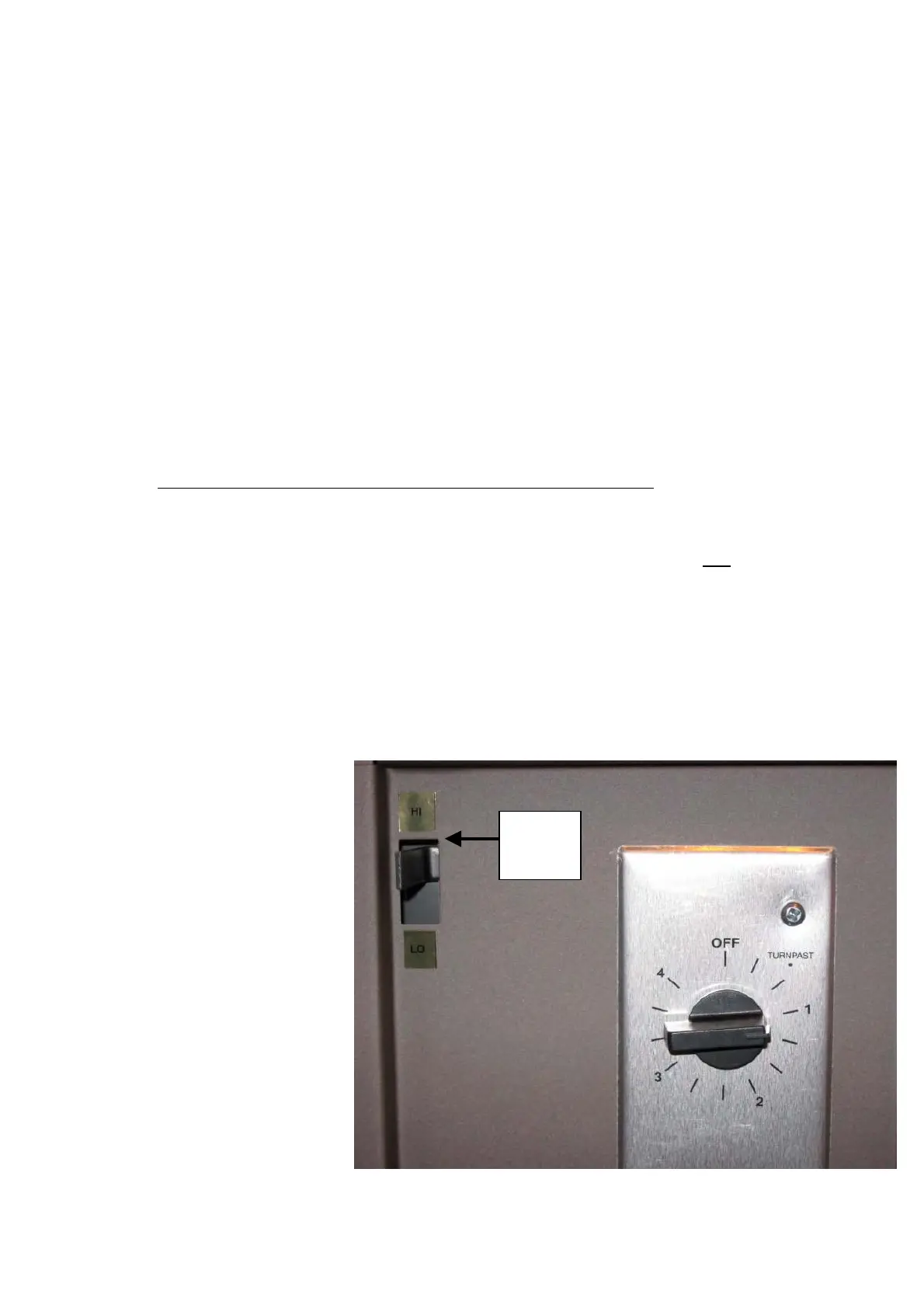
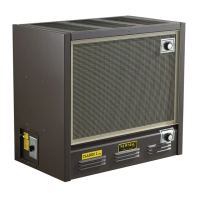
SECONDARY AIR TIMER (SAT) located on the left side of the NC100E and NCM120E, and on the back of the
NS220E EPA.
NEVER ATTEMPT TO BURN YOUR STOVE WITH THE TIMER KNOB SET IN THE OFF POSITION. THIS CLOSES
OFF THE SECONDARY AIR AND YOUR STOVE WILL BURN DIRTY AND PRODUCE CREOSOTE.
THE SAT SHOULD BE LEFT IN THE OPEN POSITION AND LOCKED WITH THE TIMER STOP LEVER SET ON
“HI” AND YOUR STOVE WILL BURN OPTIMALLY. IT IS NOT NECESSARY TO USE THE TIMER EXCEPT IF YOU
WISH TO EXTEND THE LENGTH OF THE COAL BED TIME, AFTER THE WOOD HAS FINISHED BURNING
The Secondary Air Timer (SAT) is used to control the duration of secondary air entering the stove. When burning the
stove be sure the timer is set to open (Timer Knob past One Hour and Timer Lever to “HI”.
The SAT is only used if you wish to extend the coal bed time on Medium Low or Low setting. To do so:
1. GENTLY rotate Timer Knob clockwise to 2.5 to 3 hours for Medium Low and 3 to 3.5 hours for Low as
designated on the timer plate.
2. Turn the timer lever down to ”LO” to allow the timer to close. Observe that the timer closes after there are no
more flames present
3. THE TIMER MUST BE OPENED AND THE LEVER SET TO “HI” BEFORE ADDING MORE FUEL.
4. The above settings are based upon a 15 foot chimney. The actual settings may vary slightly due to your
chimney height and the outside temperatures. Taller chimneys and colder outside temperatures cause a stove
to burn faster. This means the SA timer does not have to be opened as long. The same is true of wood
moisture – drier fuel will burn faster than wetter fuel.
WATCH YOUR CHIMNEY – If you cannot see any visible smoke coming out of your chimney, you are operating your
stove correctly. If you can see smoke, then adjust what you are doing so the smoke disappears. Remember, smoke
equals lost heat!
Rotate timer past 1 hour and then
rotate timer stop lever towards “HI”
position to lock secondary air open
For medium low and low burn rates
turn timer to desired time setting and
rotate timer stop lever toward “LO”.
Timer
Stop
Lever


 To Next Page