EasyManua.ls Logo

Noblelift N Series - User Manual

Noblelift N Series
112 pages
Print Icon
To Next Page IconTo Next Page
Loading...
FE3R16-SMS-001
Warning
Operators should read and understand
this manual and all warning labels on
the forklift before using the forklift!
Keep the manual for future reference!
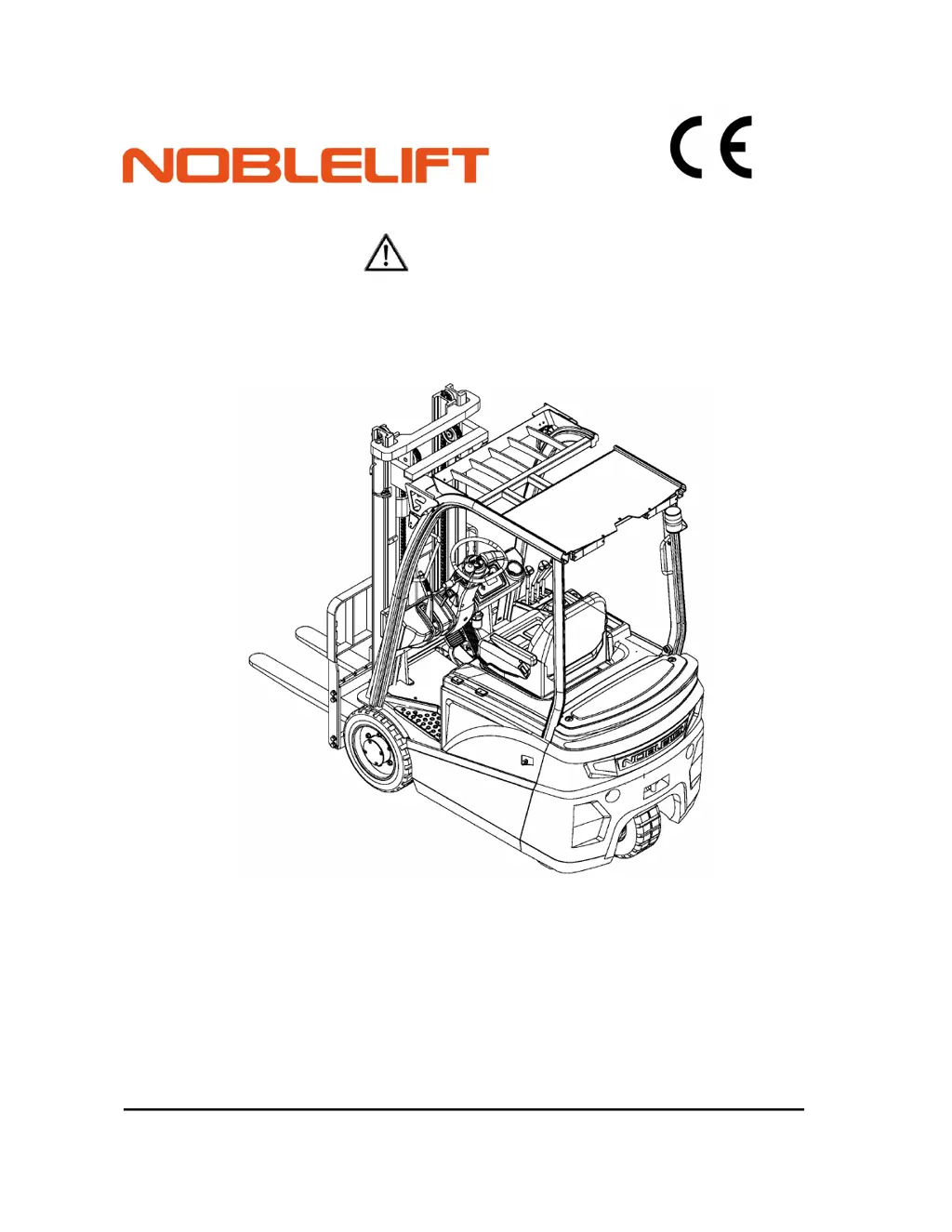
Operation & Maintenance Manual
FE3R16 N/E SERIES
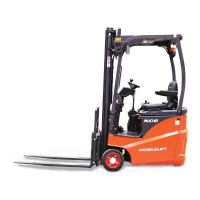
Battery Counterbalanced Forklift Truck
NOBLELIFT INTELLIGENT EQUIPMENT CO.,LTD.

Table of Contents

Questions and Answers

Summary

Introduction

Icons Used in Manual

Explanation of icons for highlighting potential dangers and general cautions in the manual.

Special Declaration

Declaration on environmental requirements, noise, vibration, and operational prohibitions.

Chapter 1: Forklift Usage Precautions

Forklift Transportation Guidelines

Precautions for transporting the forklift by container or trucks.

Forklift Storage Procedures

Guidelines for storing the forklift, including battery care.

Pre-Use Preparation Checklist

Checklist for preparing the forklift before operation, covering instruments, tires, and systems.

Forklift Operation Instructions

Instructions for safe and proper operation, including driving and load handling.

Accumulator Charging Procedures

Detailed instructions for charging the forklift's accumulator cells.

Chapter 2: Forklift Structure and Parameters

Overall Dimensions and Technical Parameters

Details on the forklift's overall dimensions and key technical specifications.

Main Components: Structure and Principles

Explanation of the structure, operating principles, and adjustment of major forklift components.

3. Steering System Overview

Steering System Components

Overview of the steering system components including steering wheel, shaft, gear, and motor.

Cycloidal Hydraulic Steering Gear

Detailed explanation of the cycloidal full hydraulic steering gear and its components.

4. Electrical System Details

Curtis Electric Control Assembly

Details on the Curtis electric control assembly, its functions, and features.

Curtis Electrical Principle Diagram

Schematic diagram illustrating the electrical principle of the control system.

4.2 Inmotion Electrical System

Inmotion Electrical Principle Diagram

Schematic diagram illustrating the electrical principle of the Inmotion control system.

5. Accumulator System

Accumulator Safety Precautions

Essential safety measures for accumulator charging and handling to prevent hazards.

Accumulator Usage Guidelines

Guidelines for proper accumulator use and maintenance to ensure its service life.

6. Hydraulic System Overview

Hydraulic System Components

Overview of the hydraulic system components including pump, valves, cylinders, and pipelines.

Oil Pump Description

Description of the oil pump, a gear pump, used in the hydraulic system.

Multiple Unit Valve Function

Details on the multiple unit valve, its function in assigning high-pressure oil, and safety features.

7. Lifting System Overview

Lifting System Components

Overview of the lifting system, composed of inner and outer main frames and the forklift frame.

Mast and Chassis Connection

Description of the connection between the mast and chassis, including frame structures and tilting cylinder integration.

Chapter 3: Operation, Use, and Safety

Forklift Transportation and Handling

Procedures and precautions for transporting and handling the forklift, including loading and unloading.

Initial Forklift Use and Break-in

Guidelines for initial operation and break-in period of a new forklift for optimal service life.

Load Effects on Forklift Stability

Explanation of how load affects forklift stability and the importance of maintaining balance.

Load Centre and Curve Interpretation

Definition of load centre and load curve and their impact on allowable load capacity.

Forklift Stability Factors

Factors affecting forklift stability and conditions for maximum stability during operation.

Preparation Before Driving

Forklift Transportation and Handling

Procedures and precautions for transporting and handling the forklift, including loading and unloading.

Preparation Before Driving

Steps to prepare the forklift before driving, including checking controls and switches.

Forklift Driving Procedures

Parking and Temporary Storage

Guidelines for safely parking the forklift temporarily or for long-term storage.

Accumulator Charging Procedures

Instructions for charging the forklift's accumulator, including precautions and procedures.

Goods Stacking Procedures

Goods Un-stacking Procedures

Procedures for safely un-stacking goods using the forklift.

Forklift Storage Guidelines

Procedures for storing the forklift, including short-term and long-term storage guidelines.

II. Operation Devices and Use Method

Forklift Parts Diagram

Diagram illustrating the forklift's parts and operation devices for identification.

Combination Instrument Functions

Description of the combination instrument for displaying vehicle status and information.

Forklift Switch Operations

Explanation of various switches on the forklift, including emergency stop and key switch.

Control Parts: Steering and Horn

Steering Wheel and Tilt Adjustment

Operation of steering wheel, hydraulic steering, tilt device, and column locking.

Horn Button and Direction Switch

Operation of horn button and direction switch lever for controlling forklift movement and sound.

Parking Brake Lever Operation

Procedure for operating the parking brake lever for parking and driving.

Pedal Operations: Brake and Accelerator

Lifting and Tilt Lever Operations

Operation of the lifting and tilt levers to control fork height and frame tilting.

5. Forklift Body Components

Seat Adjustment and Comfort

Description of seat adjustment for operator comfort and its effect on acceleration.

Overhead Guard Safety Function

Importance of the overhead guard for operator safety against falling objects.

Back-rest and Traction Pin Usage

Importance of back-rest and usage of traction pin for specific situations.

Fork Locating Pin and Pedal;Handrail Access

How to adjust fork spacing and use foot pedal/handrail for safe access.

Lighting System and Rear View Mirror

Description of lighting systems and rear view mirror for visibility and safety.

Accumulator Plug Safety

Function of the accumulator plug for connecting/disconnecting electrical components and safety precautions.

III. Safety Guidelines

Site and Working Environment

Guidelines for selecting a safe site and maintaining appropriate working environment conditions.

Essential Safety Rules

Rules for forklift operation, emphasizing operator training and protective equipment.

Prohibited Operations and General Safety

Warnings against highway driving, unauthorized part changes, and importance of reading instructions.

Operator Health and Forklift Safety

Emphasizes driver's health and ensuring the forklift is in a safe working condition.

Operating Within Scope and Avoiding Damage

Guidelines on working within permitted limits and avoiding operation of damaged forklifts.

Proper Boarding and Startup Procedures

Instructions for safe boarding, holding handrails, and starting the forklift correctly.

Seat Adjustment and Safe Working Conditions

Importance of adjusting the seat and ensuring the forklift is under safe working conditions.

Seat Belt and Working Area Height

Importance of fastening seat belts and paying attention to working area height.

Lighting and Body Exposure Precautions

Guidance on using lights in dark areas and avoiding arm/body exposure outside the overhead guard.

Ground Conditions and Body Protection

Advice on driving on appropriate surfaces and keeping the body under the overhead guard.

Loading Precautions and Projection Clearance

Warnings against eccentric loading and ensuring projecting forks are clear of obstacles.

Pin Position and Working Area Safety

Checking locating pin position and ensuring safety in working areas.

Driving Stability and Surface Conditions

Ensuring lateral stability and avoiding driving on smooth or slippery grounds.

Handling Wide Loads and Passenger Prohibition

Caution when handling wide goods and prohibition of carrying passengers.

Turning Procedures and Pallet Usage

Advice on slowing down during turns and using appropriate pallets or sleepers.

Road Clearance and Object Handling

Advice on blowing horns for visibility and handling small objects.

Driving Rules and Stunts Prohibition

Rules against chasing, stunts, and the importance of looking around while driving.

Load Height and Traffic Rules

Handling high loads, obeying traffic rules, and driving reversely if visibility is blocked.

Ramp Driving and Steepness Caution

Guidelines for driving on ramps, both uphill and downhill, with attention to steepness.

Ramp Driving (No Load) and Braking

Procedures for driving on ramps without load and performing braking safely.

Slope Turning and Pedestrian Awareness

Prohibition of turning on slopes and importance of blowing horns for pedestrians.

Collision Avoidance and Pedestrian Safety

Avoiding collisions with people or objects during turns and keeping clear of pedestrians.

High Speed Turning and Overturning Risk

Warning about high speed turning causing overturning due to unstable center of gravity.

Center of Gravity and Area Awareness

Attention to center of gravity for stability and awareness of surrounding areas while driving.

Rated Capacity and Load Slowdown

Noting changes in rated capacity and slowing down during loading operations.

Fork Usage and People in Front

Proper use of forks for loading and ensuring no people are in front of the forklift.

Body Position and Elevated Fork Safety

Keeping the body under the overhead guard and ensuring no one stands below the elevated fork.

Seat Belt and Forklift Safety

Importance of fastening seat belts and ensuring overall forklift safety.

Work Scope and Damaged Forklift Operation

Working within permitted scopes and avoiding operation of damaged forklifts.

Proper Boarding and Startup Procedures

Correct procedures for boarding, holding handrails, and starting the forklift.

Seat Adjustment and Working Condition

Adjusting the seat for comfort and ensuring the forklift is in safe working condition.

Manned Operation Safety Equipment

Ensuring use of special safety equipment during manned operations.

Overload and Explosive Environment Warnings

Warnings against overloading and operating in explosive environments.

Windy Conditions and Designated Parking

Caution during lifting in windy conditions and parking in designated areas.

Damaged Forklifts and Maintenance Precautions

Handling of damaged forklifts and general maintenance precautions.

Parking on Slopes and General Storage

Prohibition of parking on slopes and procedures for when the forklift is not in use.

Lifting Precautions

Guidelines for lifting the forklift, including proper methods and avoiding risks.

Handling Goods During Transportation

Correct procedures for lifting and handling the forklift when transporting goods.

Rollover Avoidance and Self-Protection

Guidelines for avoiding rollover and protecting oneself in case of tipping.

Load Tilting and Eccentric Loading Warnings

Prohibition of load tilting and eccentric loading to prevent tipping.

Slippery Surfaces and Obstacle Avoidance

Avoiding driving on slippery surfaces and driving over obstacles that cause tipping.

Ground Clearance and Turning Stability

Maintaining proper ground clearance during driving and avoiding fast, wide turns.

Narrow Turns and Seat Belt Safety

Turning within narrow ranges when forks are empty and fastening seat belts.

Forklift Tipping Procedures and Helmet Use

Actions to take during forklift tipping and the importance of wearing a helmet.

Maintenance Location and Precautions

Requirements for designating a safe and secure location for maintenance operations.

5. Maintenance Safety and Protection

Maintenance Location Requirements

Requirements for designating a safe and secure location for maintenance operations.

Precautions Before Maintenance

Safety precautions to take before commencing maintenance, including protective gear and area preparation.

Care and Maintenance Precautions

General care and maintenance precautions, including fork handling and tool usage.

Tire Inspection and Replacement

Procedures for professional tire inspection and replacement, including safety for high-pressure air.

Jack Usage for Tire Replacement

Safe procedures for using a jack to lift the forklift for tire replacement.

Waste Discharge Requirements

Guidelines for proper disposal of forklift waste parts and liquids according to regulations.

6. Accumulator Safety During Use

No Smoking Near Accumulator

Warning against smoking near the accumulator due to explosion and fire risks.

Preventing Electric Shock

Precautions to prevent electric shock when working with the high-voltage accumulator.

Correct Accumulator Connection

Ensuring correct polarity when connecting the accumulator to prevent hazards.

Metal Objects on Accumulator Warning

Warning against placing metal objects on the accumulator to avoid short circuits.

Avoiding Excessive Accumulator Discharge

Guidance on avoiding excessive accumulator discharge to prolong its life.

Accumulator Cleaning and Maintenance

Importance of keeping the accumulator surface clean and using appropriate cleaning methods.

Protective Clothing for Maintenance

Recommendation to wear protective gear during battery maintenance.

Harmful Accumulator Electrolyte

Hazards of accumulator electrolyte (sulfuric acid) and necessary precautions.

Emergency Treatment for Electrolyte Contact

Emergency procedures for contact with accumulator electrolyte and seeking medical attention.

Accumulator Top Cover Installation

Properly fitting the accumulator top cover to prevent leakage and damage.

Accumulator Waterproofing

Warning against wetting the accumulator with water, which can cause damage and fire.

Handling Accumulator Abnormalities

Identifying and reporting common accumulator abnormalities to the sales department.

Prohibition of Battery Disassembly

Prohibition of draining electrolyte, disassembling, or repairing the battery.

Accumulator Storage Guidelines

Guidelines for storing the accumulator when unused for long periods.

Waste Battery Disposal

Contacting sales department for proper disposal of waste batteries.

7. Labels and Their Importance

Chapter IV: Periodic Inspection and Maintenance

I. Pre-Operation Checks

Mandatory pre-operation inspection to ensure safe operation and good forklift condition.

Pre-Operation Checkpoints and Contents

Detailed list of check points and their contents for pre-operation inspection across various systems.

Pre-Operation Check Procedures

Step-by-step procedures for checking the brake pedal, brake fluid, and parking brake lever.

Steering System Checks

Checking steering wheel rotation, power steering, and hydraulic system operations.

Hydraulic Oil and Lifting Chain Checks

Checking hydraulic oil level and lifting chain tightness.

Tire and Rim Nut Checks

Inspecting tires, side surfaces, wheel rim, and rim nuts for damage and looseness.

Battery Charging Status Check

Measuring battery specific gravity and checking terminals/cables for proper charging status.

Lights, Horn, and Emergency Switch Checks

Verifying normal operation of lights and horn, and checking the emergency stop switch.

Instrument Panel Check

Description of the instrument panel display under normal conditions after turning on the key switch.

Guard, Backrest, and Label Checks

Checking bolts of overhead guard/backrest, label integrity, and other components.

II. Post-Operation Checks

Post-Operation Inspection and Component Check

Checking forklift parts for damage, lubrication, and replacing abnormal components after work.

III. Forklift Cleaning

Forklift Surface Cleaning

Procedure for cleaning the forklift surface using water and detergent, avoiding flammable liquids.

Chain Cleaning Procedure

Method for cleaning the chain using gasoline and other petrochemical derivatives.

Electric System Cleaning

Cleaning the electric system using non-metallic brushes or dryers, avoiding water.

Post-Cleaning Procedures

Steps after cleaning, including drying and performing braking to dry the brake.

IV. Regular Maintenance Schedule

Accumulator Maintenance Schedule

Regular checks and maintenance for the accumulator, including levels, gravity, and connections.

Controller Maintenance Schedule

Regular maintenance checks for the controller, including contacts, mechanical movement, and connections.

Motor Maintenance Schedule

Regular maintenance for the motor, including removing foreign bodies, checking bearings, brushes, and wiring.

Transmission System Maintenance

Maintenance checks for the gearbox and wheel reduction mechanism, including noise, leakage, and bolts.

Wheel Maintenance Schedule

Inspection of tires for wear, cracks, damage, and wheel rim condition.

Steering System Maintenance

Maintenance checks for the steering wheel, steering gear, and rear axle components.

Braking System Maintenance

Regular maintenance procedures for the brake pedal, parking brake, pipelines, and master cylinder.

Hydraulic System Maintenance

Maintenance checks for hydraulic cylinders, control valve rod, multiple unit valve, and pump.

Lifting System Maintenance

Maintenance for the lifting system, including chain, sprocket, accessories, cylinders, and fork.

Other Components Maintenance

Maintenance checks for overhead guard, backrest, steering lamp, horn, and wiring.

2. Periodic Replacement of Safety Components

V. Lubrication and Recommended Oils

Lubricating Parts Guide

List of lubricating parts and symbols indicating replacement, adding, or adjustment.

Recommended Oils and Specifications

Table listing recommended oils, trademarks, capabilities, and operating temperature ranges.

Noblelift N Series Specifications

General IconGeneral
BrandNoblelift
ModelN Series
CategoryTrucks
LanguageEnglish

Related product manuals