General Venting │ FTV I&O Manual
Vent/Air-inlet Pipe Material
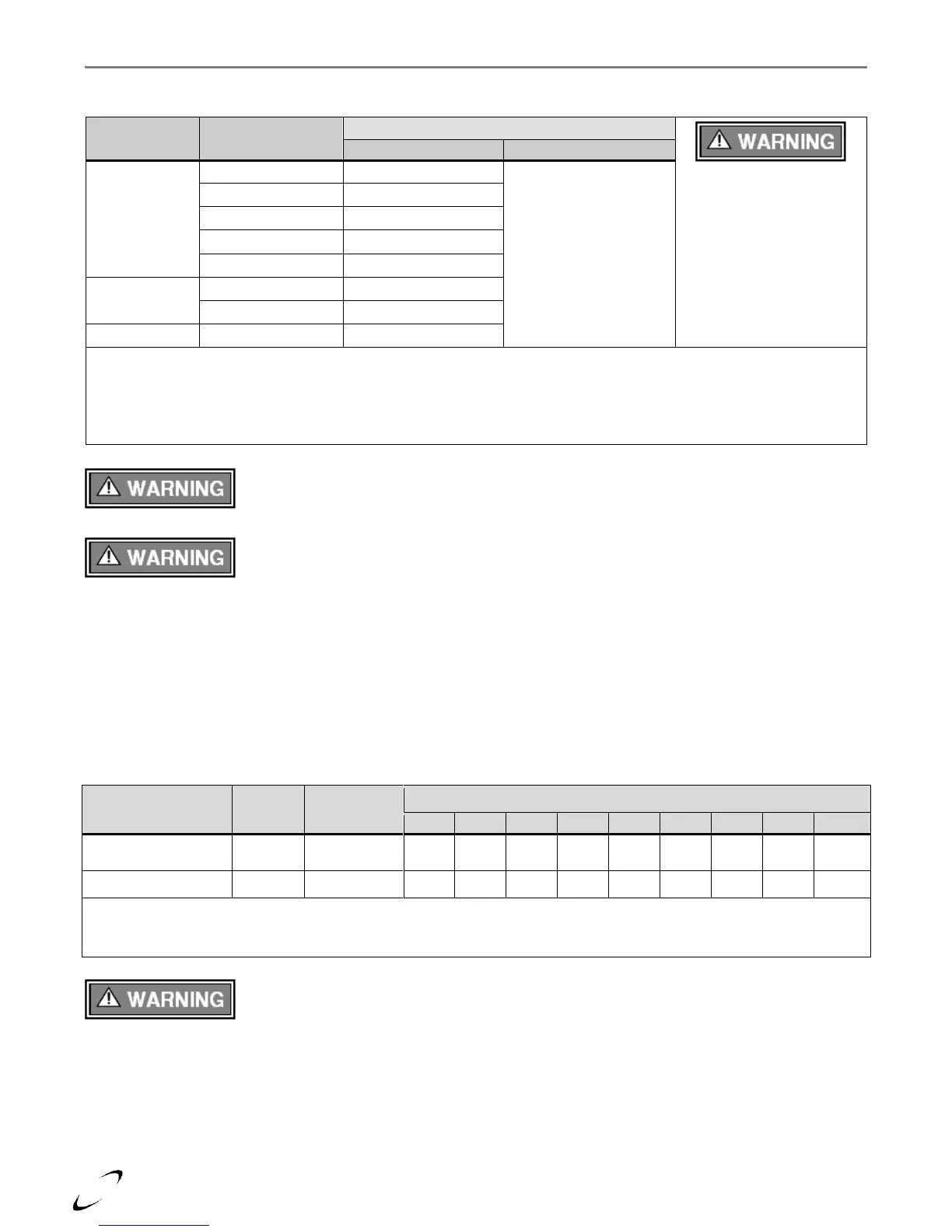
Table 4-2 Approved Vent and Air-inlet Pipe Material
All Vent and Air-Inlet
materials installed on gas
fired appliances in CAN/US
must meet the specifications
provided in this Table.
Failure to comply could
result in fire, serious injury
or death.
In Canada, all exhaust
vent material must be
ULC S636 approved.
Notes:
1
Refer to Table 4-5 for Allowable Vent and Air-inlet Pipe Sizes and Lengths.
2
PVC venting (exhaust and air-inlet) is not permitted within the Closet/alcove of a Closet/alcove installation.
3
The Air-inlet does not require high temperature pipe material; ABS and PVC Foam Core piping is acceptable. Check
applicable local codes for acceptable materials.
The use of cellular core PVC (ASTM F891), cellular core CPVC, or Radel®
(polyphenolsulfone) in the exhaust venting system is prohibited. Failure to follow these
instructions may result in property damage, personal injury or death.
Covering non-metallic vent pipe and fittings with thermal insulation is prohibited. Failure
to follow these instructions may result in property damage, personal injury or death.
Vent/Air-inlet Pipe Length Determination
Use Table 4-3 to determine the maximum pipe length that can be used. The table calculates 90º elbows, and 45º
elbows at 5 equivalent feet each.
Example: When using 3 in. pipe, the FTV can be installed with 150 equivalent feet of air-inlet piping and 150
equivalent feet of exhaust-vent piping. See Table 4-3 for more details.
Table 4-3 Allowable Vent and Air-inlet Pipe Size and Lengths
Number of Elbows (90’s or 45’s) and Equivalent Feet
FTV110/110C &
FTV150/150C Only
Notes:
1
See WARNING below.
2
Minimum length of each the exhaust vent and combustion air-inlet piping is 6 feet equivalent.
PVC Exhaust Venting – When using 2 inch PVC venting, the first seven (7) equivalent
feet of exhaust venting must be approved 2 inch CPVC or 3 inch PVC.



 To Next Page