Installation and Operation Instructions Matrix
15.0 HEAT RECOVERY VENTILATION
Ventilation Requirements
With the evolution toward more energy efficient, tighter homes, air quality problems have increased. With less
natural ventilation, pollutants such as pet dander, humidity, tobacco smoke and wood ash now become trapped
inside the home. Mechanical ventilation is the process of exhausting the polluted air from the space and replacing
it with fresh air from outside. The amount of ventilation required varies from home to home and can be estimated
using one of two methods, “Room Count Calculation Method” or “Air Changes per Hour Method”; see below:
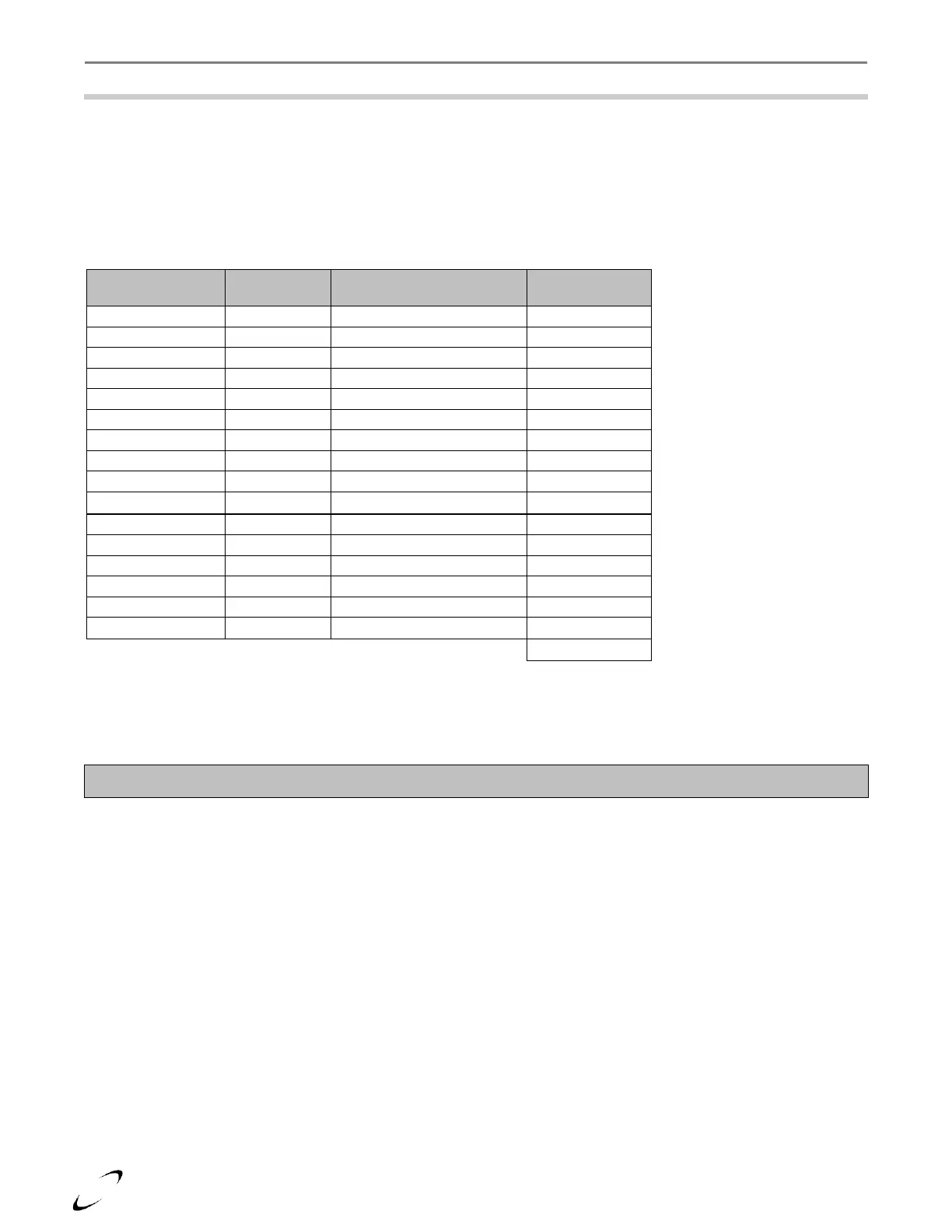
Table 15-1 Room Count Calculation Method
Total Ventilation Requirement (sum last column)
Air Change per Hour Method:
Example: A 25’ x 40’ house with basement
1000 sqft x 8’ high x 2(main floor and basement) = 16,000 cu.ft
16,000 x .3 air changes per hour = 4,800 cu.ft/hr
4,800 cu.ft/hr / 60 = 80 cfm
80 cfm is ventilation requirement
Total cu.ft x 0.3 / 60 = Total Ventilation Required



 To Next Page