26
240011511 REV. C [05/31/2017]
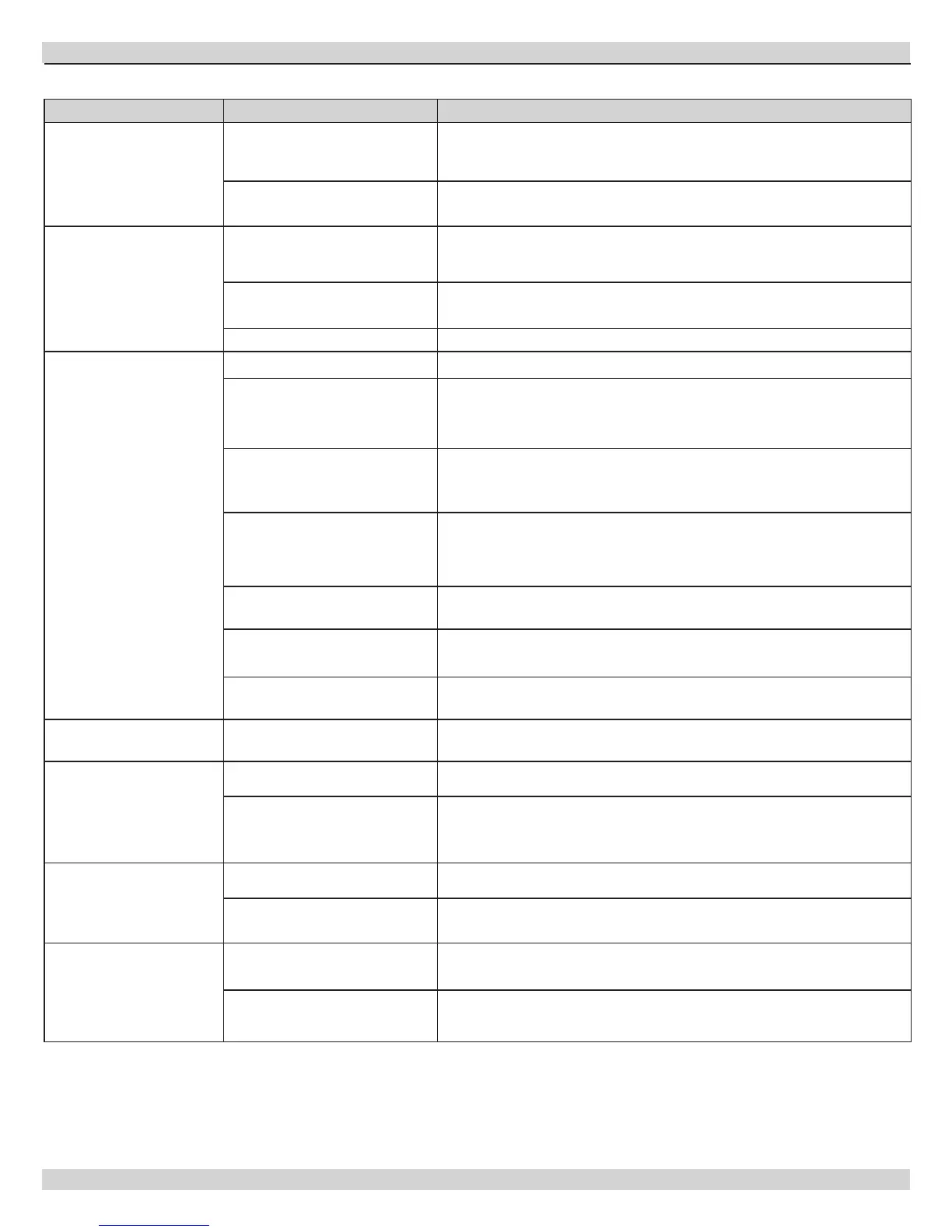
Table C-3: System and General Troubleshooting continued
Problem Possible Cause Remedy
Too much smoke.
Insufcient combustion air
adjustment at oil burner, or
improper draft pressure.
Adjust oil burner combustion air band and draft regulator to gain highest
practical CO2 or lowest practical O2 content in ue gases.
See Burner Set Up.
Heat exchanger partially
clogged.
Check for soot build-up in heat exchanger ue passages, especially in
outer radiator.
Soot building up on blast
tube (end coning).
Poor alignment between oil
burner blast tube and re pot.
Check alignment. Blast tube should be centered with re pot burner
opening. Oil burner head should be ¼ inch back from inside surface of re
pot.
Flame impingement caused by
Incorrect nozzle angle.
Check nozzle size and angle. (See Appendix A).
Check distance from head to inside surface of re pot.
Defective re-pot Check re-pot. Repair or replace.
Furnace will not warm
home to desired
temperature.
Airow blocked or dirty air lter. Clean or replace air lter.
Thermostat adjustments or
location.
Check thermostat heat anticipator setting against measured amperage
draw. Increase heat anticipator setting if necessary. If thermostat is being
inuenced by drafts, sunlight, duct work, etc., relocate to suitable location.
Insufcient airow.
Check all dampers. Open closed dampers including registers in unused
rooms.
Check system temperature rise. If temperature rise is too high, speed up
blower fan.
Defective high limit control.
Test high limit function of all limit switches. Use duct thermometer to verify
accuracy of limit control.
Check for obstructions to airow around limit switch bimetal elements.
Replace control if necessary.
Under-sized nozzle.
Check nozzle. If problem is not caused by air ow problems, use larger
nozzle, if permitted by rating plate.
Blower fan motor stopping
intermittently on overload.
Check blower fan motor amperage draw.
Check motor ventilation ports, clean if necessary. Replace motor if
necessary.
Burner motor stopping
intermittently on overload.
Check burner motor. Replace if necessary.
Home does not heat
evenly
Improper distribution of heat. This is not likely to be a furnace problem. Balance duct system.
Supply air temperature
too hot.
Airow blocked or dirty air lter. Clean or replace air lter.
Insufcient airow.
Check all dampers. Open closed dampers including registers in unused
rooms.
Check system temperature rise. If temperature rise is too high, speed up
blower fan.
Supply air temperature
too cool.
Excess airow. Check system temperature rise. Slow down blower fan if necessary.
Excessive duct losses.
Check supply air ductwork. Seal leaky joints and seams. Insulate ductwork
if necessary.
Supply air temperature
too cool during rst
moments of furnace cycle.
Fan control "fan on" setting too
low.
Increase "fan on” dipswitch settings on EFT if control has this option.
Register air deectors may help.
Excessive duct losses.
Check supply air ductwork. Seal leaky joints and seams. Insulate ductwork
if necessary.
APPENDIX C - SEQUENCE OF OPERATION AND TROUBLESHOOTING


 To Next Page