Español Français English
ACXF55-18720
Model No.
Indoor Unit Outdoor Unit
CS-TZ20TKEW-1
CS-TZ25TKEW-1
CS-TZ35TKEW-1
CS-TZ42TKEW-1
Single Split (R32)
CU-TZ20TKE-1
CU-TZ25TKE-1
CU-TZ35TKE-1
CU-TZ42TKE-1
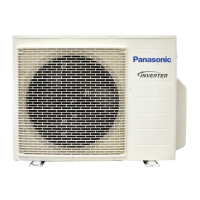
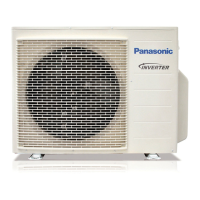
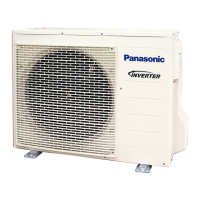
* Outdoor Unit
Multi Split (R410A)
CU-3E18PBE
CU-4E23PBE
CU-4E27PBE
CU-5E34PBE
CU-2E12SBE
CU-2E15SBE
CU-2E18SBE
CU-3E23SBE
CU-2RE15SBE
CU-2RE18SBE
CU-3RE18SBE
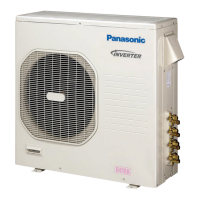
* Outdoor Unit
Multi Split (R32)
CU-2Z35TBE
CU-2Z41TBE
CU-2Z50TBE
CU-3Z52TBE
CU-3Z68TBE
CU-4Z68TBE
CU-4Z80TBE
CU-5Z90TBE
CU-2TZ41TBE
CU-2TZ50TBE
CU-3TZ52TBE
Operating Instructions
Air Conditioner
Operating Instructions
Air Conditioner
2-23
Before operating the unit, please read these operating
instructions thoroughly and keep them for future reference.
The included Installation Instructions should be kept and read
by the installer before installation.
Remote control is packaged in the indoor unit and removed
by the installer before installation.
* Kindly consult authorised dealer for connectivity validity.
Comment utiliser l’appareil
Climatiseur
24-45
Avant d’utiliser l’appareil, veuillez lire ce mode d’emploi dans
son intégralité et conservez-le pour toute référence ultérieure.
Le manuel d’installation inclus doit être conservé et lu par
l’installateur avant l’installation.
La télécommande est emballée dans l’unité intérieure et
retirée par l’installateur avant l’installation.
* Consultez un revendeur agréé pour connaître la validité de
la connectivité.
Instrucciones de funcionamiento
Climatizador de aire
46-67
Antes de utilizar la unidad, sírvase leer atentamente estas
instrucciones de funcionamiento y conservarlas para futuras
consultas.
El instalador debe guardar y leer las Instrucciones de
instalación incluidas antes de la instalación.
El mando a distancia viene embalado en la unidad interior y
debe ser retirado por el instalador antes de la instalación.
* Consulte a un distribuidor autorizado para conocer la
validez de la conectividad.


 To Next Page

 General