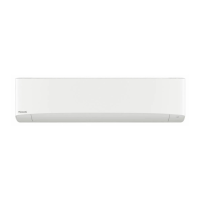
This document provides operating instructions for a Panasonic Middle Static Pressure Duct (Type F3) air conditioner, designed for commercial use. It covers installation, operation, maintenance, and troubleshooting.
Function Description
The Panasonic Middle Static Pressure Duct air conditioner is an indoor unit (Type F3) that works in conjunction with an outdoor unit (Single Split). It is designed to provide comfortable room conditions by cooling or heating the air. The unit can be installed either horizontally in the ceiling or vertically, with air intake from the rear side.
A key feature of this air conditioner is the integrated nanoe™ X Function. This biocidal product generates negative ions using ambient air or water, which are then released into the room. The nanoe™ X function aims to provide healthier air by deactivating bacteria and viruses, reducing odors, and inhibiting mold growth on surfaces. By default, this function operates automatically upon purchase. Users can refer to the remote controller's operating instructions if they wish to turn it off, though its effectiveness may vary depending on installation conditions.
The air conditioner operates in various modes, including cooling, heating, and "DRY" operation. During "DRY" operation, once the room temperature reaches the set level, the outdoor unit cycles on and off automatically. If the room temperature is close to the set level, the fan speed automatically adjusts to a "breeze" (light wind) setting.
In the event of a power failure while the unit is running, it is designed to automatically resume operation with the settings that were active prior to the power failure.
Usage Features
The air conditioner can be controlled using various optional remote controllers, including Wireless Remote Controller (Model No. CZ-RWS3 with receiver CZ-RWRC3), Timer Remote Controller (Model No. CZ-RTC4), High-spec Wired Remote Controller (Model No. CZ-RTC5B), and Wired Remote Controller (Model No. CZ-RTC6 series). Detailed operating instructions for adjusting airflow direction and other settings are provided with each remote controller.
For optimal energy saving, users are advised to avoid blocking the air intake and outlet of the unit, as obstruction can impair performance and cause malfunction. During cooling operation, using sunshades, blinds, or curtains can help prevent direct sunlight from entering the room, thereby improving efficiency. Keeping windows, doors, and other openings closed also helps prevent conditioned air from escaping.
The unit also features a defrosting operation during heating mode to melt frost formed on the outdoor unit. During defrosting, the indoor unit fan may stop or run at a very slow speed, and a "STANDBY" indicator may appear. Heating operation resumes after several minutes once the indoor heat exchanger coil warms up sufficiently.
Maintenance Features
Regular maintenance is crucial for the air conditioner's performance and longevity. Users are advised to keep the air filter clean, as a clogged filter can impair the unit's performance. For air filter cleaning, users should consult their dealer or service center.
For safety, it is essential to turn off the air conditioner and disconnect the power before any cleaning or servicing to prevent electric shock or injury from rotating fan parts. Water should not be poured on the indoor unit, as this can damage internal components and cause electric shock. Solvents, harsh chemicals, or very hot water should not be used to wipe plastic parts, as this may cause deformation or discoloration. Care should be taken when cleaning metal edges and sharp aluminum fins to avoid injury. For indoor units installed in high locations, a firm stool or ladder should be used.
The internal coil and other components of the outdoor unit require periodic cleaning, which should be performed by a dealer or service center. Users should not attempt to clean the inside of the indoor or outdoor units themselves.
In case of any malfunction, such as frequent ELCB trips, the unit not starting, power disconnection when the cord is moved, burnt odor, abnormal noise, deformation, abnormal heat, water leaks, or uncontrolled fan speed, users should immediately stop using the product, disconnect power, and contact their local dealer for maintenance or repair. The document explicitly states that users should not attempt to repair the appliance themselves.



 To Next Page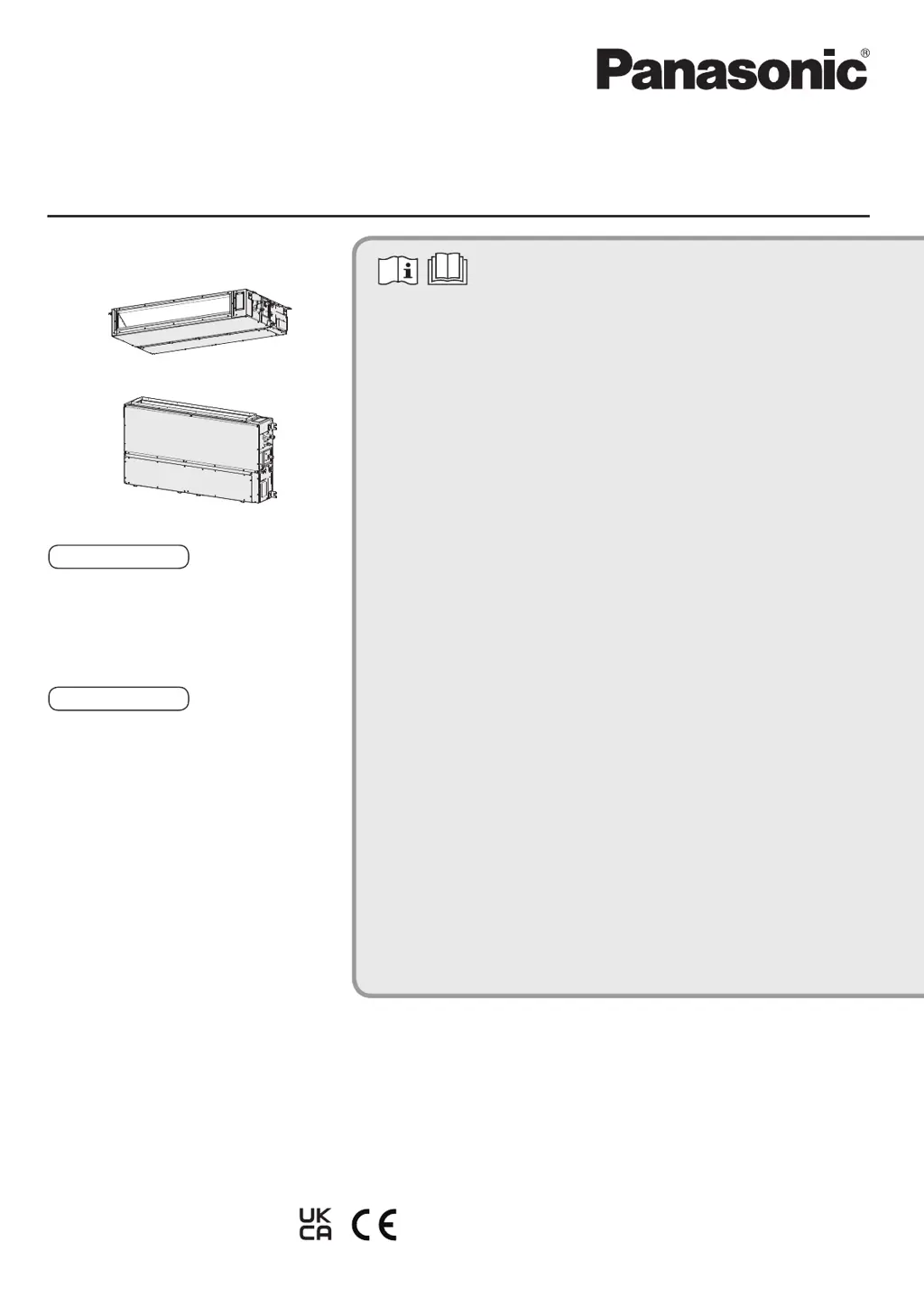
 General