23
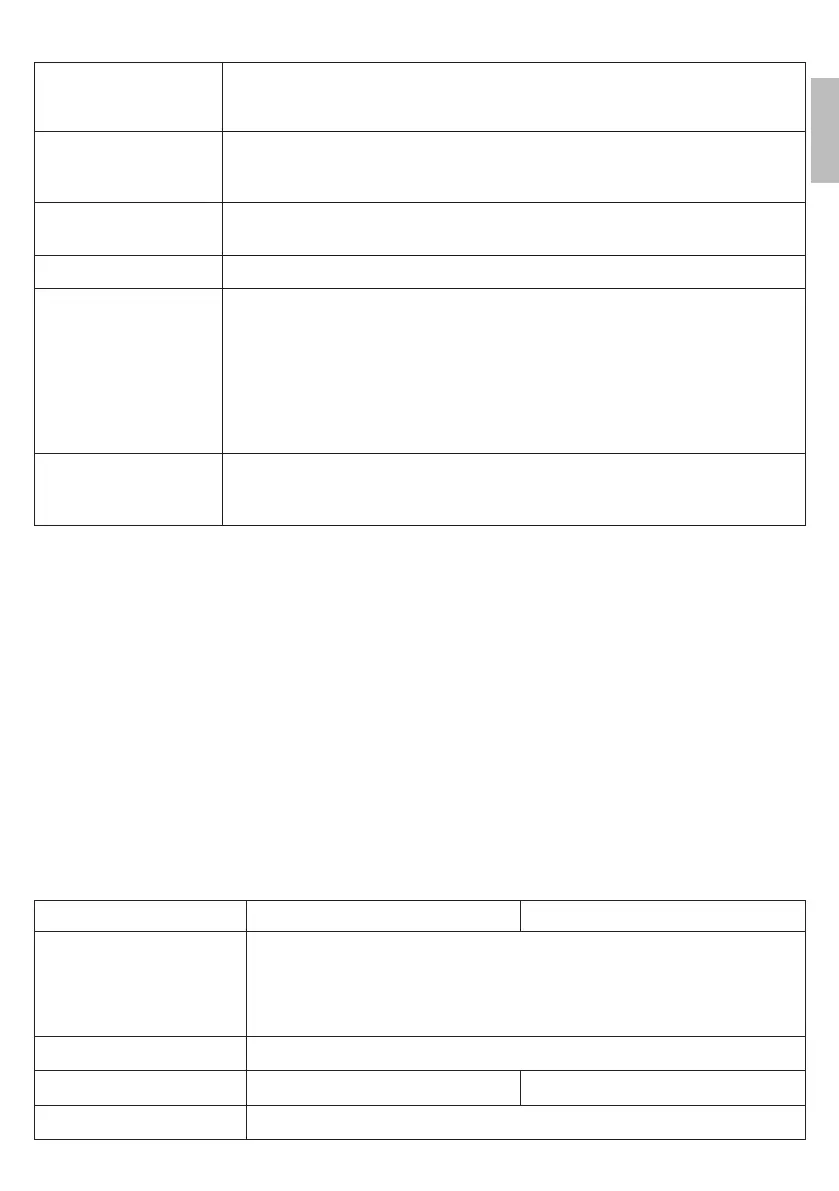
Common
breastfeeding-
related condition
Description
Engorgement Swelling of the breast. The breast may feel hard, lumpy and tender. May
include erythema (redness) of the breast area and fever. Usually occurs
during the rst days of lactation.
Bruise A reddish-purple discoloration that does not fade when pressed. When a
bruise fades, it may become green and brown.
Thrombus Thrombus can result into tenderness, pain, redness, swelling and/or heat.
Injured tissue on nipple
(nipple trauma)
- Fissures or cracked nipples.
- Skin tissue peeling o the nipple. Normally occurs in combination with
cracked nipples and/or blisters.
- Nipple tear.
- Blister. Looks like small bubbles on the surface of the skin.
- Bleeding. Cracked or torn nipples can lead to bleeding of the aected
area.
Clogged mammary
ducts
A red, tender lump on the breast. May include erythema (redness) of the
breast area. Can lead to mastitis (breast inammation) and fever if left
untreated.
Storage conditions
Keep the breast pump out of direct sunlight as prolonged exposure may cause discoloration. Store
the breast pump and its accessories in a safe, clean and dry place.
If the device has been stored in a hot or cold environment, place it in an environment with a
temperature of 20 °C (68 °F) for 30 minutes to let it reach a temperature within the usage conditions
(5 °C to 40 °C / 41 °F to 104 °F) before you use it.
Electromagnetic elds (EMF)
This Philips device complies with all applicable standards and regulations regarding exposure to
electromagnetic elds.
Technical information
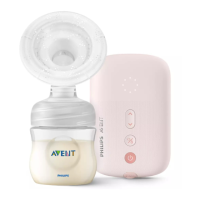
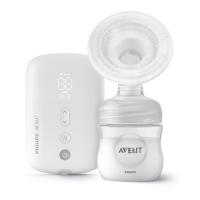
Single electric breast pump Double electric breast pump
Vacuum level
Stimulation: -60 to -200 mbar (-45 to -150 mmHg)
Expression: -60 to -360 mbar (-45 to -270 mmHg)
Adjustable in steps of 20 mbar
Intermittent vacuum
Cycle speed
53-120 cycles/min.
Motor unit rated input 5 V d.c. / 1.1 A 5 V d.c. / 1.8 A
Mains adapter rated input External mains adapter 100-240 V a.c. / 50/60 Hz
English
English




 To Next Page