29
C.4 Special short messages
If there are several projectors in the chain (>10) or high RS232 traffic, it is strongly recom-
mended that an alternative shorter message is used. This will reduce the processing load
at the first projectors in the chain.
In a short message byte number 20 (19 for non-address) to 33 (32 for non-address) is
omitted. The message header must be updated with correct payload size, i.e byte 5 and
byte 6 (4 and 5 for non-address). If only 19 (18 for non-address) bytes is in use then the
payload size is set to 11 (0x0B). See example in section 2.5.
Note that a DESCRIPTOR message should not be sent with a short message, because
that type of message use bytes 20 – 33 in the response. All other message types can be
used.
C.5 Examples
All available RS232 operations are described in Appendix C, and apply to the 32 bytes
non-address protocol. To use with the address information the two first bytes 0xBE 0xEF
must be replaced with the 0xBA 0xDA and an address byte.
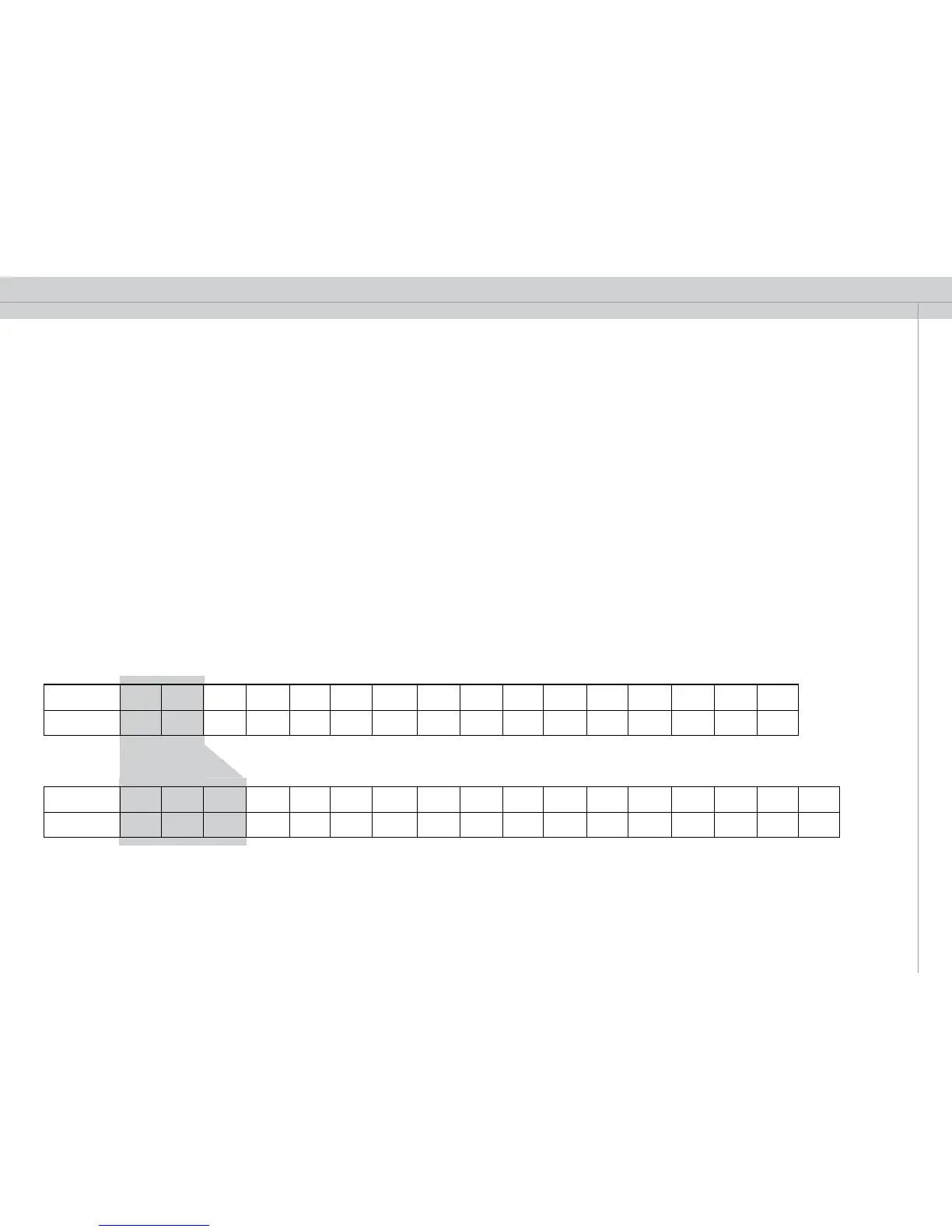
Figure 2 shows the conversion from 32 bytes non-address to 33 bytes address message
for “select VGA1”.
Figure 2: Convert from 32-bytes non-address message to 33 bytes address message
32 bytes non-address message
33 bytes address message
[addr] = address 0x00 - 0xFF
Byte 1 2 3 4 5 6 7 8 9 10 11,12 13 14-16 17 18 19-32
Select vga1 0xBE 0xEF 0x03 0x19 0x00 0xEA 0xE9 0x01 0x044 0x00 0x00 0x00 0x00 0x00 0x00 0x00
Byte 1 2 3 4 5 6 7 8 9 10 11 12-13 14 15-17 18 19 20-33
Select vga1 0xBA 0xDA 0x05 0x03 0x19 0x00 0x00 0x00 0x01 0x00 0x44 0x00 0x00 0x00 0x00 0x00 0x00


 To Next Page