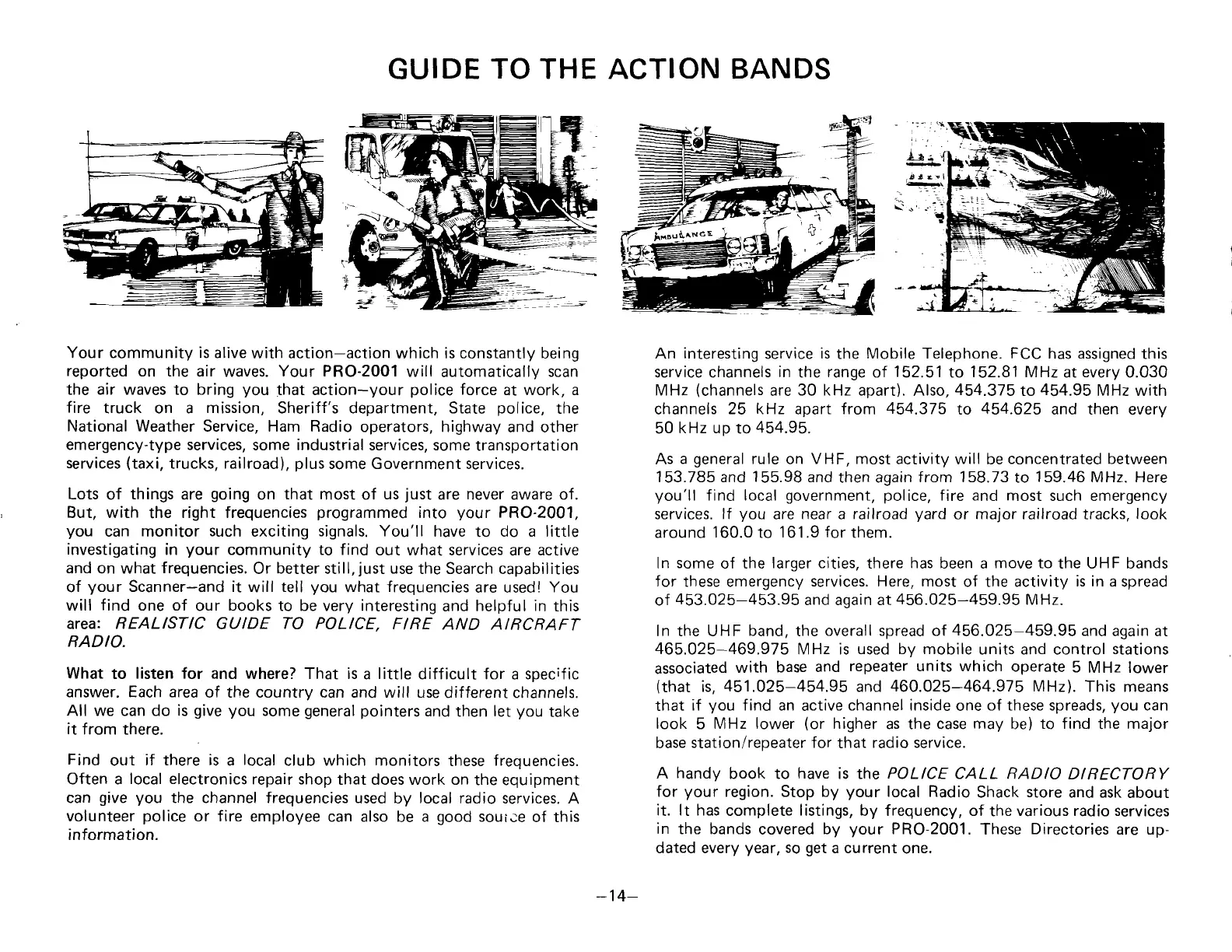
Your
community
is
alive with action-action
which
is constantly
being
reported
on the
air waves.
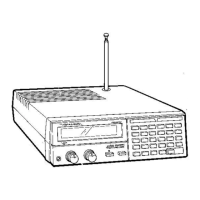
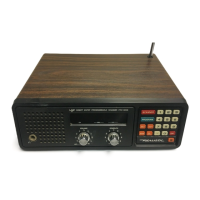
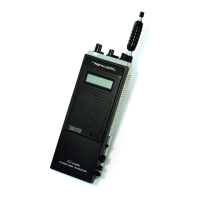
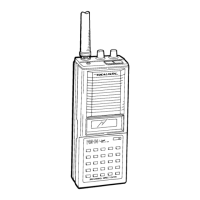
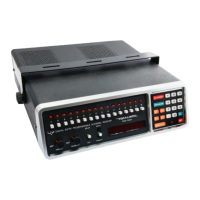
Your PRO-2001
will
automatically
scan
the air waves to bring
you
that
action-your
police
force
at
work, a
fire
truck on a mission, Sheriff's department, State
police,
the
National Weather Service, Ham Radio
operators, highway
and other
emergency-type services,
some industrial services, some
transportation
services
(taxi,
trucks, railroad),
plus
some Government services.
Lots
of
things
are
going
on
that
most of
us
just
are never aware of.
But, with
the
right frequencies
programmed
into
your
PRO-2001,
you
can monitor
such
exciting
signals. You'll
have
to
do a little
investigating
in
your
community to find
out what services
are
active
and on what
frequencies.
Or
better
still,
just
use
the Search capabilities
of
your
Scanner-and it
will
tell
you
what
frequencies
are usedl
You
will
find
one
of
our books to be very interesting
and helpful
in
this
area:
REALISTIC
GUIDE
TO POLICE.
FIRE
AND AIRCRAFT
RADIO.
What
to
listen for
and where? That is
a
little
difficult for
a
specific
answer. Each area
of the country can and will
use different channels.
All we can do is
give
you
some
general
pointers
and
then
let
you
take
it
from there.
Find
out
if there
is
a
local
club which monitors
these
frequencies.
Often a
local electronics
repair shop
that does work on
the equipment
can
give you
the channel frequencies
used by
local
radio
services. A
volunteer
police
or fire
employee can also
be
a
good
souiJe
of this
information.
GUIDE
TO
THE ACTION BANDS
An
interesting
service
is
the
Mobile Telephone.
FCC
has
assigned
this
service channels
in
the
range
of
152.511o
152.81 MHz
at
every
0.030
MHz
(channels
are
30 kHz apart).
Also,
454.315
to
454.95
MHz with
channels
25 kHz
apart
from
454.375
to
454.625
and then
every
50
kHz uo
to
454.95.
As
a
general
rule
on
VHF, most
activity will be
concentrated between
153.785 and
155.98
and
then again
from 158.73
to
159.46
MHz. Here
you'll
find local
government, police,
fire and
most such emergency
services.
lf
you
are near a
railroad
yard
or major railroad tracks,
look
around
160.0
to
161.9 for
them.
In
some
of
the
larger cities,
there
has
been a
move
to the UHF bands
for
these emergency
services. Here, most
of the activity
is in a
spread
of
453.025-453.95
and again at
456.025-459.95
MHz.
In the UHF
band,
the
overall spread of
456.025-459.95
and again at
465.025-469.975
MHz is
used by mobile
units and control
stations
associated
with
base
and
repeater units which
operate
5
MHz lower
(that
is,
451.025-454.95
and
460.025-464.975 MHz).
This means
that
if
you
f ind an
active
channel inside
one
of these spreads,
you
can
look
5 MHz
lower
(or
higher
as the case
may
be)
to find
the
major
base
station/reoeater for
that
radio service.
A
handy
book to
have
is the
POLICE
CALL RADIO
DIRECTORY
for
your
region. Stop by
your
local Radio
Shack
store
and ask
about
it. lt has
complete
listings,
by frequency, of
the
various radio services
in
the bands
covered
by
your
PRO-2001.
These
Directories
are
up-
dated every
year,
so
get
a current
one.
-14-


 To Next Page