
 To Next Page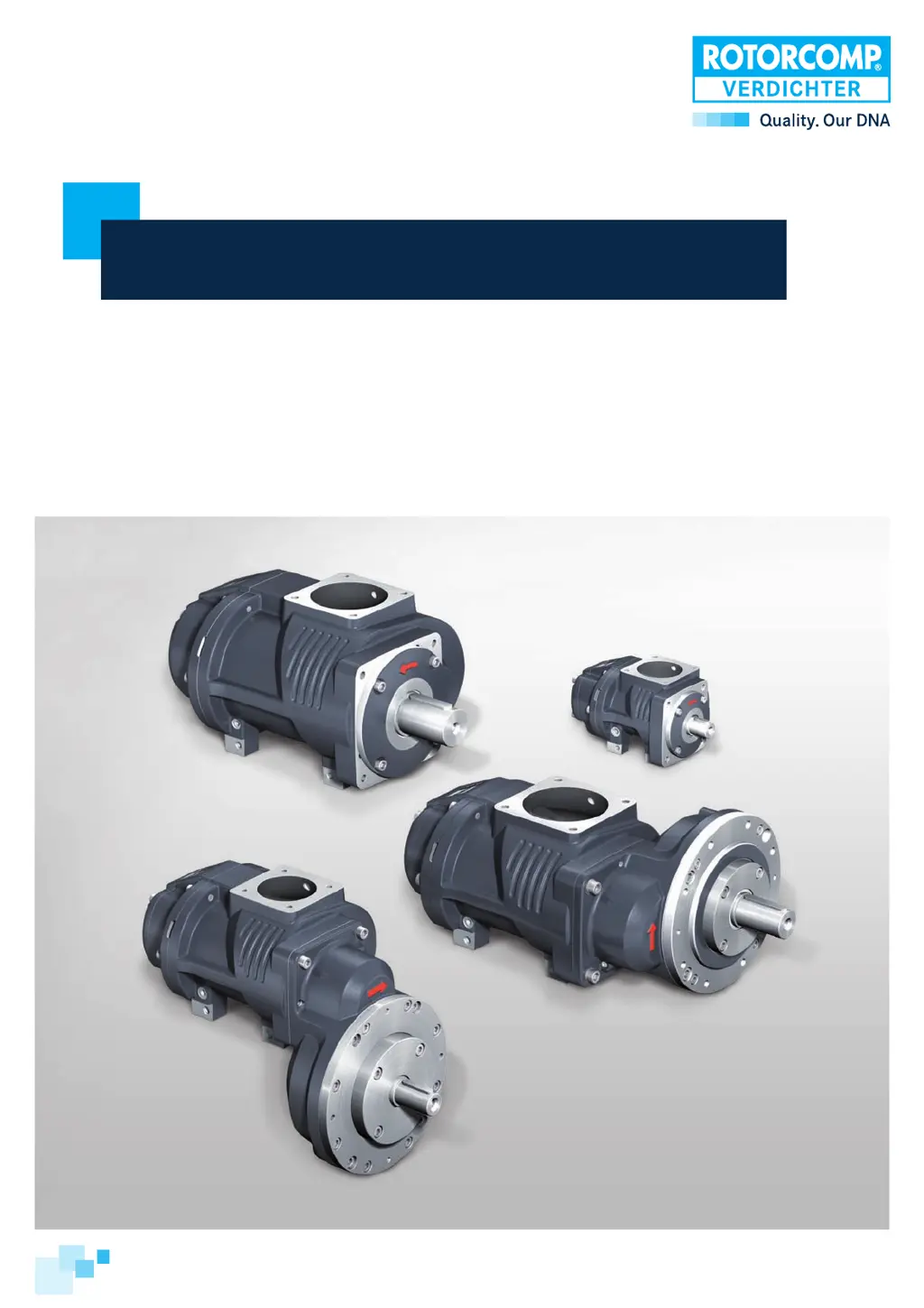
C
Cynthia StoneSep 23, 2025
What to do if leaks in system of ROTORCOMP EVO2?
- BBrian PierceSep 23, 2025
If there are leaks in the system of your ROTORCOMP Compressor, check and seal them off.

What to do if leaks in system of ROTORCOMP EVO2?
If there are leaks in the system of your ROTORCOMP Compressor, check and seal them off.
What to do if the safety valve blows off on my ROTORCOMP EVO2?
If your ROTORCOMP Compressor's safety valve blows off, the safety valve might be defective and needs replacement.
Why does my ROTORCOMP EVO2 Compressor system not start?
If your ROTORCOMP Compressor system does not start, the cause might be a lack of electricity. In this case, you should check the power supply.
Why is there oil in the compressed air from my ROTORCOMP EVO2?
If there is oil in the compressed air of your ROTORCOMP Compressor, it could be due to the fine separator cartridge being defective. Check the cartridge and replace it if necessary.
Why is there no or insufficient feed quantity from my ROTORCOMP EVO2?
If your ROTORCOMP Compressor experiences no or insufficient feed quantity, the intake filter might be soiled. Replace the filter insert to resolve this issue.
What to do if minimum pressure valve jammed and ROTORCOMP Compressor doesn't switch off automatically?
If your ROTORCOMP Compressor is not discharged during continuous operation, or doesn't switch off automatically during intermittent operation, and the minimum pressure valve is jammed, check the minimum pressure valve for smooth movement and ensure it moves smoothly if necessary.
What installation errors cause overheating in my ROTORCOMP Compressor?
If the combistat switches off due to excessively high temperature in your ROTORCOMP Compressor, the issue might stem from incorrect installation, such as inadequate room ventilation, blocked exhaust air, or a thermal short circuit. Observe the installation recommendations for the system.
Why doesn't the control valve close in my ROTORCOMP EVO2?
If your ROTORCOMP Compressor's control valve does not close, check the setting of the pressure switch or control valve.
What should I do if the oil cooler is causing my ROTORCOMP EVO2 to overheat?
If the combistat switches off due to excessively high temperature on your ROTORCOMP Compressor, the oil cooler may be soiled. Clean the oil cooler on the air side, and if necessary, clean it on the oil side as well.
How to fix a faulty thermostat causing high temperature shutdown in my ROTORCOMP Compressor?
If the combistat switches off due to excessively high temperature in your ROTORCOMP Compressor, it might be due to a faulty thermostat. Replace the thermostat to resolve this.
Covers general information, scope, and change service status of the manual.
Details manufacturer's information, purpose, delivery, and optional components.
Outlines warranty conditions, liability disclaimers, and nameplate identification.
Explains the meaning of warning, caution, and note symbols used for safety information.
Lists national and international regulations relevant to operating pressure vessels and safety.
Provides essential general safety instructions for installation, commissioning, operation, and maintenance.
Details specific symbols indicating hazards and their meanings.
Lists required personal safety equipment and guidelines for its use.
Provides a general overview and identification of key components for EVO compressor air ends.
Illustrates different models of screw compressor air ends with horizontal and vertical transmissions.
Details how the system is delivered and packed according to shipping methods.
Outlines procedures for checking and reporting transport damage to ensure claims are valid.
Provides instructions and warnings for safely moving unpacked screw compressor air ends.
Covers assembly, fastening methods, and three-point fastening for secure mounting.
Details requirements for connecting pipes to the compressor air ends, avoiding damage.
Lists safety precautions to be observed during installation and assembly of the system.
Provides guidance on installation location, alignment, and drive system connection.
Details proper installation and considerations for belt drives, including tensioning.
Covers direct drive installation, emphasizing alignment and use of centering flanges.
Specifies requirements for air inlet quality and filtration for optimal compressor operation.
Specifies requirements for air outlet connections to minimize pressure loss and ensure safety.
Provides information on oil cooling system design requirements and considerations for optimal performance.
Highlights accessibility requirements for service points during system installation for ease of maintenance.
Details essential checks and procedures required before initial system commissioning.
Explains how to correctly check the rotation direction of the compressor air end to prevent damage.
Outlines critical steps and precautions to be observed during the initial test run of the system.
Specifies measures required for recommissioning systems that have been shut down for extended periods.
Emphasizes safety rules and procedures for authorized personnel performing maintenance work.
Details the importance of oil level, how to check it, and potential hazards.
Covers procedures, intervals, draining, and refilling for oil changes.
Provides a template for recording maintenance activities performed on the system.
Offers reference values for maintenance tasks based on operating hours and time periods.
Specifies suitable oil types and manufacturers for screw compressor air ends.
Provides guidance on topping up oil, emphasizing brand and type consistency.
Outlines measures to prevent freezing and ensure operation at low room temperatures.
Warns about potential damage to plastic piping systems from compressor oil.
Covers pressure dew point, temperatures, condensate damage, and cold starts.
Discusses oil separation performance and the prohibition of multigrade oils.
Lists key technical specifications for various screw compressor air end models.
Provides maximum permissible tightening torques for different screw/bolt types.
Lists common faults, their possible causes, and remedies for system issues.
 General
| Brand | ROTORCOMP |
|---|---|
| Model | EVO2 |
| Category | Compressor |
| Language | English |
