SL7 GNSS RTK System User Manual
www.satlab.com.se 9
1.1 Foreword
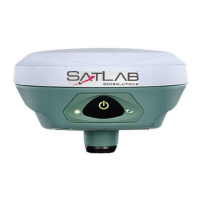
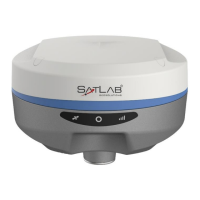
SL7 GNSS receiver brings superior performance and high efficiency that will support your fieldwork with reliable
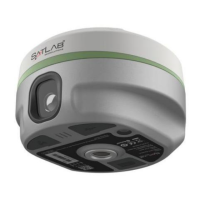
solutions. Equipped with an upgraded high-definition starlight camera, SL7 brings out an excellent visual stakeout
experience in low-light conditions. The compact and lightweight design makes SL7 a feasible and portable choice
for engineering personnel in collecting data and improving positional accuracy.
1.2 Features
1. With an ultra-light EPP material instrument case it is more durable and portable.
2. A lower camera is used for AR stakeout with an accuracy of better than 1 cm.
3. The inclusion of a high-performance patch antenna both enhances the low elevation angle tracking capabilities
and maintains a high gain for higher elevation satellites.
4. It can bring accurate and reliable results and boost efficient fieldwork with a self-developed built-in IMU and
core algorithm.
5. Hi-Fix technology enables both continuous connectivity and quality results as a certain level of accuracy
continues to be guaranteed even in the absence of differentials.
1.3 Use and precautions
The SL7 receiver is designed to be resistant to both chemicals and impact, but precision instruments require
careful use and maintenance and care should be taken.
Notice:
This equipment complies with radiation exposure limits set forth for a controlled environment.
This equipment should be installed and operated with a minimum distance of 1m between the
radiator and your body. This transmitter must not be co-located or operated in conjunction with
any other antenna or transmitter.
We recommend that a distance of 0.31m or more be maintained between this device and people
during operation. Operations closer than this distance is not recommended.
The product shall not be permanently installed outdoors because protection against water and
dust is not guaranteed Please bring back to indoors in rainy weather.
This device needs a license from the national regulatory authority before use.
The receiver must be within the specified temperature range when it is used and stored. For
detailed requirements, please refer to Chapter 3: Technical specification.


 To Next Page