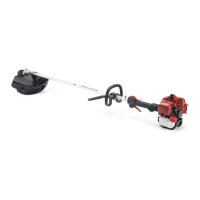
How to fix a loose spark plug on a Shindaiwa Trimmer?
- LLori CareyAug 18, 2025
If your Shindaiwa Trimmer isn't starting and you suspect a loose spark plug, simply tighten the spark plug and then try restarting the engine.
How to fix a loose spark plug on a Shindaiwa Trimmer?
If your Shindaiwa Trimmer isn't starting and you suspect a loose spark plug, simply tighten the spark plug and then try restarting the engine.
What to do if Shindaiwa C220 Trimmer engine does not start?
If your Shindaiwa Trimmer engine won't start, begin by ensuring the ignition switch is in the START (ON) position. Check the fuel: use clean, fresh unleaded gasoline with a pump octane of 87 or higher, mixed with Shindaiwa Premium 2-cycle mixing oil at a 50:1 gasoline/oil ratio. Inspect the spark plug; if loose, tighten it. If the plug is fouled or improperly gapped, clean and regap it to 0.6 ~ 0.7 mm. Replace the plug with an NGK BPMR6A if it's damaged or the wrong size. If the plug is wet, indicating excess fuel, crank the engine with the plug removed, then replace the plug and try restarting. Replace the fuel filter or vent if needed.
Why Shindaiwa Trimmer engine does not start?
Your Shindaiwa Trimmer engine might not start due to several reasons. It could be due to incorrect, stale, or contaminated fuel, or an incorrect fuel mixture. Refill with clean, fresh unleaded gasoline with a pump octane of 87 or higher, mixed with Shindaiwa Premium 2-cycle mixing oil at a 50:1 gasoline/oil ratio. Another reason could be that the ignition switch is in the STOP (OFF) position; in that case, move the switch to the START (ON) position. Also, check the spark plug: if it's loose, tighten it. If the plug is fouled or improperly gapped, clean and regap it to 0.6 ~ 0.7 mm. If the plug is damaged or the wrong size, replace it with an NGK BPMR6A. Excess fuel in the cylinder can also prevent starting; if the plug is wet, crank the engine with the plug removed, replace the plug, and r...
Introduces Shindaiwa models and highlights critical safety warnings.
Details WARNING!, IMPORTANT!, NOTE:, and CAUTION! statement definitions.
Explains the meaning of various safety labels affixed to the machine.
Details necessary protective gear for safe operation.
Outlines safe handling, footing, and grip during operation.
Stresses training, alertness, fitness, and fire prevention measures.
Advises on safe operation in various environments and awareness of hazards.
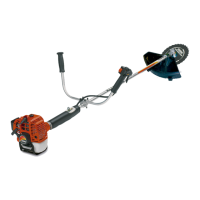
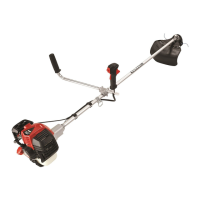
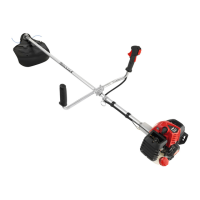
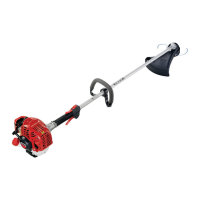
Illustrates and labels key components of the F220, T220, and C220 models.
Warns about engine exhaust health risks and prohibits unauthorized modifications.
Provides detailed technical specifications for each model (F220, T220, C220).
Instructs to check for all required components and inspect for damage.
Loosening the joint bolt before assembling the outer tube.
Steps for assembling the outer tube and securing the joint.
Provides instructions for attaching handlebars for F220 and T220 models.
Steps for positioning and securing the handle for the C220 model.
Explains how to adjust throttle cable free play for optimal response.
Details attaching the cutting attachment shield for the F220 model.
Explains shield assembly for the T220 and C220 models.
Steps for installing trimmer heads on F220, T220, and C220 models.
Details clockwise installation of the trimmer head for F220.
Details counter-clockwise installation of the trimmer head for T220/C220.
Critical warnings for safe blade mounting and operation.
Step-by-step guide for mounting blades onto the unit.
Specific steps for installing a trimmer head on the C220 model.
Detailed instructions for safely filling the fuel tank with the correct mixture.
Comprehensive guide for starting the engine, including cold and warm starts.
Simple instructions for properly stopping the engine.
Guide on how to adjust the engine idle speed correctly.
Outlines the procedure for starting a warm engine, noting differences.
Lists essential checks for attachments, accessories, and overall unit condition.
Warns against using non-recommended parts or damaged attachments.
Advises on operating the engine at full throttle for cutting.
Instructions for adjusting and using the standard shoulder strap.
Guidance on operating with trimmer heads for grass trimming, mowing, and edging.
Covers blade safety, understanding blade thrust, and proper handling.
Emphasizes the importance of handlebars/barrier bars for blade safety.
Details blade rotation, cutting angles, vertical cuts, and safety warnings.
Lists recommended trimmer heads and blades for T220/C220.
Lists recommended trimmer heads for the F220 model.
Emphasizes safety, prohibits blade repair, and lists daily checks.
Covers air cleaner, spark plug, and cylinder maintenance tasks.
Provides procedures for lubricating the gearcase and flexible shaft.
Instructions for fuel filter inspection and replacement.
Advises cleaning the muffler's spark arrester screen for performance.
Steps for preparing the machine for storage, including fuel stabilization.
Details blade sharpening technique and crucial safety warnings.
Guide to diagnose and resolve issues when the engine fails to start.
Addresses causes and solutions for low power, overheating, rough running, and knocking.
Solutions for poor acceleration, abrupt stops, idle rotation, and difficult shutdown.
Identifies causes and remedies for excessive vibration.
States compliance with EU directives and lists technical documentation holder.
Provides contact and address details for Shindaiwa Kogyo Co., Ltd.
Introduces Shindaiwa models and highlights critical safety warnings.
Details WARNING!, IMPORTANT!, NOTE:, and CAUTION! statement definitions.
Explains the meaning of various safety labels affixed to the machine.
Details necessary protective gear for safe operation.
Outlines safe handling, footing, and grip during operation.
Stresses training, alertness, fitness, and fire prevention measures.
Advises on safe operation in various environments and awareness of hazards.
Illustrates and labels key components of the F220, T220, and C220 models.
Warns about engine exhaust health risks and prohibits unauthorized modifications.
Provides detailed technical specifications for each model (F220, T220, C220).
Instructs to check for all required components and inspect for damage.
Loosening the joint bolt before assembling the outer tube.
Steps for assembling the outer tube and securing the joint.
Provides instructions for attaching handlebars for F220 and T220 models.
Steps for positioning and securing the handle for the C220 model.
Explains how to adjust throttle cable free play for optimal response.
Details attaching the cutting attachment shield for the F220 model.
Explains shield assembly for the T220 and C220 models.
Steps for installing trimmer heads on F220, T220, and C220 models.
Details clockwise installation of the trimmer head for F220.
Details counter-clockwise installation of the trimmer head for T220/C220.
Critical warnings for safe blade mounting and operation.
Step-by-step guide for mounting blades onto the unit.
Specific steps for installing a trimmer head on the C220 model.
Detailed instructions for safely filling the fuel tank with the correct mixture.
Comprehensive guide for starting the engine, including cold and warm starts.
Simple instructions for properly stopping the engine.
Guide on how to adjust the engine idle speed correctly.
Outlines the procedure for starting a warm engine, noting differences.
Lists essential checks for attachments, accessories, and overall unit condition.
Warns against using non-recommended parts or damaged attachments.
Advises on operating the engine at full throttle for cutting.
Instructions for adjusting and using the standard shoulder strap.
Guidance on operating with trimmer heads for grass trimming, mowing, and edging.
Covers blade safety, understanding blade thrust, and proper handling.
Emphasizes the importance of handlebars/barrier bars for blade safety.
Details blade rotation, cutting angles, vertical cuts, and safety warnings.
Lists recommended trimmer heads and blades for T220/C220.
Lists recommended trimmer heads for the F220 model.
Emphasizes safety, prohibits blade repair, and lists daily checks.
Covers air cleaner, spark plug, and cylinder maintenance tasks.
Provides procedures for lubricating the gearcase and flexible shaft.
Instructions for fuel filter inspection and replacement.
Advises cleaning the muffler's spark arrester screen for performance.
Steps for preparing the machine for storage, including fuel stabilization.
Details blade sharpening technique and crucial safety warnings.
Guide to diagnose and resolve issues when the engine fails to start.
Addresses causes and solutions for low power, overheating, rough running, and knocking.
Solutions for poor acceleration, abrupt stops, idle rotation, and difficult shutdown.
Identifies causes and remedies for excessive vibration.
States compliance with EU directives and lists technical documentation holder.
Provides contact and address details for Shindaiwa Kogyo Co., Ltd.
| Engine Type | 2-stroke |
|---|---|
| Displacement | 21.2 cc |
| Power Output | 0.7 kW |
| Shaft Type | Straight |
| Starter System | Recoil |
Loading...