Turbine Package Operators Manual
s
1-1
Chapter 1
Turbine Package System Overview
Engine Core Assembly...................................................................................................................5
General Description...................................................................................................................................5
Air Inlet Casing...........................................................................................................................................5
Compressor Inlet Bearing Housing Assembly........................................................................................5
Compressor Stator Casings......................................................................................................................5
Center Casing and Bearing Housing Assembly......................................................................................6
Combustion System..................................................................................................................................6
Compressor Turbine Outer Casing..........................................................................................................6
Compressor Turbine Nozzle Assembly Stage 1 and Duct .....................................................................6
Turbine Rotor Assemblies ........................................................................................................................6
Power Turbine Outer Casing and Interduct Assembly...........................................................................7
Power Turbine Bearing Housing ..............................................................................................................7
Exhaust Diffuser ........................................................................................................................................7
Auxiliary Gearbox......................................................................................................................................7
Cooling and Sealing Air System...............................................................................................................7
Turbine Instrumentation............................................................................................................................8
Temperature Monitoring........................................................................................................................................... 8
Speed monitoring..................................................................................................................................................... 8
Vibration Monitoring ................................................................................................................................................. 8
Pressure Monitoring................................................................................................................................................. 8
Turbine Core Auxiliary Equipment...........................................................................................................9
Variable Guide Vane (VGV) Actuator....................................................................................................................... 9
Interstage Bleed Valve............................................................................................................................................. 9
P2 Blow-off Valves................................................................................................................................................... 9
Waterwash Nozzles.................................................................................................................................................. 9
Auxiliary Gearbox....................................................................................................................................10
Lubricating Oil System.................................................................................................................11
General Description.................................................................................................................................11
Lubricating Oil Tank ............................................................................................................................................... 11
Lubricating Oil Pumps............................................................................................................................................ 11
Temperature Control Valve.................................................................................................................................... 12
Pressure Control Valve ..........................................................................................................................................12
Lubricating Oil Filters.............................................................................................................................................. 12
Oil Cooler Circuit.................................................................................................................................................... 12

 Need help?
 General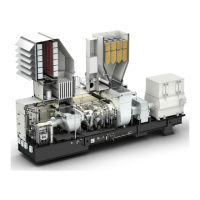



 To Next Page