•
Continuous communication between sensors/actuators and the CPU
–
Access to all process data, diagnostic data and device information
–
Access to device-specific data, such as energy data
–
Remote diagnostics can be performed
•
Continuous diagnostic information down to sensor/actuator level
–
Reduction in troubleshooting effort
–
Minimizing risk of failure
–
Preventive maintenance and optimization of service and maintenance planning
•
Dynamic change of sensor/actuators parameters by the controller or the operator at the
HMI
–
Reduction in downtimes during product change
–
Increased variability of the machine
•
Automatic reassignment of parameters when devices are replaced during operation
–
Minimization of downtimes
–
Device replacement by untrained personnel without additional aids
–
Avoidance of incorrect settings
•
Integrated device identification
–
Identification of the installed devices
–
Ensure quality of result in production and manufacturing when replacing the device
2.2 Overview of IO-Link system
Components
An IO-Link system consists of the following components:
•
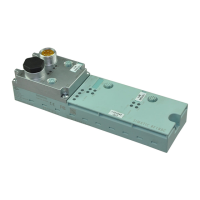
IO-Link master
•
IO-Link device, for example:
–
Sensors/actuators
–
RFID readers
–
I/O modules
–
Valves
•
Unshielded 3-wire or 5-wire standard cables
•
Engineering tool for configuring and assigning parameters of IO-Link
9
System overview
2.2 Overview of IO-Link system
IO-Link system
Function Manual, 07/2022, A5E31637677-AC



 To Next Page