This document serves as the user manual for a Simpson Pressure Washer, providing comprehensive instructions for its safe operation, maintenance, and storage. The manual emphasizes the importance of reading it carefully before operating the device to prevent property damage, serious injury, or death.
Function Description
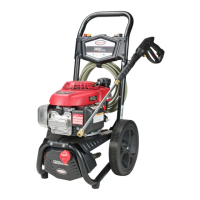
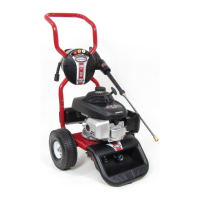
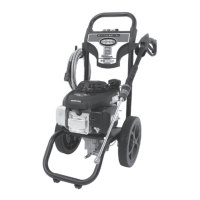
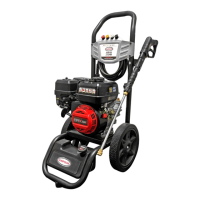
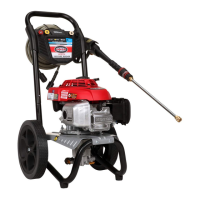
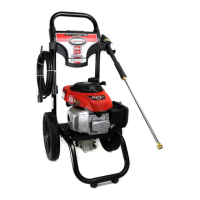
The Simpson Pressure Washer is designed for cleaning various surfaces using high-pressure water. It is a versatile tool capable of tackling a range of cleaning tasks, from light-duty household chores to more demanding outdoor projects. The device utilizes a pump to generate high-pressure water, which is then directed through a spray gun and various nozzles to achieve different cleaning patterns and intensities. The manual highlights the importance of using the correct nozzle for each task to ensure effective cleaning and prevent damage to surfaces.
Important Technical Specifications
While specific model numbers and detailed technical specifications like engine type, horsepower, or GPM (gallons per minute) are not explicitly listed in the provided excerpts, the manual does reference several key operational parameters and components:
- Water Supply: The pressure washer requires a clean, cold water supply at a minimum rate of 5 gallons per minute (GPM) and 20 pounds per square inch (PSI) of pressure.
- Ethanol Percentage: A "LOOK BEFORE YOU PUMP!" section on the cover page indicates a critical consideration regarding ethanol content in fuel. It advises against using fuel with >10% ethanol and recommends using fuel with 0-10% ethanol, with 15-30% and 30-85% being "OK" but with a "NO" for >85%. This strongly suggests the pressure washer is gasoline-powered and sensitive to ethanol content.
- PSI and GPM: The "OPERATION TIPS" section defines PSI as pounds per square inch, measuring water pressure or stripping power, and GPM as gallons per minute, measuring the flow rate of water. CU (Cleaning Units) is defined as PSI x GPM, representing the overall cleaning power.
- Engine Oil: The manual provides instructions for checking and filling engine oil, indicating the presence of a combustion engine. It also mentions a "LOW OIL SENSOR" and the importance of using the correct engine oil type.
- Fuel Tank: The device has a fuel tank, and the manual details procedures for checking fuel levels, refueling, and proper fuel storage. It warns against overfilling the fuel tank and discusses the use of gasoline additives and the risks associated with old gasoline and alcohol blends.
- Pump: The pump is a core component, and the manual includes sections on "PURGING AIR FROM THE PUMP" and "PUMP DAMAGE" warnings, emphasizing its importance and vulnerability to damage if not properly handled.
- Nozzles: The manual details various nozzle types (Red, Yellow, Green, White, Black/Soap) with different spray patterns (0°, 15°, 25°, 40°, Soap) and corresponding uses and surfaces. This indicates the ability to customize the spray for different cleaning tasks.
- High Altitude Operation: A dedicated section addresses operating the engine at altitudes above 5000 feet, requiring a high-altitude carburetor jet kit to ensure proper engine performance and emission control.
Usage Features
The manual outlines a step-by-step approach to using the pressure washer, from initial setup to operation and shutdown:
- Assembly: Instructions are provided for installing the button-style handle, assembling the spray gun, and organizing accessories.
- Connecting Hoses: Detailed steps are given for connecting the water supply hose (ensuring the inlet screen is free of debris) and the high-pressure hose to the pump and spray gun.
- Purging Air from the Pump: This critical step involves running water through the system to remove air before starting the engine, preventing pump damage.
- Using Chemicals: Instructions are provided for attaching the soap hose, placing it into a container of soap, and using chemicals for cleaning. It warns against using volatile, flammable, or corrosive liquids and never bleach.
- Operating Checklist: This section covers important safety considerations before operation, including checking for loose or damaged parts, proper ventilation, and awareness of carbon monoxide fumes.
- Starting the Engine: Step-by-step instructions for starting the engine, including turning the engine switch to ON, pulling the recoil slowly until resistance is felt, and then pulling rapidly to start. It also warns about "RAPID RETRACTION" of the recoil cord.
- Shutting Off the Engine: Instructions for safely turning off the engine, including setting the trigger lock, rotating the engine switch to OFF, turning off the water supply, releasing pressure in the spray gun, and allowing the engine to cool.
- Operation Tips: This section offers general advice on pressure washing techniques, such as maintaining distance from surfaces, avoiding spraying windows, and using appropriate cleaning solutions.
Maintenance Features
Regular maintenance is crucial for the longevity and performance of the Simpson Pressure Washer. The manual provides detailed guidance on various maintenance aspects:
- General Maintenance: The manual emphasizes the importance of checking for leaks, loose or damaged parts, and proper operation before each use. It recommends having repairs performed by an authorized service center.
- Cleaning the Pressure Washer: Instructions for cleaning the exterior of the pressure washer, including surfaces, vents, and cooling slots. It warns against using chemical cleaners that could damage the pressure washer seals and internal components.
- Nozzle Cleaning: Steps for cleaning clogged nozzles, including shutting off the pressure washer, turning off the water supply, setting the trigger lock, removing the nozzle, and clearing obstructions.
- Water Inlet Filter: Instructions for removing and cleaning the water inlet filter to prevent debris from entering the pump.
- Pump Maintenance: While not explicitly detailed in the provided excerpts, the manual mentions "Pump Maintenance" as a section, implying specific care instructions for the pump.
- Engine Maintenance: This includes checking engine oil levels, filling engine oil, and general maintenance of engine components. It also covers checking fuel and proper fuel storage.
- Storage and Transportation:
- Short-term Storage (Two Months or Less): Instructions for preparing the pressure washer for storage, including filling the fuel tank with a fuel stabilizer, running the engine to circulate the stabilizer, and relieving pressure in the spray gun.
- Long-term Storage (More Than Two Months): Additional steps for long-term storage, such as removing fuel from the tank and carburetor, draining fuel into an appropriate container, changing the engine oil, removing dirt and debris from the spark plug area, pouring new oil into the combustion chamber, installing the spark plug, draining the high-pressure hose, and protecting the pump with SIMPSON® Pump Guard.
- Transportation: Warnings about transporting the pressure washer in an enclosed space due to potential fire and explosion hazards. It advises turning off the engine control switch, preventing fuel spillage, and securing the pressure washer during transport.
- Using SIMPSON® Pump Guard: Detailed instructions for using SIMPSON® Pump Guard (purchased separately) to protect the pump during long-term storage and freezing weather. This involves screwing the adapter into the garden hose input, pressing down to allow water and Pump Guard to flow through, and then unscrewing the Pump Guard from the pump.
The manual also includes a "TROUBLESHOOTING" section to help users diagnose and resolve common issues such as the engine not starting, water leaking at the pump, pump or nozzle pulsates, oil leaking from the pump, and detergent not drawing. For each issue, possible causes and solutions are provided.
Overall, the Simpson Pressure Washer manual is a comprehensive guide designed to ensure the safe, efficient, and long-lasting operation of the device, with a strong emphasis on user safety and proper maintenance practices.

 Need help?
 General

 To Next Page