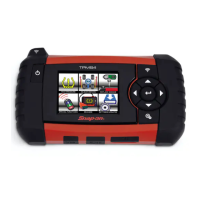
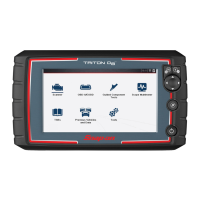
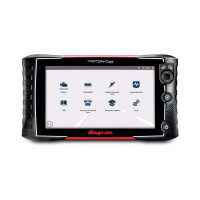
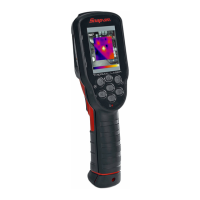
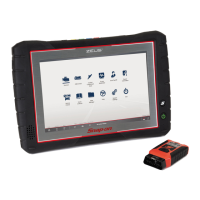
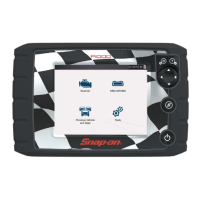
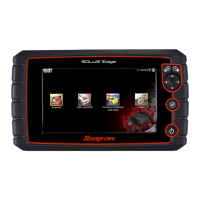
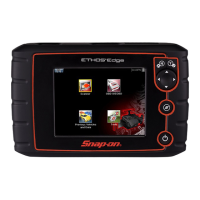
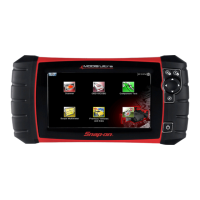
The Snap-on TPMS5 is a diagnostic tool designed for tire pressure monitoring systems (TPMS) in Domestic, Asian, and European vehicles. Its primary function is to diagnose sensors, capture sensor data, and perform relearns for TPM systems. The tool also supports programming aftermarket TPM sensors and offers various other TPMS-related functions.
Function Description:
The TPMS5 features an icon-based navigation system, making it easy to move between different functions. The main menu serves as a central hub, providing access to:
- TPMS Functions: This is the core functionality, allowing users to trigger sensors, perform tire rotations, relearn sensors, replace sensors, and access service kit information.
- Special Functions: Includes features like keyfob testing, placard adjustment, and verifying IDs/DTC codes.
- Update/Registration: For keeping the tool's software up-to-date and managing licenses.
- Settings: To customize tool preferences such as profile, date & time, language, and region.
- History: To review past diagnostic sessions.
- Training: Offers resources like a troubleshooter and demo mode to help users understand and utilize the tool effectively.
TPMS Functionality in Detail:
-
Trigger Sensor: This is the default function upon entering the TPMS menu. Users can trigger TPMS sensors by positioning the TPMS5 antenna on the tire's sidewall near the valve and pressing the Trigger button (either on the tool or by tapping the icon on the display). The tool then displays comprehensive TPMS information, including:
- Sensor ID: A unique identifier for each TPMS sensor, displayable in Hexadecimal or decimal format.
- Pressure: Tire pressure, displayable in PSI, Bar, or kPa.
- Temperature: Tire temperature, displayable in Fahrenheit or Celsius.
- Frequency: Sensor frequency (e.g., 315 MHz for many Domestic vehicles, 433 MHz for many Asian and European vehicles).
- Battery: Sensor battery status ("OK" for sufficient, "NOK" for low).
- G-force: Accelerometer data if applicable to the sensor.
- Notes: Allows users to enter custom notes for each sensor.
-
Rotate: Used when performing a tire rotation that requires a TPMS relearn. The tool provides specific instructions, including any special pressure or tire adjustments needed before the relearn. It offers both "Manual" and "OBDII" options for relearn procedures.
-
Relearn: Essential when replacing a sensor or altering sensor locations. This function guides users through the necessary steps to put a vehicle into "learn" mode and relearn sensors to the ECU. If applicable, an OBDII relearn can be performed using the included OBDII Cable. The TPMS5 displays OBDII port locations and instructions for convenience. Manual relearn steps typically involve inflating tires, turning ignition on, pressing and holding keyfob buttons, and activating sensors with the tool. OBDII relearn steps involve reading sensor IDs, connecting to the OBDII port, resetting the ECU, and driving the vehicle.
-
Replace: This function is used for programming aftermarket TPMS sensors, viewing OEM sensor part numbers, and displaying images of various sensors.
- Create: Allows programming a brand new sensor ID to an aftermarket TPMS sensor. Users select the sensor brand, then "Create." They place the sensor above the tool's antenna and tap "Program" or use the Trigger button. The tool then programs the sensor and displays the new sensor's ID, pressure, and temperature.
- Copy: (Not detailed in the provided pages, but implied by the "Copy" icon).
- Set: (Not detailed in the provided pages, but implied by the "Set" icon).
- Retrieve ID: (Not detailed in the provided pages, but implied by the "Retrieve ID" icon).
- Manual ID: (Not detailed in the provided pages, but implied by the "Manual ID" icon).
- History: (Not detailed in the provided pages, but implied by the "History" icon).
The "Replace" function also shows compatible part numbers for various aftermarket sensor brands (e.g., Alligator Sens.it, DILL 5001, ECH/NAPA OE-Design, Huf ECS, MOBILETRON Combi, Direct Fit, ECH NAPA QWIK, Huf UVS, MOBILETRON Universal, BWD/STANDARD QWIK, Dynamic Pro-Select, MAX T.O.T.AL, Orange DirectFit). For OEM sensors, it displays the OE Part #, frequency, and instructions like "Install sensor into wheel as is and perform relearn. No programming required."
Important Technical Specifications:
- Input Rating: DC5V, 1A
- Operating Temperature Range: -10°C ~ 50°C (14°F ~ 122°F)
- Storage Temperature Range: -20°C ~ 60°C (-4°F ~ 140°F)
- Operating Humidity: 20 ~ 85 % RH, NON-CONDENSING
- Storage Humidity: 5 ~ 95 % RH, NON-CONDENSING
- IP Rating: IP54 (Dust-Protected and protected against splashing water)
- Battery: Lithium Battery (3.8 V, 4.8 A, 18.24 Wh)
- Wireless Operation: Restricted to indoor use only when operating in the 5150 to 5350 MHz frequency range.
- FCC ID: 2ANR7-TPMS5
- SAR Limit: 1.6W/kg
Usage Features:
- OBD-II Connectivity: Includes an OBD-II cable to write sensor IDs to the ECU as required for certain relearn procedures and placard adjustments. The tool displays OBD-II vehicle port locations for ease of use.
- Vehicle-Specific Prompts: Guides users through TPM system relearns with specific instructions for each vehicle.
- Aftermarket Sensor Programming: Software to program various aftermarket TPM sensors.
- Touch Screen Display: For intuitive navigation and data display.
- Directional Buttons: For additional navigation control.
- Trigger Button: Located on top of the tool for easy sensor activation.
- USB Type C Port: For connectivity.
- AC/DC Power Adapter: For charging.
- Soft Carry Case: For protection and portability.
- USB Drive with Manual: Provides access to the user manual.
Maintenance Features:
- Cleaning: Clean with a soft dry cloth or a soft damp cloth with clean water. Avoid harsh chemical solvents (acetone, thinner, brake cleaner, alcohol) as they may damage the plastic surface.
- Battery Care: Charge battery pack only with the provided charger. Do not operate at temperatures above 120°F (50°C) or store above 140°F (60°C). Do not discard used batteries; return them to a Snap-on repair center for recycling.
- Software Updates: The tool supports updates to ensure it has the latest vehicle coverage and functionalities.
- Warranty/Service and Repair: Information regarding warranty, service, and repair procedures is available in Chapter 4 of the manual.
Safety Precautions:
- Electrical Shock, Fire, and Explosion Risk: Use caution when connecting/disconnecting leads. Locate diagnostic equipment 18" or more above floor level. Avoid sparks and ignition sources.
- Hazardous Conditions: Improper use can cause unexpected electrical, thermal, or mechanical occurrences. Read and follow all safety precautions.
- Eye Protection: Wear safety goggles.
- Pacemaker Interference: Electromagnetic waves may interfere with pacemakers. Individuals with pacemakers should not use this product.
- Battery Hazards: Internal battery presents a risk of fire, explosion, and electric shock.
- FCC Compliance: The device complies with Part 15 of FCC Rules, ensuring it does not cause harmful interference and accepts received interference. It also complies with FCC RF radiation exposure limits.
- Indoor Use Restriction: The device is restricted to indoor use only when operating in the 5150 to 5350 MHz frequency range.

 Need help?
 General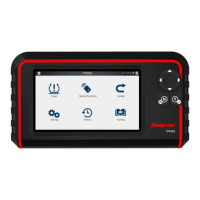

 To Next Page