Page 12 of 23 Guide for Installation and use of Southwire C
7
Overhead Conductor
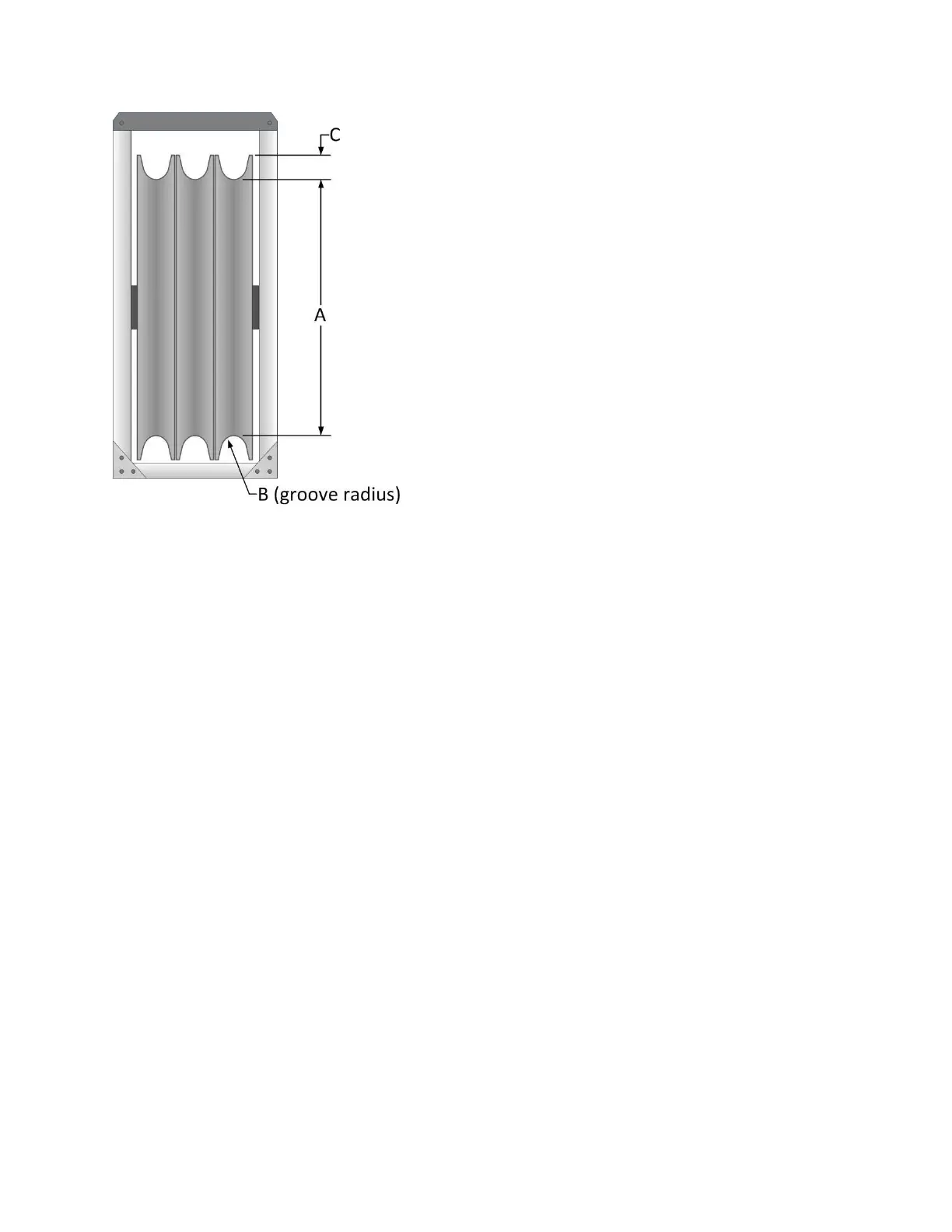
Figure 13: Measurements for stringing sheave.
Sheaves should be lined with neoprene or polypropylene to increase bearing area and protect
against scratching of the conductor. Sheaves must be free-wheeling. Rough handling of sheaves
can result in inadequate performance, so make sure all sheaves are in proper working order
before use.
Running Grounds
Running grounds should be installed along two points in the pull—one between the reel stand
or tensioner and first structure, and the other between the puller and last structure. Running
grounds should be bonded to the established ground and free-wheeling. They should not be
over tightened, as this could cause surface abrasion or birdcaging. Also note the caution about
using a rope to pull the conductor down for installation of grounds.
Conductor Stringing and Sagging
To avoid damaging the conductor, tension stringing is recommended. The maximum
recommended pulling tension during the stringing operation should not exceed that necessary
to maintain clearances above obstructions on the ground or safety structures. Recommended
stringing tensions are between 5-10% of the rated breaking strength of the conductor and must
never exceed 50% of sagging tensions. Recommended pull speeds are between 2 to 5 mph (5-8
kilometers per hour).
Any conductor that is to be left in the sheaves for an extended period of time can be damaged.
Since it is not secured, weather and other factors can cause slack to move from sheltered span



 To Next Page