SQlab | SPORTS ERGONOMICS | 3OX, 3OX CARBON, 3OX LTD. CAMO, 3OX FABIO WIBMER, 3OX TRIAL FABIO WIBMER AND 311 FL-X CARBON | EDITION US 2021-01 | Page 12
Assembly of the add-on components
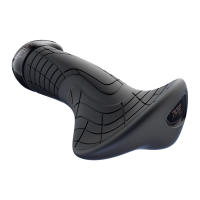
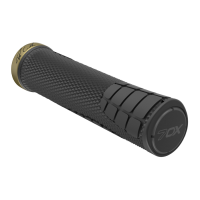
Now mount the missing components on the handlebars (e.g. speedometer, grips and Innerbarends). To keep the bolt forces low while
still avoiding twisting of the components, use the supplied assembly paste when mounting the brake and shi levers, Innerbarends (if
present) and grips.
Warning
The tightening torque of the clamping screws on the stem depends on the stem mod-
el. However, do not use a stem in which the tightening torque of the screws on the
handlebar clamp according to the manufacturer is greater than 8Nm. Exceeding the
tightening torque can lead to bre cracks or pinching, which can cause a handlebar
failure that could cause a fall.
Hinweis
Note
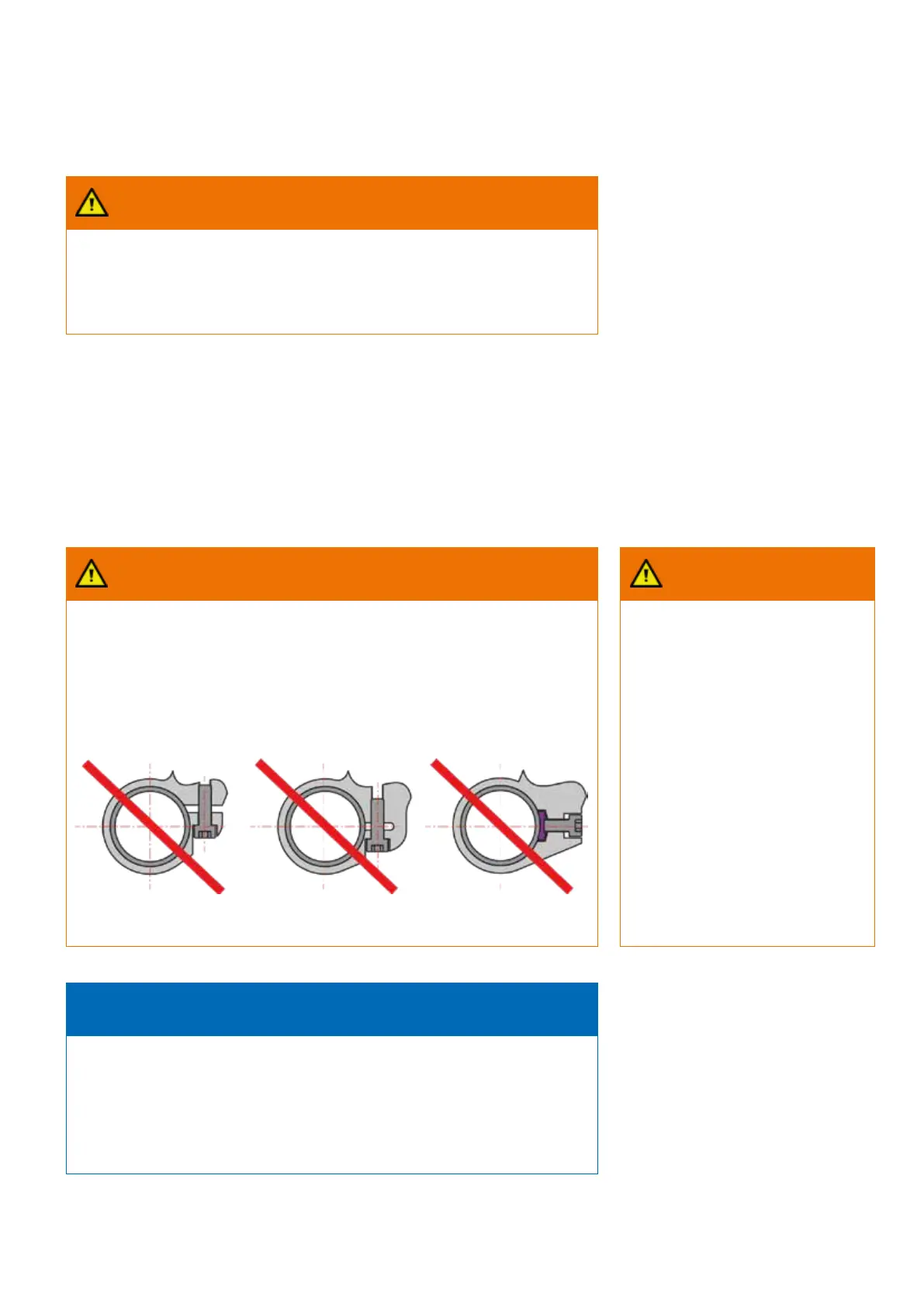
Explicitly allowed are innerbarends made of plastic or carbon bre, which are placed
between brake lever and the grips. For example the SQlab Innerbareds 410/402, 411
and 411 R Carbon. Not allowed are innerbarends with a clamp made of aluminium.
Aer 20-50 km and then at least four times a year, check the tightening torque of the
clamping screws and tighten them if necessary. When checking, make sure not to
exceed the maximum tightening torque.
Warning
Sharp-edged, unfavourably designed
and badly placed components, as well
as those which are to be mounted on
the handlebars with a bolt tightening
force greater than 6 Nm, can cause -
bre cracks, notches and constrictions.
• Never install components that are
clamped in the bends of the handle-
bars.
• Do not install bar ends that are
mounted outside the handlebar
grips or inside the brake levers.
• Refrain from mounting such compo-
nents
Warning
Unfavourably designed clamping mechanisms of some add-on components are not
compatible with our carbon handlebars. Despite compliance with the screw tighten-
ing forces, bre tears and de-laminations may occur. Never use components with the
following characteristics:
• Asymmetrical clamping slot
• Internal clamping slot
• Segment clamping
Fig.: Asymmetrical clamping, closed clamping rings with internal clamping slot and segment
clamping.


 To Next Page