Introduction
Page 10
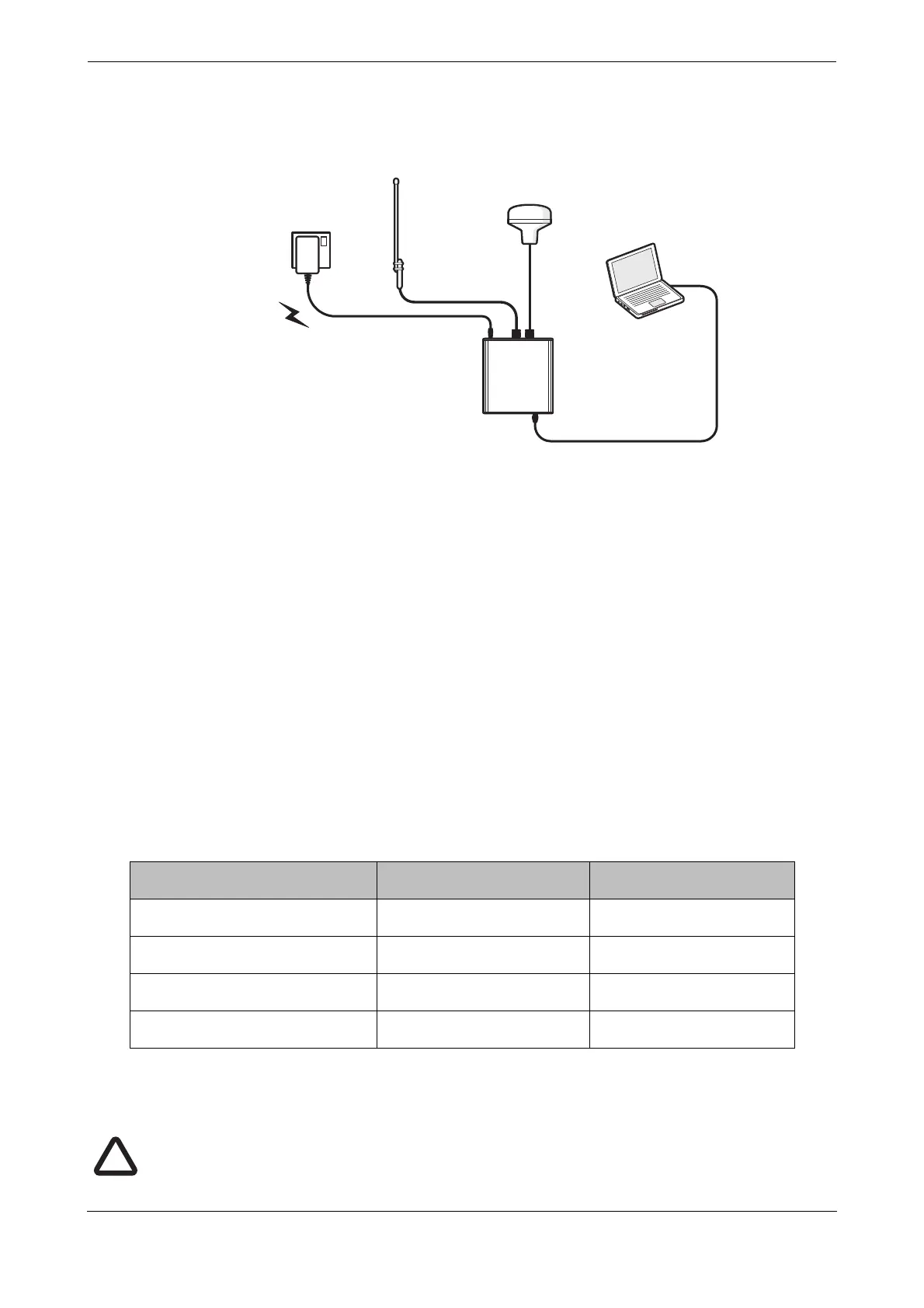
Figure 4 Coast Station installation for connection to a local viewer/database via USB
3.3 Coast Station modes of operation
The Coast Station can operate as either an AIS receiver or an AIS AtoN. The Coast Station will operate as an
AIS receiver by default and will receive and process all received AIS messages. When the Coast Station is
configured as an AIS AtoN it can not only receive AIS messages, but also transmit AIS AtoN messages. Please
refer to section
7 for further details of how to configure the Coast Station as an AIS AtoN.
3.4 Internal data logging
The Coast Station includes internal data logging capability for received AIS messages with up to 32GB
capacity. Internal data logging will continue if network connectivity to the Coast Station is lost. Logged data can
be uploaded from the Coast Station on request when network connectivity is restored. See section
6 for details
of commands used to query and upload logged data. Note that upload of logged data requires that the Coast
Station is configured for TCP connection (as described in section
5.3).
Utilisation of the internal storage capacity will depend on the level of AIS traffic in the area where the Coast
Station is deployed. A rough estimate of the log capacity can be determined from the number of AIS messages
received per minute:
For reference a single receiver station in Singapore harbour generates approximately 8MB of data per hour or
192MB per day, giving an expected log capacity of approximately 166 days.
AIS messages received/minute approximate daily log size approximate log capacity
100 messages/minute
≈11MB/day
≈2900 days
1000 messages/minute ≈112MB/day ≈285 days
2000 messages/minute ≈225MB/day ≈142 days
4000 messages/minute ≈450MB/day ≈71 days
USB cable
VHF antenna
GPS antenna
AIS Coast
Station
Mains
power
PC
The data log operates on a 'rolling' basis. Once internal data log storage is full the oldest
logged data will be erased to allow storage of new data.



 To Next Page