Preparation
Prior to leaving on your first outing (or, for that
matter, any outing) there are certain items to check
and activities to perform. Familiarise yourself with
the boat before launching and consider the following
suggestions:
Recommendations For Safety
Personal Flotation Devices: One approved Personal
Flotation Device (PFD) of suitable size is required for
each person aboard the boat. Always ensure children
wear PFDs. Always check devices intended for young
children for fit and performance in the water. Never
hesitate to have all persons wear lifesaving devices
whenever circumstances cause the slightest doubt
about safety or where local boating regulations
stipulate their use.
Underfloor Flotation: please be aware the
polystyrene underfloor flotation material used in your
boat is susceptible to degradation upon contact
with petrol. Flotation material should therefore be
checked regularly to assess its condition.
Do not overload or improperly load your boat.
Maintain a clear walking area/freeboard at all times.
Consider the sea conditions, the duration of the trip,
the weather and the experience of the personnel on
board. Do not allow any person to ride on parts of
the boat not designed for such use. Sitting up on
seat backs, bow riding (with the exception of boats
that have been specifically designed to safely carry
passengers in the bow section) and gunwale riding
while underway can be especially hazardous. Raised
casting platform seating positions are for use at
rest, not whilst under-way.
Understand the meanings of navigation buoys and
never moor to one.
Be aware of the various distress signals. Slowly
raising arms up and down in a boat is a recognised
distress signal.
Monitor weather forecasts before leaving and during
your trip.
Be especially attentive in areas where swimmers or
divers may be operating.
Watch your wake. It might capsize a small craft. You
are responsible for damage caused by your wake.
Pass through anchorages at a minimum speed and
observe speed limits where applicable.
Learn and abide by common boating “rules of the
water.”
Before commencing on an extensive cruise, have
current charts of the cruising area on board.
Keep an alert lookout. Serious accidents have
resulted from failure in this respect.
Always instruct at least one person on board in the
fundamentals of boat handling, should you become
disabled or fall overboard.
Consider what action you would take under various
emergency conditions such as a person overboard,
fog, fire, a damaged hull or other bad leaks, motor
breakdown, severe storm or collision.
Your boat is not intended to act as a flotation
device if capsized.
Should the boat ever capsize or a similar catastrophic
event occur, the underfloor flotation installed may be
compromised either by exposure to petrol, or through
damage to the structure of the boat.
It is therefore imperative that appropriate safety gear
is utilised whenever circumstances give rise to the
slightest doubt about occupants’ safety.
It is also strongly recommended you remain with
your boat should any such event arise, since you are
more easily located by search plane or boat.
Keep lifesaving and fire fighting equipment in good
condition and readily available at all times. Monitor
expiry dates also.
Have an adequate anchor and sufficient line (at
least three to six times the depth of the water) to
guarantee a secure hold in all types of weather and
sea conditions.
Know your fuel tank capacity and cruising range.
Your cruising range can be affected by many things,
including weather conditions, tidal conditions,
mechanical condition of your boat/motor and loading
of your boat. If it is necessary to carry additional
fuel, do so only in containers approved to carry fuel
(per required regulations). It is good practice to allow
a 50% margin over and above estimated fuel use.
Before departing on a boat trip, advise a responsible
friend or relative of your intended route. Be sure to
give that person a good description of your boat.
Keep them advised of any changes in your cruise
plans. These precautions will enable them to tell
rescue organisations where to search and the type
of boat to look for, if you fail to return. Be sure to
inform that person upon return to prevent any false
alarms about your safety.
Owner’s Manual 5
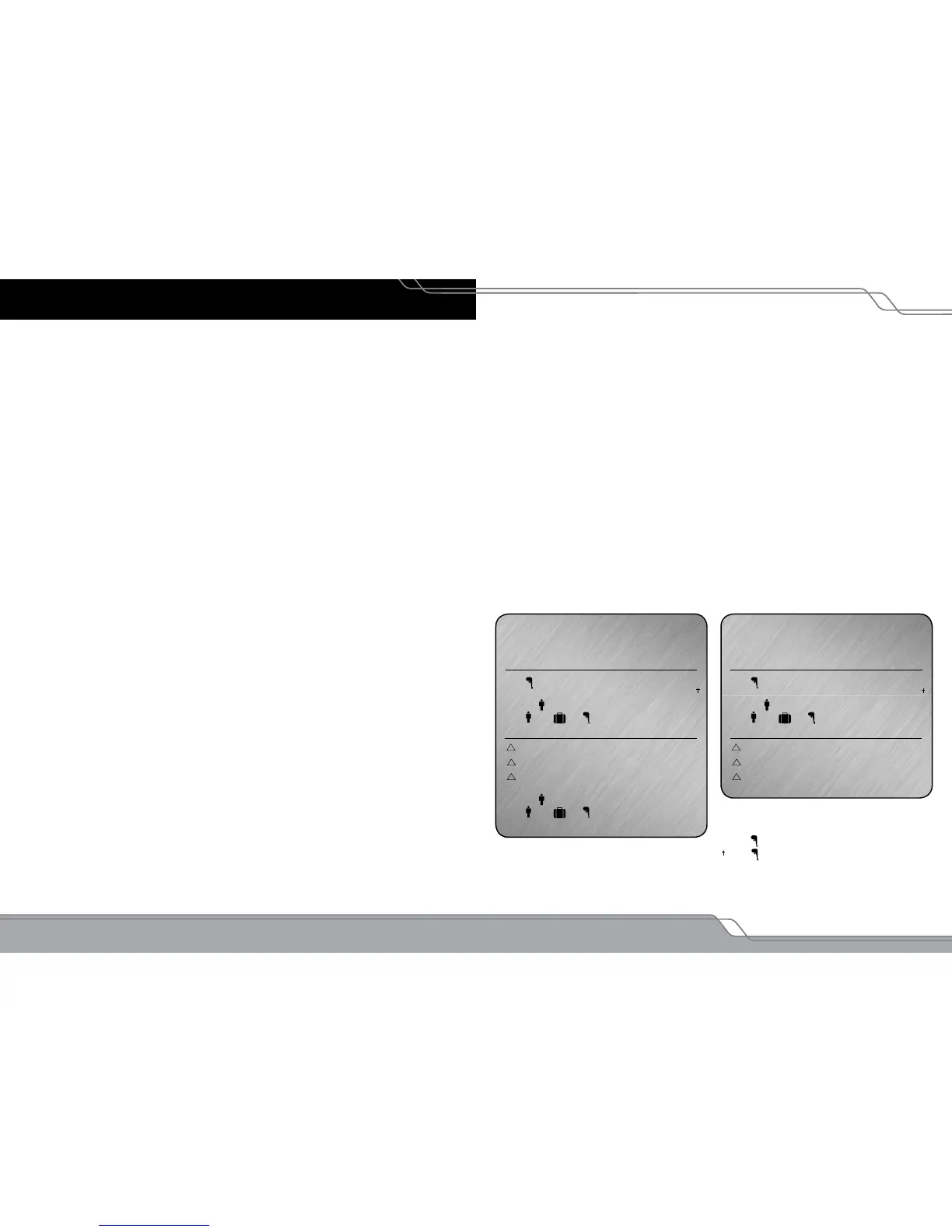
Australian Builders Plate
Max (s) = 25hp
= 90kg
Max 4 = 300kg
Max + + = 450kg
Bouyancy BASIC FLOTATION
Alteration of the boats hull or permanent ttings may
invalidate the particulars on this plate.
A reduction in capacity must be taken into consideration
when used in adverse conditions.
An additional safety feature of Level otation is tting to
this vessel for the following capacity:
HIN Number AUTRX-12345A606
Information Determined - ABYC Standards
The following is a sample plate of boats built with
basic flotation.
Mandatory Equipment
All states have a list of mandatory safety equipment
that must be carried on board at all times. There
are different requirements for inshore and offshore
operations with variations from region to region.
Many dealers package the basic safety kit with the
boat at the time of sale, be sure to obtain a copy of
your state regulations to ensure you have everything
required.
Look after safety equipment, store it carefully
in the boat and regularly check it is all in good
condition, especially life jackets, flares and other
safety devices. Be sure to read the accompanying
instructions and ensure you clearly understand how
to use everything - particularly life jackets.
If you plan to carry children on board, check the life
jackets are suitable for their size and weight. You
may need to exchange jackets from the standard
package to ensure the children have a style and size
appropriate to their needs.
The following is a representation of the Australian
Builders Plate. Please familiarise yourself with the
plate in your boat.
Basic Flotation
The boat will not sink with the passengers clinging
to the side. ABYC H-5 calculates the required
buoyancy for the boat to float with the hull, deck
and superstructure submerged, supporting 25% of
the load capacity and a proportion of the engines.
Please note that the vessel can be in any attitude as
long as it floats within 6 inches from the surface.
Level Flotation
The boat will remain upright when swamped, with
passengers in the boat, in calm water. The boat is
not self righting. ABYC H-5 places the buoyancy in
proportion to the weight of the components, and
their location in the boat.
The following is a sample plate of boats built with
level flotation.
4 Owner’s Manual 5



 To Next Page