Need help?
Do you have a question about the Supero X10SLL-F and is the answer not in the manual?
Details the motherboard's capabilities, features, and intended use for system integrators and technicians.
Outlines the structure and content of each chapter and appendix in the user manual.
Explains the meaning of symbols, warnings, and important notes used throughout the document.
Introduces the motherboard, lists retail box contents, and provides support resource links.
Describes the Intel C224/C222 Express Chipset features and specifications for the motherboard.
Highlights key functionalities like AC Power Loss recovery and system resource alerts.
Explains system monitoring for voltages, CPU temperature, and fan status.
Details the Advanced Configuration and Power Interface (ACPI) for system power management.
Specifies requirements and recommendations for the system's power supply unit for stable operation.
Lists warnings for bodily injury, battery handling, and product disposal.
Provides precautions for handling static-sensitive components to prevent damage.
Step-by-step instructions for installing the CPU and its heatsink on the motherboard.
Guides the user through installing DDR3 DIMM modules into the motherboard slots.
Instructions on mounting the motherboard securely within the computer chassis.
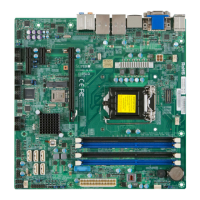
Identifies and describes onboard connectors and rear I/O ports.
Outlines systematic procedures to diagnose and resolve common system issues before power-on.
Guides users on preparing for and contacting technical support for unresolved issues.
Addresses common user questions regarding memory support, BIOS updates, and error messages.
Provides instructions for safely removing and installing the motherboard's CMOS battery.
Introduces the AMI BIOS Setup Utility and its basic navigation features.
Describes the initial Main setup screen, system information, and basic BIOS settings.
Details various advanced configuration options available within the BIOS setup utility.
Explains how to manage and view SMBIOS and System Event Logs (SEL).
Covers configurations related to boot device priority and startup options.
Details options for setting administrator and user passwords to secure BIOS access.
Explains how to save changes, restore defaults, and exit the BIOS setup utility.
Lists beep codes and corresponding error messages for diagnosing POST failures.
Provides instructions for downloading and installing system drivers and utilities from Supermicro.
Guides the user on configuring SuperDoctor III for system monitoring and remote management.
Provides a general introduction to the Unified Extensible Firmware Interface (UEFI) concept.
Explains the structure of the UEFI BIOS and the process for recovering the main BIOS image.
Step-by-step guide for recovering the main BIOS using a USB-attached device.
Introduces the Dual Boot Block feature as a last-ditch mechanism for BIOS recovery.
Details the procedure for using Jumper JBR1 to recover the system's BIOS boot block.
 General
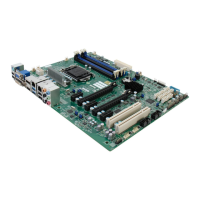
| Form Factor | ATX |
|---|---|
| CPU Socket | LGA 1150 |
| Chipset | Intel C222 |
| Max Memory | 32GB |
| Video Output | VGA |
| CPU | Intel Xeon E3-1200 v3, 4th Gen Intel Core i3/Pentium/Celeron |
| Memory Slots | 4 |
| Memory Speed | 1600 MHz |
| Memory Type | ECC/non-ECC Unbuffered DDR3 |
| USB Ports | 4 x USB 3.0 |
| LAN | Intel i210AT + Intel i217LM, 2x Gigabit Ethernet |
| Audio | Realtek ALC887 |


 To Next Page