EasyManua.ls Logo

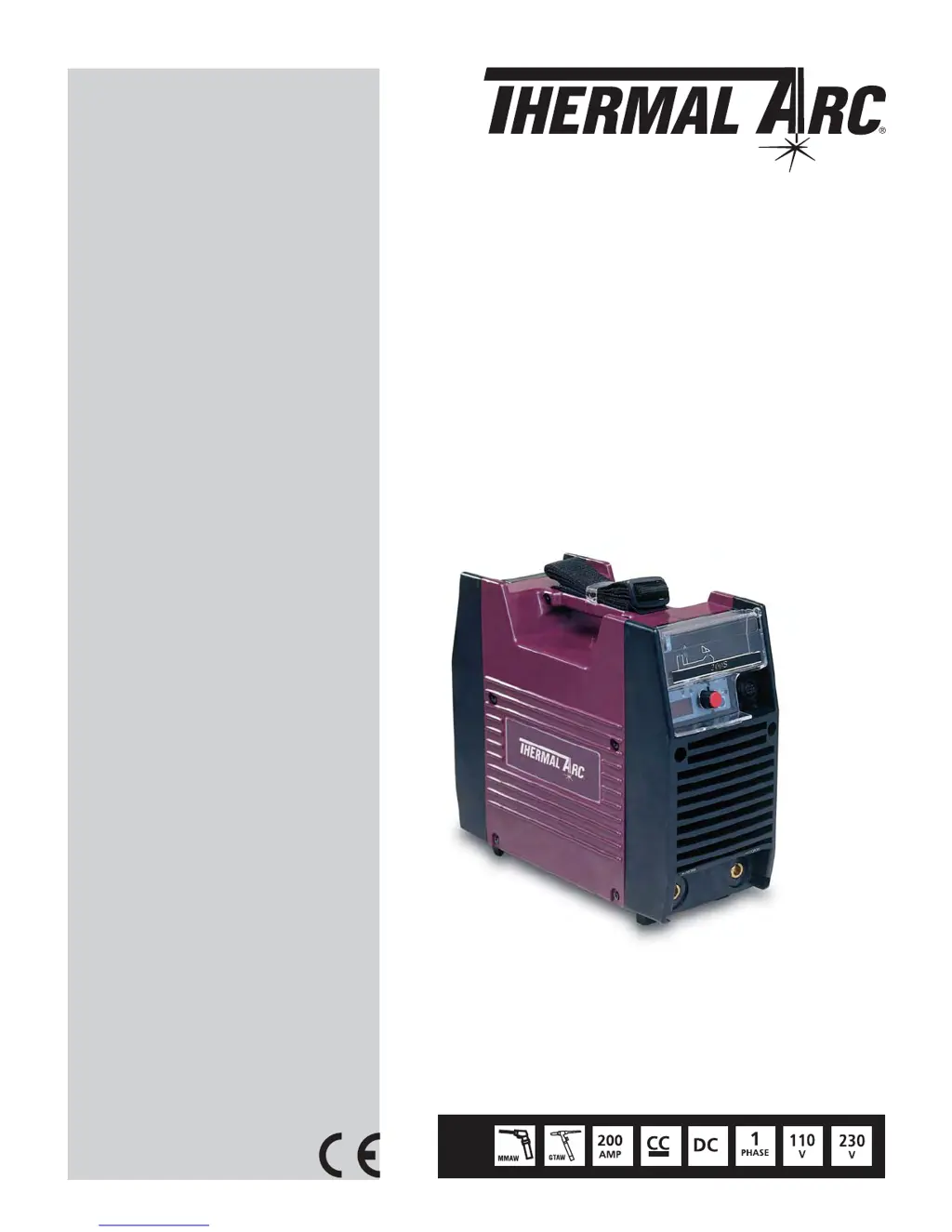
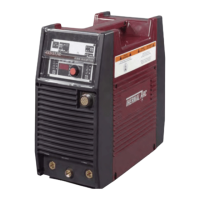
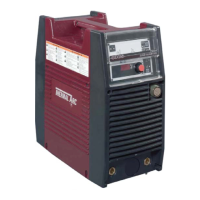
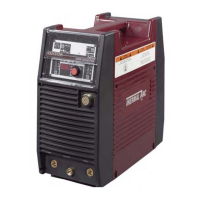
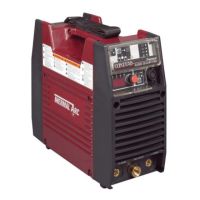
Thermal Arc ARCMASTER 200 S - User Manual

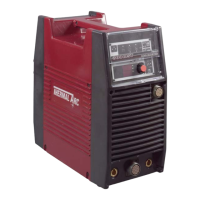
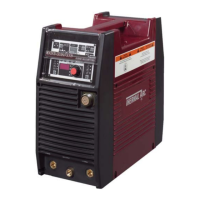
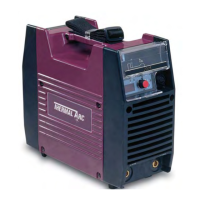
Thermal Arc ARCMASTER 200 S
88 pages
Print Icon
To Next Page IconTo Next Page
Loading...
Version No: AA.01 Issue Date: May 22, 2006 Manual No.: 0-4940B
Operating Features:
200 S
Service Manual
INVERTER ARC WELDER
Art # A-06795
ARCMASTER
®

Table of Contents

Questions and Answers

  • M
    Mr. William HarrisAug 15, 2025
    What to do if the electrode melts or oxidizes when an arc is struck on my Thermal Arc Welding System?
    • E
      Erica GarnerAug 15, 2025
      If the electrode melts or oxidizes when an arc is struck while using your Thermal Arc Welding System, it could be due to several reasons. It might be because there's no gas flowing to the welding region, the torch is clogged, the gas hose is cut, the gas passage contains impurities, the gas regulator or torch valve is off, the electrode is too small, or the WAVE BALANCE is set too high. To address this, check the gas lines and cylinder, clean the torch, replace the gas hose if needed, blow out impurities from the gas passage, turn on the gas regulator and torch valve, increase the electrode diameter or reduce the welding current, and reduce the WAVE BALANCE to below 50% or increase the electrode size.
  • M
    millsvincentAug 18, 2025
    What to do if portions of the weld run do not fuse to the surface of the metal or edge of the joint with my Thermal Arc ARCMASTER 200 S?
    • M
      Matthew TuckerAug 18, 2025
      If you're experiencing portions of the weld run that aren't fusing to the metal surface or joint edge when using your Thermal Arc Welding System, it could stem from several causes. You might be using small electrodes on heavy, cold plate, the welding current might be too low, the electrode angle could be incorrect, the travel speed might be too high, or there could be scale or dirt on the joint surface. To fix this, use larger electrodes and pre-heat the plate, increase the welding current, adjust the electrode angle to direct the arc into the base metal, reduce the travel speed, and clean the surface before welding.
  • S
    Stacy MurphyAug 21, 2025
    Why does the electrode melt when the arc is struck on my Thermal Arc ARCMASTER 200 S?
    • D
      Drew JonesAug 21, 2025
      If the electrode melts when the arc is struck while using the Thermal Arc Welding System, it could be because the electrode is connected to the '+' terminal or the WAVE BALANCE is greater than 50%. To resolve this, connect the electrode to the '-' terminal and reduce the WAVE BALANCE to below 50% or increase the electrode size.
  • L
    lauren24Aug 25, 2025
    What to do if I have a dirty weld pool when using my Thermal Arc ARCMASTER 200 S Welding System?
    • T
      Tracey HickmanAug 26, 2025
      If you're getting a dirty weld pool with your Thermal Arc Welding System, it could be due to a contaminated electrode or gas. The electrode may be contaminated from contact with the work piece or filler rod material, or the gas may be contaminated with air. To fix this, clean the electrode by grinding off the contaminants and check the gas lines for cuts and loose fittings, or change the gas cylinder.
  • H
    hrobertsAug 28, 2025
    What to do if welding arc can not be established on Thermal Arc Welding System?
    • K
      Kevin LindseyAug 28, 2025
      If the welding arc cannot be established with your Thermal Arc Welding System, it could be due to a few reasons: the work clamp isn't connected, the torch lead is disconnected, or the gas flow is incorrectly set. Make sure the work clamp is connected to the work piece, connect the torch lead to the '-' terminal, and select the correct gas flow rate, change the cylinder, or turn the torch valve on.
  • B
    bduranAug 31, 2025
    How to improve poor weld finish on Thermal Arc ARCMASTER 200 S?
    • S
      Samantha HarmonSep 1, 2025
      If you're getting a poor weld finish with your Thermal Arc Welding System, it's likely due to inadequate shielding gas. Increase the gas flow or check the gas line for any problems affecting gas flow.
  • M
    melanieperezSep 3, 2025
    Why is the arc start not smooth on my Thermal Arc ARCMASTER 200 S Welding System?
    • L
      Leah HoweSep 3, 2025
      If your arc start isn't smooth with your Thermal Arc Welding System, it could be due to several factors: the tungsten electrode is too large, the wrong electrode is being used, the gas flow rate is too high, the wrong shielding gas is being used, or there's a poor work clamp connection. Select the right size and type of electrode, adjust the gas flow rate, use the correct shielding gas, and improve the work clamp connection to resolve this. Refer to the Basic TIG Welding Guide for more information.
  • H
    Herbert ThomasSep 7, 2025
    How to fix uneven leg length in fillet joint on Thermal Arc ARCMASTER 200 S?
    • A
      April WallaceSep 7, 2025
      If you're experiencing uneven leg length in a fillet joint when using your Thermal Arc Welding System, it's likely due to incorrect placement of the filler rod. Try re-positioning the filler rod to correct this.
  • S
    Steven CarrollSep 12, 2025
    What causes slag inclusion in my Thermal Arc ARCMASTER 200 S Welding System?
    • F
      fuentessamanthaSep 12, 2025
      If you're noticing non-metallic particles trapped in the weld metal (slag inclusion) when using your Thermal Arc Welding System, it could be due to several factors: non-metallic particles trapped in undercut, restricted joint preparation, irregular deposits, lack of penetration, rust or mill scale, or using the wrong electrode. Clean the slag out, allow for adequate penetration, chip or grind out irregularities, use a smaller electrode with sufficient current, clean the joint, and use electrodes designed for the welding position.

Summary

Safety Instructions and Warnings

Arc Welding Hazards

Details dangers of electric shock, arc rays, fumes, and gases during welding operations.

Principal Safety Standards

Lists key safety standards and publications relevant to welding and cutting safety practices.

Introduction to the ArcMaster 200 S

How to Use This Manual

Guidance on reading the manual, understanding warnings, cautions, and notes for safe operation.

Installation Procedures

Environment and Location

Guidelines for operating the welder in various environmental conditions and placement recommendations.

Electrical Input Requirements

Specifies AC power supply requirements, connections, and plug types for proper operation.

Operator Controls and Parameters

ARC MASTER 200 S Controls

Identifies and explains the function of controls like the control knob and remote socket on the front panel.

Weld Parameter Descriptions

Explains parameters like Hot Start, Weld Current, and Arc Control for different welding modes.

Sequence of Operation

Stick and Lift TIG Welding Steps

Step-by-step procedures for setting up and performing stick and lift TIG welding.

Routine Maintenance

Troubleshooting Common Issues

TIG and Stick Welding Problems

Lists common welding issues, their possible causes, and remedies for TIG and Stick processes.

Voltage Reduction Device (VRD)

VRD Specifications and Operation

VRD specifications, maintenance, and how to switch it on/off for safety.

Power Source Error Codes

Advanced Troubleshooting

System-Level Fault Isolation

Steps for isolating faults within the power supply's internal subassemblies.

Verifying Error Codes

Procedures for verifying and resolving specific error codes displayed by the unit.

Maintenance Procedures

Subsystem Test and Replacement

Provides procedures for testing and replacing various subsystems within the power supply.

Service Tools and Parts List

Lists the tools and parts required for performing maintenance and repairs.

Appendices

Connection Wiring Guide

Provides diagrams and tables for connecting various components and PCBs.

Diode Testing Basics

Explains how to test diodes using a digital multimeter for fault diagnosis.

Limited Warranty

Thermal Arc ARCMASTER 200 S Specifications

General IconGeneral
BrandThermal Arc
ModelARCMASTER 200 S
CategoryWelding System
LanguageEnglish

Related product manuals