EasyManua.ls Logo

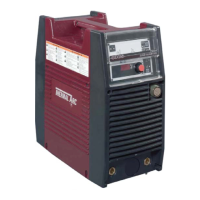
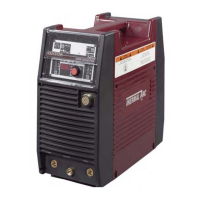
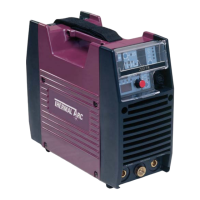
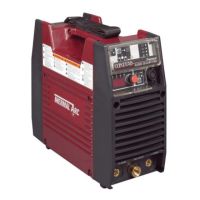
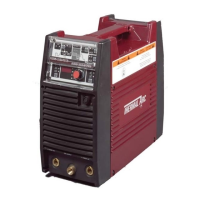
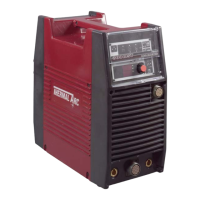
Thermal Arc ARCMASTER 300 MST - User Manual

Thermal Arc ARCMASTER 300 MST
66 pages
Print Icon
To Next Page IconTo Next Page
Loading...
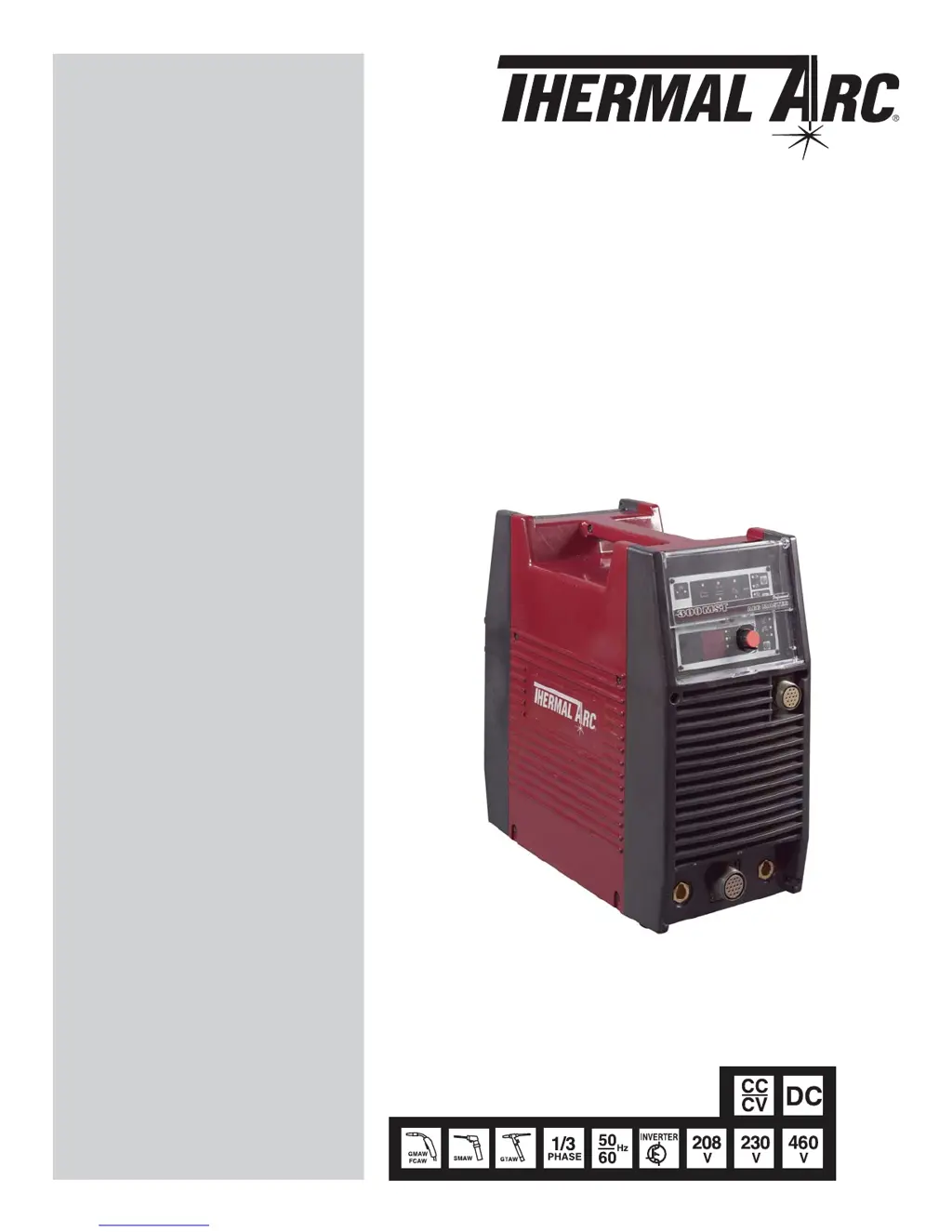
Operating Manual
ARCMASTER
®
Version No: 1 Issue Date: March 22, 2006 Manual No.: 0-4865
Operating Features:
INVERTER ARC WELDER
300 MST
Art # A-07367

Table of Contents

Questions and Answers

  • J
    Jessica KnappAug 6, 2025
    What to do if Thermal Arc ARCMASTER 300 MST Welding System has lack of penetration?
    • D
      Denise SandersAug 6, 2025
      If your Thermal Arc Welding System is showing a lack of penetration, consider these factors: * Welding current: If it’s too low, increase it by increasing the wire feed speed and the WELD (V) control. * Joint preparation: If the joint angle is too narrow or the gap is too tight, increase the joint angle or gap. * Shielding gas: If it’s incorrect, switch to a gas that provides higher penetration.
  • A
    Allison JohnsonAug 13, 2025
    How to prevent weld cracking in Thermal Arc ARCMASTER 300 MST?
    • S
      stephensjenniferAug 13, 2025
      If you're experiencing weld cracking with your Thermal Arc Welding System, consider the following: * Weld beads: If they are too small, decrease the travel speed. * Weld penetration: If it's narrow and deep, reduce current and voltage, increase MIG torch travel speed, or select a lower penetration shielding gas. * Weld stresses: If there are excessive weld stresses, increase weld metal strength or revise the design. * Voltage: If there is excessive voltage, decrease it by reducing the WELD (V) control. * Cooling rate: If it’s too fast, slow it down by preheating the part to be welded or allow it to cool slowly.
  • R
    Robyn EdwardsAug 18, 2025
    How to fix porosity in Thermal Arc Welding System?
    • K
      Karen SchroederAug 18, 2025
      To fix porosity in your Thermal Arc Welding System, take the following steps: * Ensure your gas cylinder isn't empty and the flow meter is correctly set to 25 cubic feet per hour. * Check for gas leaks from the regulator/cylinder connection to the gas hose at the wire feeder. * Make sure the hose from the solenoid valve to the MIG torch adapter isn't fractured and is properly connected. * Shield the welding area from wind or increase the gas flow. * Clean contaminants off the plate. * Keep the distance between the MIG torch nozzle and the workpiece minimal. * Ensure gas holes aren't blocked and gas exits the torch nozzle; prevent spatter buildup inside the nozzle and check the MIG torch O-rings for damage.
  • A
    Alan BowmanAug 25, 2025
    Why welding arc cannot be established in Thermal Arc ARCMASTER 300 MST?
    • R
      robert07Aug 26, 2025
      If a welding arc cannot be established in your Thermal Arc Welding System, check these items: * Work clamp: Ensure it's connected to the workpiece, and that the work/torch leads are connected to the correct welding terminals. * Torch lead: Connect it to the ‘?’ terminal if it is disconnected. * Gas flow: Select the correct flow rate, change cylinders if empty, or turn the torch valve ON.
  • L
    Laura JacksonOct 30, 2025
    Why is the wire feed inconsistent in my Thermal Arc Welding System?
    • R
      Robert TuckerOct 31, 2025
      If you're experiencing inconsistent wire feed with your Thermal Arc Welding System, here's what to check: 1. Wire spool brake: If it's too tight, the feed roller will slip; if it's too loose, the wire spool can unwind and tangle. 2. Feed roller: Worn or incorrect size can cause issues. Use the correct 'U', 'V', or 'knurled V' groove drive feed roller matched to your wire type (aluminum, steel, or flux cored, respectively). 3. Inlet/outlet guides: Misalignment can cause the wire to rub, reducing feedability. 4. Liner: Blockage from wire debris reduces wire feedability. This debris comes from excessive pressure on the pressure roller adjuster or using an incorrect feed roller groove. 5. Contact tip: An incorrect or worn contact tip may cause arcing, leading to wire jamming. Use a conta...

Summary

SAFETY INSTRUCTIONS AND WARNINGS

Arc Welding Hazards

Details hazards associated with arc welding, including electric shock.

Principal Safety Standards

Lists key safety standards and publications for welding.

INTRODUCTION AND DESCRIPTION

Description

Provides a general overview of the ARC MASTER 300 MST welder.

Electrical Input Connections

Instructions for connecting the welder to the power supply.

Specifications

Technical details and operating capabilities of the welding power source.

OPERATOR CONTROLS

ARC MASTER 300 MST Controls

Identifies and explains the main controls on the welder's front panel.

Weld Process Selection

Outlines how to select different welding modes (STICK, MIG, TIG).

SEQUENCE OF OPERATION

MIG Welding

Step-by-step guide for performing MIG welding operations.

Stick Welding

Step-by-step guide for performing stick welding operations.

LIFT TIG Welding

Step-by-step guide for performing lift TIG welding operations.

BASIC WELDING GUIDE

TIG Welding Parameters

Parameters for TIG welding low carbon and low alloy steel pipe.

Welding Parameters for Steel

DC TIG welding parameters for various steel thicknesses.

BASIC TROUBLESHOOTING

MIG Welding Problems

Lists common MIG welding problems, their causes, and remedies.

TIG Welding Problems

Lists common TIG welding problems, their causes, and remedies.

Stick Welding Problems

Lists common Stick welding problems, their causes, and remedies.

VOLTAGE REDUCTION DEVICE (VRD)

VRD Specification

Provides specifications for the Voltage Reduction Device.

Switching VRD ON;OFF

Instructions on how to enable or disable the VRD feature.

Power Source Error Codes

APPENDIX B - ARCMASTER 300 MST ACCESSORIES

LIMITED WARRANTY

GLOBAL CUSTOMER SERVICE CONTACT INFORMATION

World Headquarters

Contact details for the main corporate headquarters.

Thermal Arc ARCMASTER 300 MST Specifications

General IconGeneral
Input Frequency50/60 Hz
Output Current Range5-300 A
Duty Cycle60% at 300 A
Protection ClassIP23
Welding ProcessesTIG
Open Circuit Voltage70 V
Input Phase1-Phase/3-Phase
Rated Output300 A @ 32 VDC
Weight66 lbs (30 kg)

Related product manuals